With what looks like unstoppable growth for glufosinate, the industry is rapidly adding capacity and investing in R&D, while seeking to avoid the pitfalls of overuse.

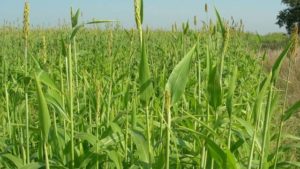
Getting a handle on grass species now rather than later is a crucial step toward ensuring clean fields and high yields remain a reality.
Herbicide can be used on cereals to provide broad-spectrum control of broadleaf weeds, with improved efficacy against kochia and built-in resistance management.
Acuron GT provides enhanced post-emergence control of yield-robbing weeds and longer-lasting residual in glyphosate-tolerant corn.
The company instead is shifting resources to support the Enlist weed control system.
Empyros, Empyros Triad, and Empyros Triad Flex recently received federal registration from the U.S. EPA.
The seventh annual Buying Intention survey provides insight into where dealerships are planning to spend their money in 2021.
Leading weed control experts weigh in on what’s makes an effective herbicide program in 2021.
IMIFLEX is the companion herbicide for igrowth, the first non-GMO herbicide-resistant technology for grain sorghum.
At the virtual Mid America CropLife Association (MACA) meeting, a pair of speakers warned the industry about what potentially lies ahead.
The HRAC/WSSA Group 2 post-emergent herbicides are for use on grain crops and include brands Peak, Spirit, Beacon, and Northstar.
Katagon is a next-generation HPPD premix herbicide for postemergence use in field corn.
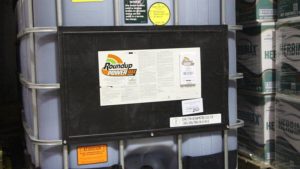
Despite progress towards some solutions in 2020, the dawning of 2021 promises to bring more negative news for glyphosate.
With Bayer still fighting to settle lawsuits in the courtroom, ag retailers ponder the future for the popular herbicide.
Antares Complete unites sulfentrazone, s-metolachlor, and metribuzin in a concentrated formulation that covers more acres than similar herbicides.
As ag looks to the 2021 season, controlling yield-robbing weeds has remained a key priority, especially with forces both in the field and from outside impacting the segment.
On October 27, EPA announced that over-the-top dicamba applications can take place during the 2021 growing season, with a few new requirements.
The not-unexpected move to re-register dicamba for over-the-top use on soybeans and cotton speaks volumes about the huge challenges facing U.S. agriculture.
The EPA has determined the long-time crop protection chemistry is “okay” to continue using.