In the Midwestern ag retail world, the last week of April and the first two weeks of May are akin to the weeks leading up to Tax Day for accountants. It’s not uncommon for guys down at the local dealership to put in consecutive 16, sometimes even 20, hour work days for a week at a time, with their only respite coming at the fall of rain. Precious, precious rain.
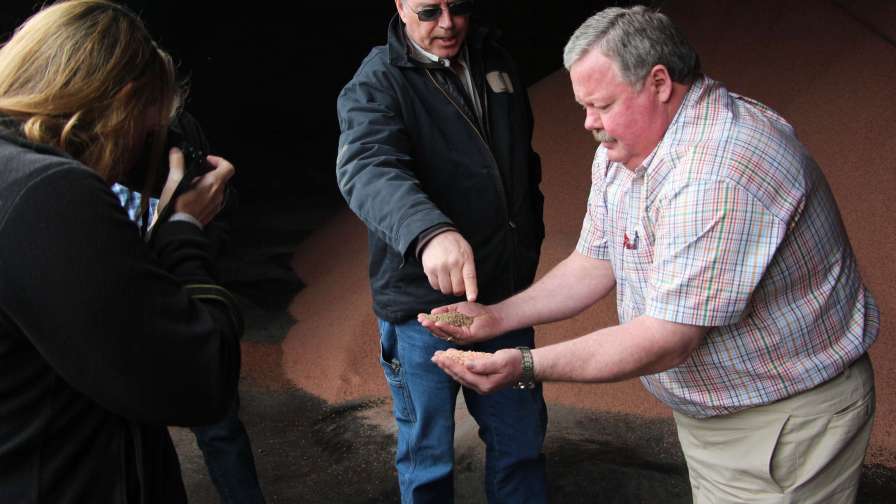
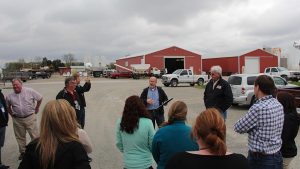
ASMARK Institute Executive Director Allen Summers (right) shows members of the group the difference between potash and urea at North Central Co-op in Rochester, IN, during the tour’s first day.
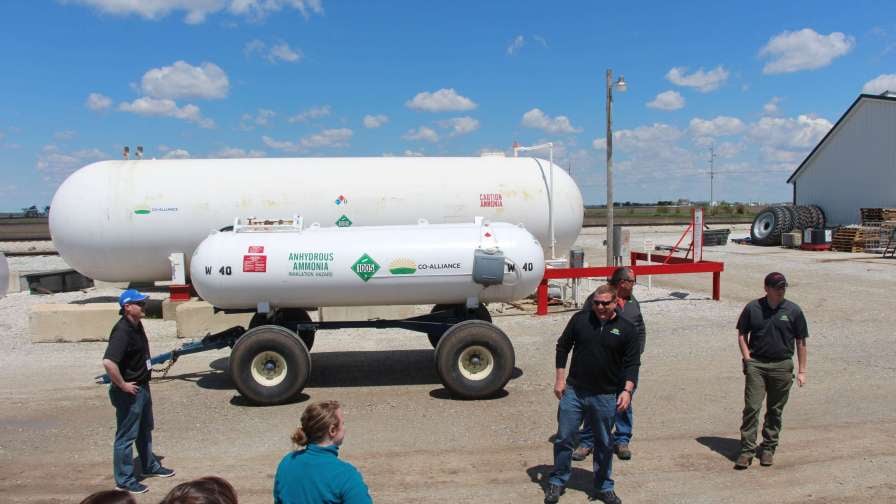
The crew at Co-Alliance, Wolcott, IN, was one of many impressive outfits that we visited on the tour. Above is an anhydrous ammonia filling station at Co-Alliance’s Kempton, IN, facility. Process Safety Management (PSM) regulations and the effect on Anhydrous Ammonia retailing was a major theme of discussion throughout the week.
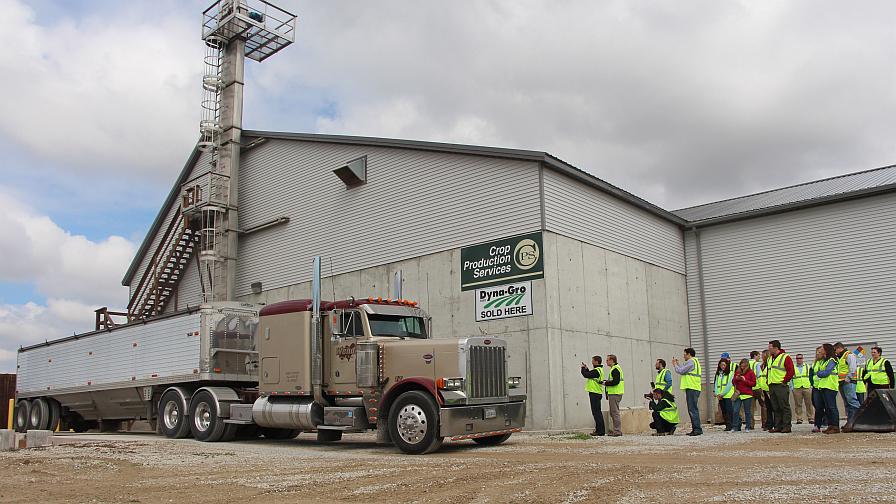
Crop Production Services (CPS) – one of the nation’s largest Ag Retailers – played a major role in the tour with five of its facilities being featured. CPS has long had a reputation for enthusiastically embracing safety and best practices in the industry.
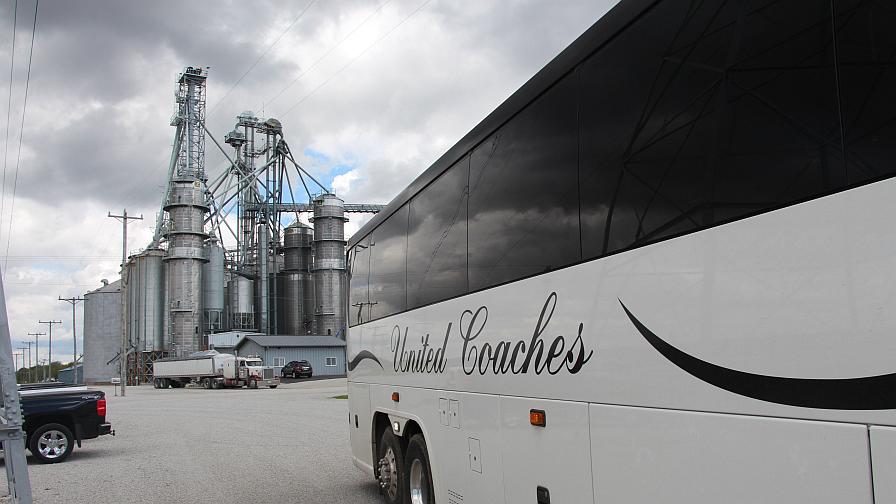
The above tour bus was our home-away-from-home for the week. Shout out to Marvelous ‘Marv (our trusty driver Marvin Crask)!
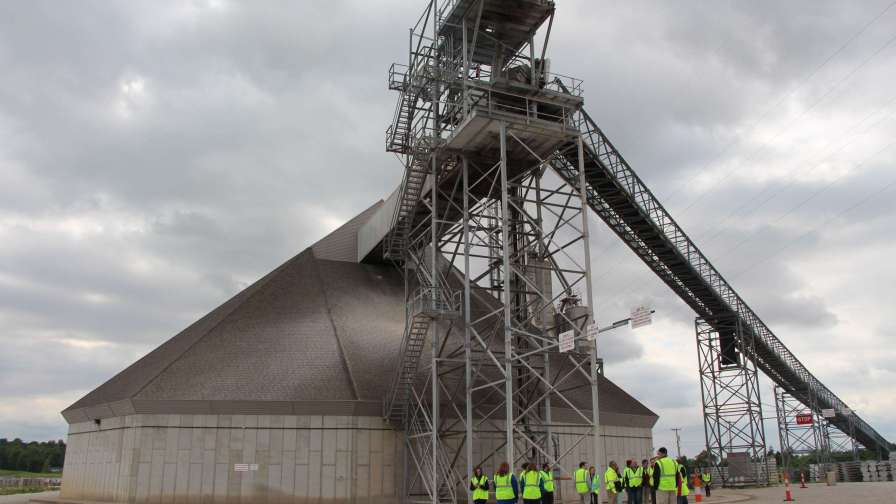
The CPS Riverport terminal in Owensboro, KY, situated along the mighty Ohio River, was a top highlight of the tour for this author.
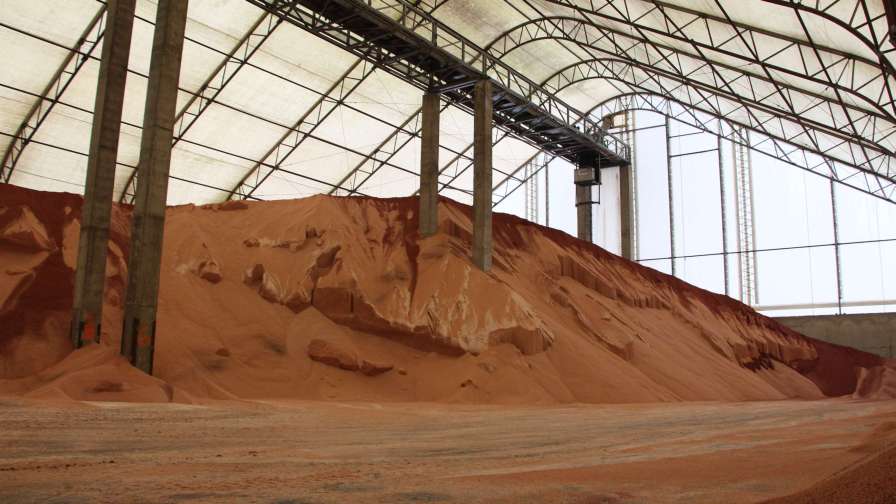
The Equity (Effingham Equity), Effingham, IL, was a repeat stop from the 2013 tour, and the fertilizer building that was brand new back in 2013 is still housing the cooperative’s large stock of dry fertilizer for blending.
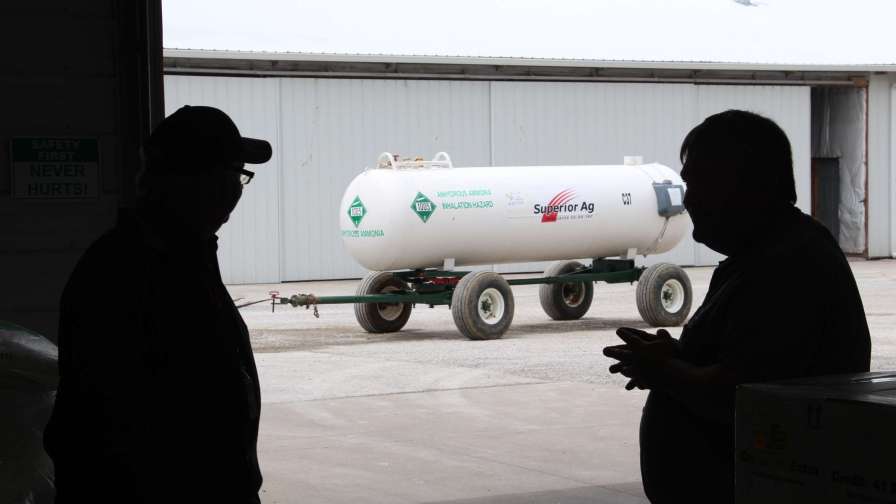
ResponsibleAg’s Bill Qualls (left) chats briefly with Superior Ag Resources Co-op (Chrisney, IN) manager David Scherer. The value of being able to visit ag retailers in their environment and pick their brains – for us ‘outsiders’ – cannot be understated.
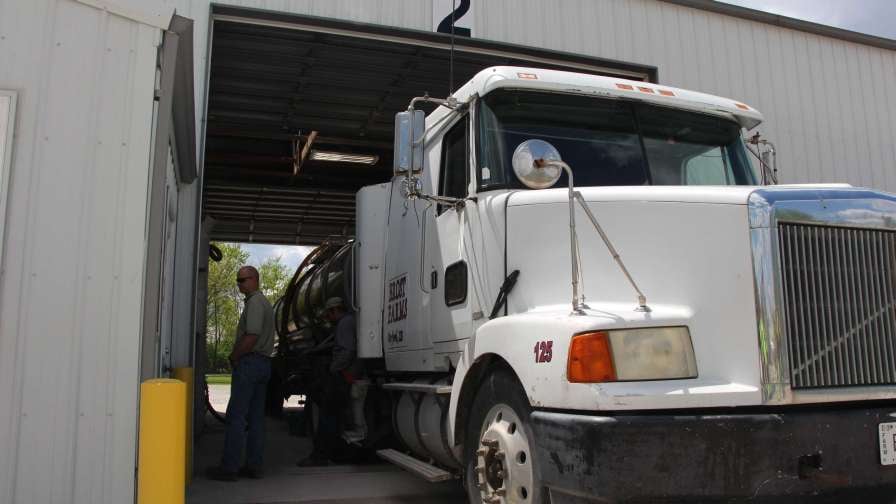
A grower-customer picks up a load of 32-0-0 at Ceres Solutions in Templeton, IN. Although it was the heart of the spring busy season, rainy weather throughout IN and IL made this scene a rare one on the tour.
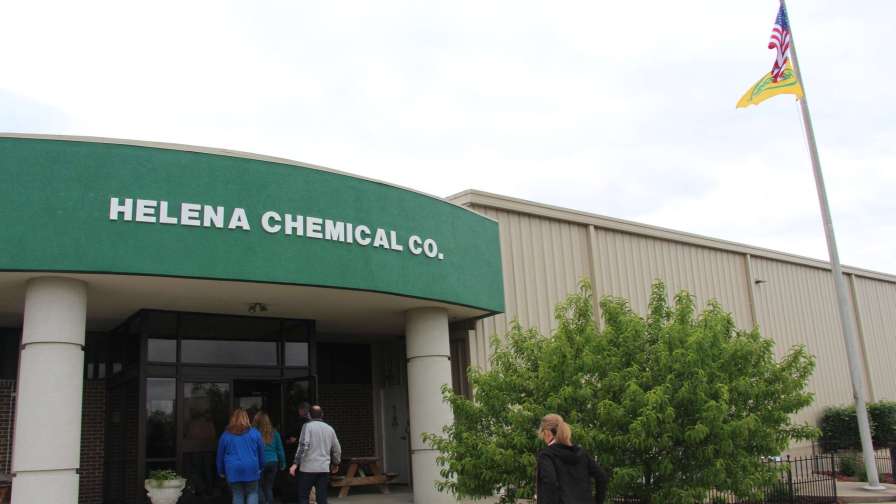
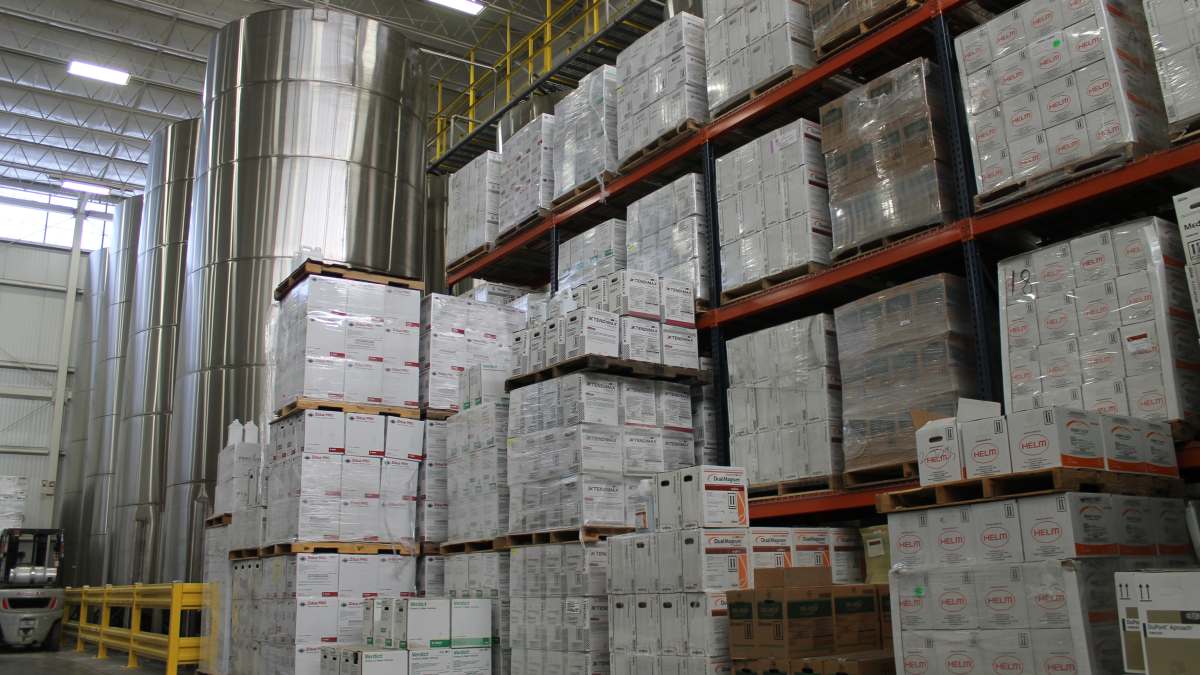
Not only did the group visit 47 ag retail operations throughout the five day, 1,400 mile journey, we also saw a brand new Helena Chemical Company distribution warehouse in Owensboro, KY.
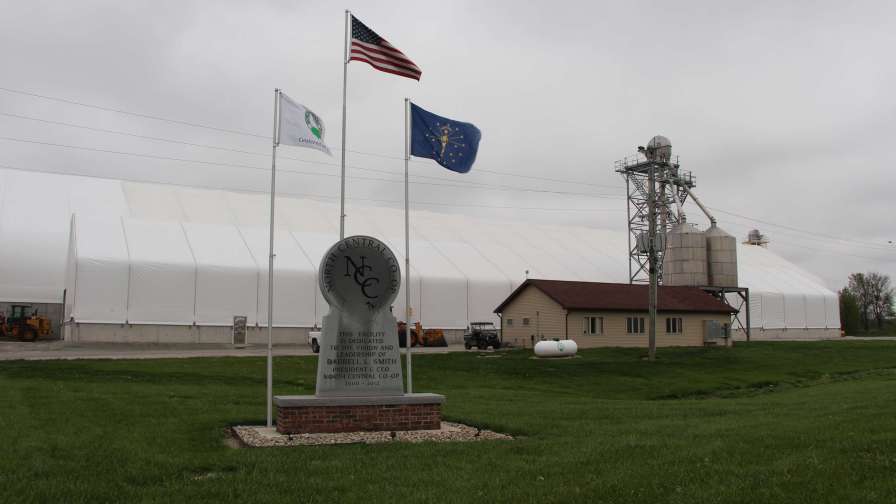
North Central Co-op (Mentone, IN) dedicated its new dry fertilizer storage to former President and CEO Darrell L. Smith.
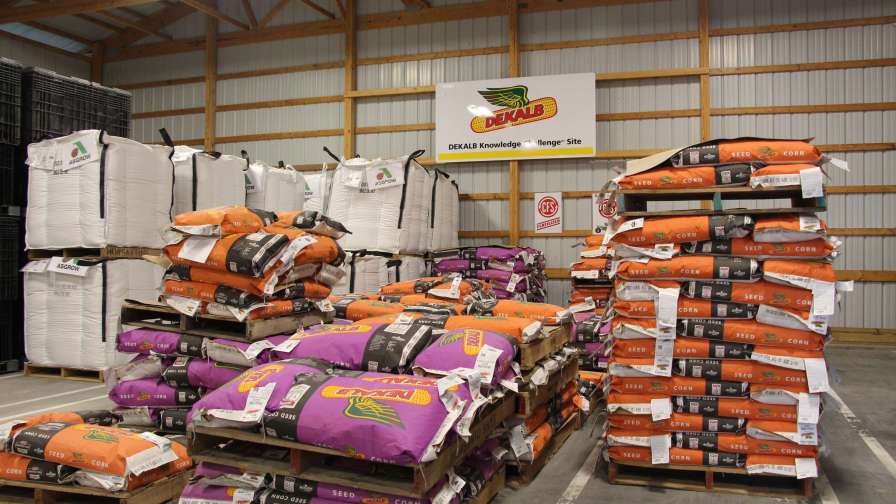
Downstream seed treatment services are a great value-added service for many of the retailers the tour visited. Tom Stein, manager, Ceres Solutions (Templeton, IN) remarked that “seed gives us a new revenue stream and another touchpoint with growers. And it helps with fertilizer sales and other things of that nature, too.”
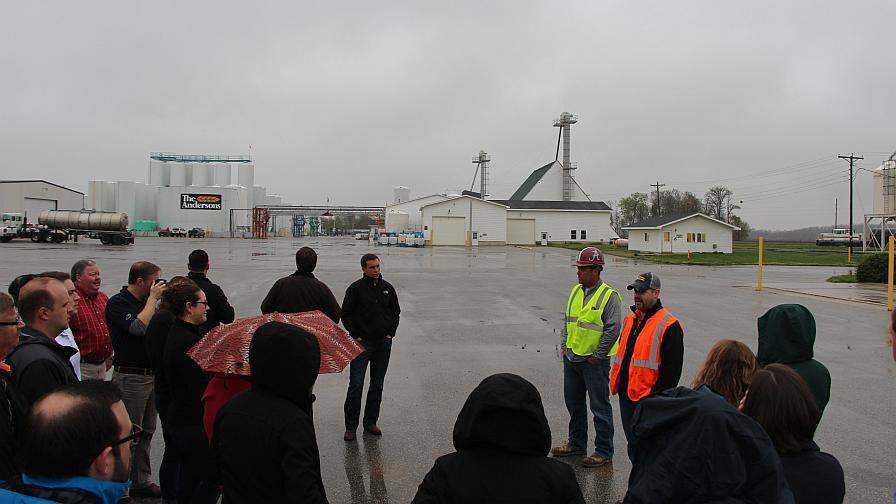
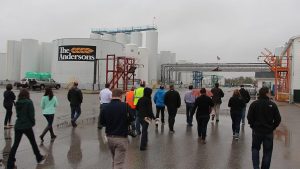
Rain scared away many of the growers when we visited The Andersons, Inc., facility in Galveston, IN.
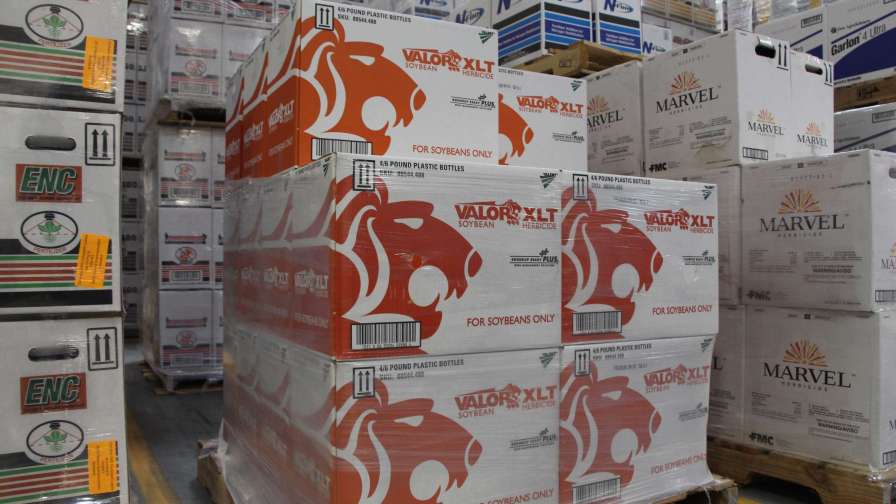
The tour also presents an opportunity to get up-close and personal with many of the crop protection products that we hear about everyday. Above is a pallet of Valent U.S.A.’s Valor XLT herbicide in storage.
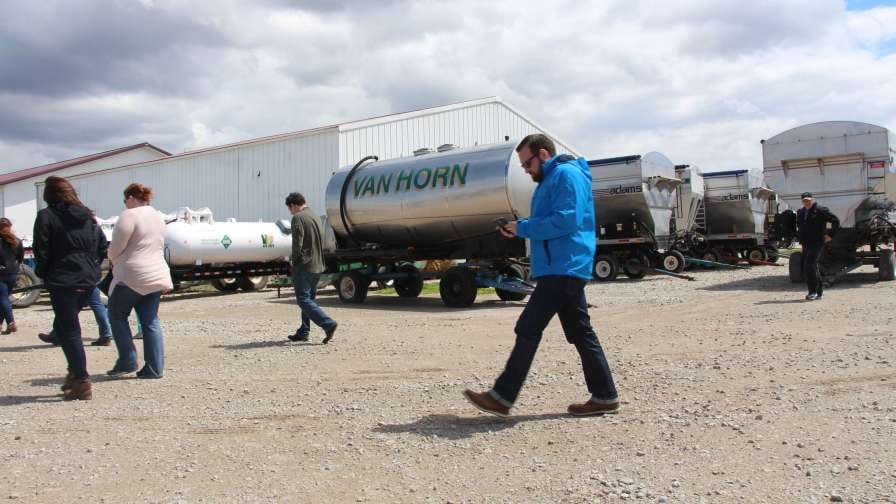
Precision agriculture was talked about in its various forms and iterations throughout the week. The folks at Van Horn, Inc., in Cerro Gordo, IL, are doing some neat things with drones and 360 Yield Center products like the Y-Drop and 360 Soil Scan.
The ASMARK Retailers Live! tour – now in its third iteration and put on by Executive Director Allen Summers, Vice President Amber Duke and the rest of the ASMARK family (and it really is one big, happy Owensboro, KY, family) – goes a long way in exposing the men and women that serve the industry in farm lobby groups in Washington, D.C., to this phenomenon.
Over a five day span of 12-plus hour days on a tour bus just like the one your grandma and her friends take to the nearest Casino every couple months, the group of Agricultural Retailers Association, CropLife America, The Fertilizer Institute, and state agribusiness association representatives visit ag retail businesses throughout Indiana, Illinois, Kentucky and Tennessee, chatting up the crew and learning about the many challenges these businesses face. It’s a daunting schedule to be sure, yet at the same time it’s really nothing compared to the time the retailers we visited sacrifice away from their families and friends during spring planting.
So now, back in my comfy office and surrounded by all the accouterments of suburban existence (there was a running joke all week about stopping off at a nearby Starbucks; we finally saw one at the end of the week in Clarksville, TN, on the way to the airport. Didn’t stop.), its time to process what we learned on the trip.
Here’s 10 scribblings in my notepad that stand out as notable from the tour:
- The size of farmers’ planters and the speed at which they plant is putting a tremendous strain on ag retail throughout the territories we toured. The sheer speed at which growers can get fields planted nowadays with 12 and 24-row planters “shrinks the window” in which a grower wants his fertilizer, seed, crop protection products, etc. delivered to the farm, and from what we heard all growers want to be first priority. This is making planning and logistics two valuable skill sets down at the dealership.
- Process Safety Management (PSM) regulations are a substantial concern for many going forward, especially in the Anhydrous Ammonia (AA) world. EPA estimates the average cost for AA retailers to get up to date with PSM if it goes into effect will be around $20,000 per facility, while many in retail believe that figure is on the low end. There seems to be two tracks of thought on PSM in the ag retail world currently: those that will fight it tooth-and-nail until the bitter end, and those that recognize the industry could use some physical facilities improvements/updates and will proactively attack PSM improvements (via ASMARK’s MyPSM online module) to stay ahead of OHSA. A couple ways to possibly avoid PSM is to move AA storage on-farm and let a large grower manage that side of the business, or convert growers on AA to Urea + potash instead.
- DOT Concerns: Issues with the 180 day temporary Ag CDLs in Illinois – and whether the state or the retailer should decide when that 180 day period begins (as it is now the state sets this date and keeps track of the 180 day period; ag retailers in Illinois argue that they are already keeping DOT records and they want to pick the date in which that 180 day period begins and track it themselves), and new DOT rules on driver physicals and mandatory sleep apnea tests for Class A CDL drivers is making it more of a headache to keep the trucks going during spring busy season.
- All retailers throughout the areas we toured are doing what they refer to as “hot loads” now, where the retailer mixes in a grower’s liquid fertilizer, N Stabilizer, insecticide/herbicide/fungicide, PGR and two to three adjuvants & water conditioners, all in the same tank at the dealership. By implementing this practice retailers can reportedly increase sales volumes, save time and thus be more efficient in serving growers. Hot loading also gives the retailer a better handle on inventory, as everything is mixed at the dealership. The practice keeps possible liability issues (spills) contained to the retail outlet instead of in-field where mixing oftentimes occurs.
- It’s arguably not the sexiest subject matter for us to cover here at CropLife, but spray drift remains a substantial concern and something retailers must constantly manage/account for with the dicamba and 2,4-D cropping systems coming online soon. One of many facilities we visited in Southern Indiana is located in the same county as a large group of Red Gold tomato growers. The manager of this retail branch said that his outfit won’t touch either system because of the worry of drift onto produce and ensuing litigation. Another retailer in Indiana that serves specialty growers lamented that he’s going to need to purchase a dedicated tanker truck, sprayer and all the other application equipment for each new chemistry, in order to avoid cross contamination. Retailers in these areas are urging specialty growers to register their fields with DriftWatch.org, as many said they check the database before a spray job to determine what sensitive crops may be grown nearby.
- Hub & Spoke retail continues to spread/dominate the facilities world. It seemed like almost every facility we visited was once a standalone site, and is now a main “Hub” that was expanded in the last several years to house all product mixing/blending/bulk storage and serve as a main distribution point for on average between four to six smaller “Satellite” locations nearby.
- Split Rate Application: I think it would be fair to say that not as many growers are embracing this practice as we eternal optimists in the Ag Media world like to think. In Illinois especially growers are still applying the majority of their nitrogen in the fall and then coming back in with side dress at planting, some retailers estimated as much as 90% of the nitrogen used in a season is still going on in the fall. Starter fertilizer is not as popular in this part of the country because the soil is so rich with organic content growers feel they don’t need “pop up.” Also, John Deere planters aren’t set up to handle starter.
- The ASMARK trip theme for 2016 was “the changing role of the retailer,” and one of the best examples of this is the proliferation of nutritional (micros, PGRs, specialty liquid fertilizers) products being sold at the retail level. Executive Director Allen Summers said that if a similar tour took place around 10 years ago or so we would have seen nothing but hard chemistry and fertilizer.
- The more diverse a businesses’ offerings, the more regulatory burdens that business will likely bare. This could be one of the reasons why the Southern States model of having the consumer-focused home and garden hardware store alongside the ag retail dealership is disappearing rapidly (which kind of sucks, because those farm stores are a great place to find unique gifts/products). Managing a business like this is extremely difficult both from a regulatory and a labor standpoint.
- Ammonium Nitrate has basically been rendered untouchable for retailers after the fallout from the West Fertilizer tragedy back in 2013, phased out in the KY/TN territories we toured for Ammonium Sulfate + Urea. The economics of AN just don’t make sense both for the grower, who can get by with cheaper alternatives, as well as the retailer who opens himself up to a bevy of regulatory agencies by keeping AN in the rotation. It still has its place in the sandy soils down in the Texas Panhandle and elsewhere further South, but in Corn Belt country AN right now is nowhere to be found.
 INTERESTING THINGS HEARD THROUGHOUT THE TRIP:
“Ag Retail is becoming a transportation job.” Manager, Co-Alliance, Kempton, IN, referring to always changing rail/truck regulations and logistical issues.
“Our second biggest challenge is figuring out just where we fit as a retailer in the Big Data space.” Manager, CFS Rossville, IN. His top challenge was staying on top of regulatory changes.
“We’ve gone from a time when we barely had any communication with the growers, to now they are constantly calling and texting and emailing…” manager, Randolph Ag Service, Randolph, IL, on challenges Internet and modern technology have brought to retail.
“It’s all about revamping facilities and being as fast, safe and efficient as possible.” Manager, The Equity, Dietrich, IL, on PSM and staying ahead of regulatory issues.
“We’re far better prepared today for any potential liabilities than when we did our first ResponsibleAg inspection.” Manager, Co-Alliance, Wolcott, IN.
“It’s a great new revenue stream and another touch-point with growers, and its helped our fertilizer sales (as well).” Manager, Ceres Solutions, Templeton, IN, on adding downstream seed treating in the last few years.