The Benefits of Biostimulants and the Ag Retailers’ Role in Their Broader Adoption
 March 1, 2025
 The benefits of biostimulants are vast. They touch on many aspects of the ag industry including climate change, sustainability, regulatory issues, and plant and soil health. It’s little wonder then that retailers and their grower customers continue to embrace these products.
“With the regulatory landscape becoming increasingly difficult for traditional chemistry, U.S. growers need alternatives,” says Alex Cochran, Chief Technology Officer, DPH Bio. “With more restrictions likely to come as well as increasing demand for better sustainability metrics, we expect to see farmers turning more and more to biostimulants for answers.”
Given those benefits, it’s not surprising the use of biostimulants continues to grow. And to ensure the assertions are legitimate, The Fertilizer Institute (TFI) created a certification program.
“There is a wide range of biostimulant claims in the market, from enhancing nutrient use efficiency to improving soil health,” says Ed Thomas, Vice President of Government Affairs, TFI. “However, the TFI Certified Biostimulant program restricts claims to those aligned with the AAPFCO-approved (Association of American Plant Food Control Officials) plant biostimulant definition. This definition specifically supports claims related to ‘improving nutrient availability, uptake, or use efficiency, enhancing tolerance to abiotic stress, and promoting plant growth, development, quality, or yield.’”
However they are described, these products have been used for a very long time.
“The term ‘biostimulants’ is relatively modern; their components have been used for centuries, even millennia, to boost plant growth, crop quality, and yield,” says Jacob Parnell, PhD, Director of Agronomy at Biome Makers.
Despite their history, the use of biostimulants continues to evolve.
“For us, however, we’re starting to see an evolving story of this technology in agriculture, and I believe it will redefine how farmers grow food in a changing climate,” says James Maude, Executive Vice President, Acadian Plant Health.
“Modern agriculture faces a dual challenge: Feeding a growing global population while minimizing environmental impact,” Maude continues. “In the area of fertilizer, the industry needs to boost efficiency so that when regulations are handed down to reduce fertilizer use, growers are still able to achieve high yields while promoting environmental stewardship. Developing biostimulant products that optimize the efficacy of fertilizers is a priority for us at Acadian.”
Soil Health, Sustainability
“One of the primary benefits of biostimulants is their ability to enhance nutrient absorption,” says Biome Makers’ Parnell. “They achieve this by either stimulating plant processes, like root growth, or by making nutrients more readily available for uptake. Additionally, biostimulants promote the activity of beneficial microorganisms in the soil that break down organic matter and release nutrients in forms plants can easily absorb.”
As stated, growers employ biostimulants in a variety of ways. And, it seems, they do so depending on their needs.
“Regenerative agriculture starts from the ground up, and biostimulants play a pivotal role in this transformation,” Acadian’s Maude says. “Acadian’s seaweed technology fosters healthier soils by increasing organic carbon and stimulating beneficial microbial activity. The result? Reduced soil degradation and improved fertility.”
Biome Makers’ Parnell agrees with that sentiment.
“Biostimulants are a key resource for regenerative agriculture and are pivotal in sustainable agriculture,” he says. “The proper use of biostimulants can enhance resource efficiency, reduce environmental impact, and support soil and ecosystem health.
“By promoting nutrient uptake, stimulating beneficial microbial activity, and improving plant resilience to abiotic and biotic stresses, biostimulants complement natural processes,” Parnell continues. “They reduce dependency on synthetic inputs, support biodiversity, and foster long-term soil fertility, making them a cornerstone of integrated approaches to sustainable agriculture and climate resilience.”
No matter how they (or any crop input) is used, delivering return on investment is a key to success.
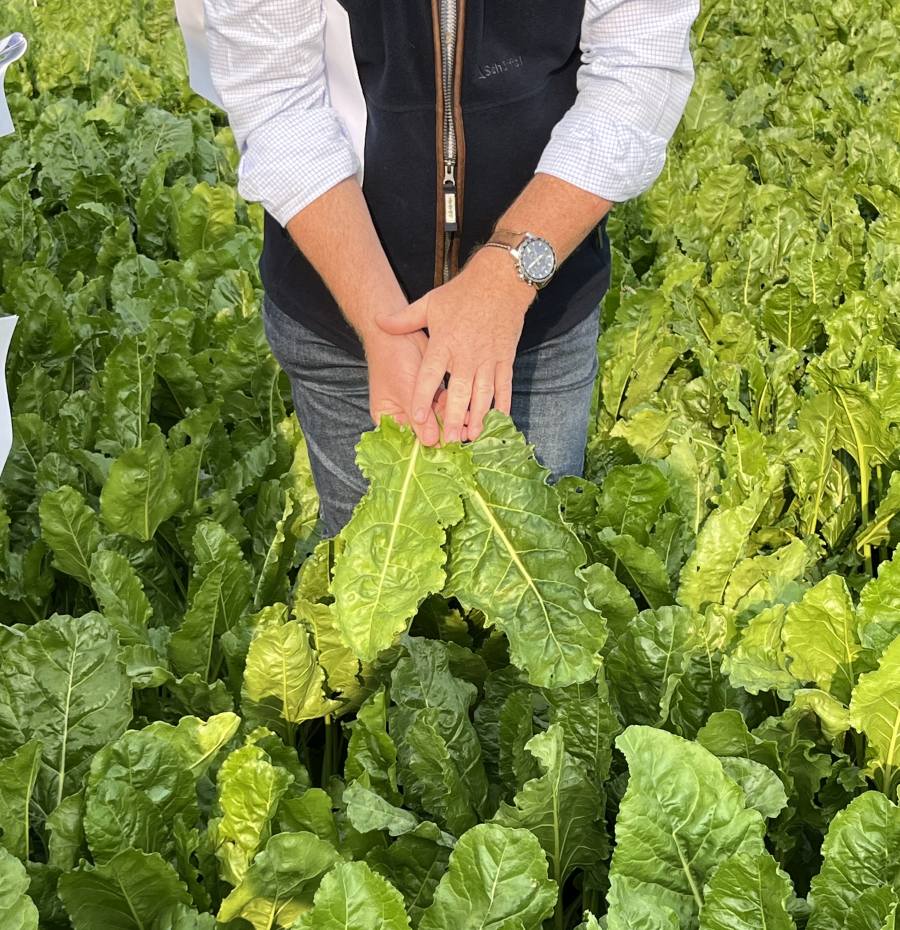
Sugar Beet Control (left), Biimore (right). Photo by Vincent Claux / Rovensa Next
“Biostimulants play a vital role in promoting sustainability by reducing the use of chemical fertilizers, enhancing soil health, while increasing productivity and return on investment to growers,” says João Cardoso, Chief Product Officer, Rovensa Next. “They also boost the capacity of the plant to overcome abiotic stress and to adapt to climate change, fostering a more balanced ecosystem and supporting climate-smart agricultural practices. Biostimulants are also key to helping growers optimize the use of water, making them a key tool for sustainable crop management and environmentally responsible farming.”
Furthering Cardoso’s comment, Acadian’s Maude agrees that optimization is critical.
“Biostimulants embody the ethos of sustainable agriculture, reducing dependence on synthetic inputs and promoting a holistic approach to farming,” he says. “By enhancing soil heath, optimizing nutrient use, and bolstering resilience, these products offer a pathway to lower environmental impact without sacrificing productivity.
“For farmers facing the dual pressures of environmental uncertainty and market demands, biostimulants provide not just a solution but a strategy — one rooted in science and innovation yet aligned with the timeless principles of stewardship and sustainability,” Maude continues. “As the world seeks to grow more, this technology may prove to be one of agriculture’s secret weapons, unlocking a future where performance and sustainability thrive side by side.”
The term sustainability has been adopted by a number of stakeholders, not the least of which is the greater public.
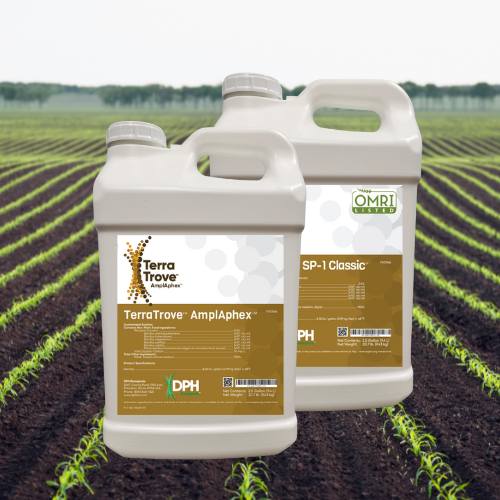
DPH’s Terra Trove AmplAphex and SP-1 Classic.
“Consumers want more sustainable practices from the farm gate forward and biostimulants will be crucial for farmers to meet those expectations,” says DPH Bio’s Cochran. “Biostimulants can reduce the need for chemical fertilizers and pesticides, enhancing soil biodiversity by promoting beneficial microbial activity and supporting regenerative agricultural practices that restore ecosystems while maintaining crop productivity and grower profitability.”
Retailers’ Role
“Manufacturers and retailers play a pivotal role in promoting biostimulants to end users, contributing to the widespread adoption of these beneficial agricultural products,” says Acadian’s Maude. “They play a dual role in promoting biostimulants to end users, by fostering education, transparency, and collaboration, and they can contribute to the broader adoption of biostimulants in agriculture, leading to more sustainable and resilient farming practices. One of the current gaps we see in the transition of biostimulants to a core agronomic tool is the practical use options and the expected results. This is an area retail manufacturers and other supporting bodies such as regulators and standards can work to improve.”
Retailers nestled between manufacturers and growers have an important role in the success of biostimulant use.
“The best thing manufacturers and channel partners can do to promote biostimulants is support transparency and education, without over-positioning products,” DPH Bio’s Cochran says. “Since our founding, DPH Bio has been committed to going deep with our retail and industry partners with a credible story about where our technology fits best and where it doesn’t, including being able to clearly describe the ROI for the grower with the data to back it up.”
Sharing the success grower-customers experience is critical information for manufacturers.
“At Jord BioScience, we gauge success by the transformative impact of biologicals on agriculture,” says Keri Carstens, President and CEO. “Traditional views have often underestimated biologicals comparing them unfairly to synthetic chemicals based on outdated criteria. In addition, product development in traditional chemistry often takes more than 10 years. Biologicals offer solutions that replace and/or align with traditional chemistries for the most effective result — and Jord helps deliver results faster. By pairing specific microbes with existing agricultural practices, we can unlock new, sustainable modes of action without relying on genetic modification.”
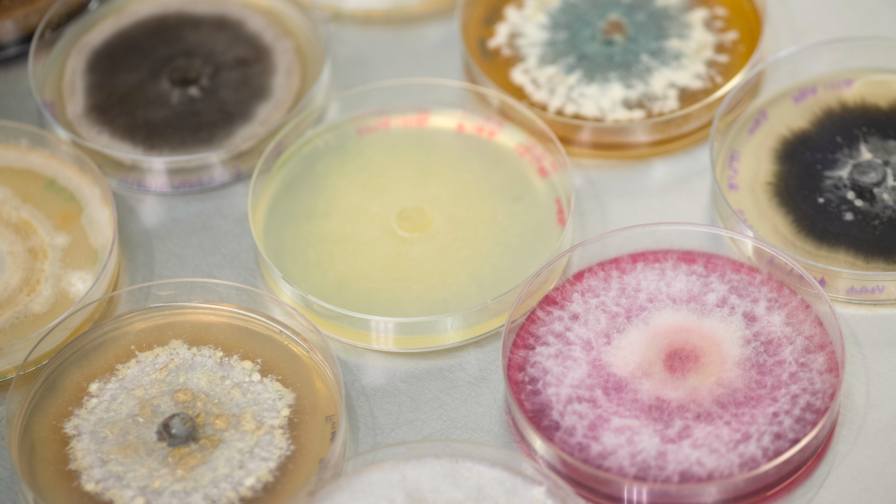
Customized microbial solutions are proven to deliver results. Photo: Jord BioScience.
“Biologicals, due to their complex genomic structures and multifunctional abilities, offer a paradigm shift for product development and innovation,” Carstens continues. “Unlike chemicals that have a single mode of action and degrade over time, microbes can perform multiple functions in the soil, improving nutrient availability and suppressing pathogens simultaneously while sustaining their benefits throughout the growing season. Recent trials underscore this, showing a more than 40% increase in effectiveness for biopesticides, over 25% for biostimulants, and more than 15% for biofertilizers when used in conjunction with our microbial solutions.”
Subscribe Today For
