
Fertilizer spreaders remain a cornerstone of efficient nutrient management, and heading into the 2026 application season, ag retailers and their grower-customers will once again rely on a wide range of machines designed to deliver accuracy, durability, and flexibility in the field. From high-capacity floaters to pull-type and chassis-mounted units, today’s fertilizer spreaders reflect both proven fundamentals and cutting-edge technology aimed at maximizing productivity while minimizing waste.
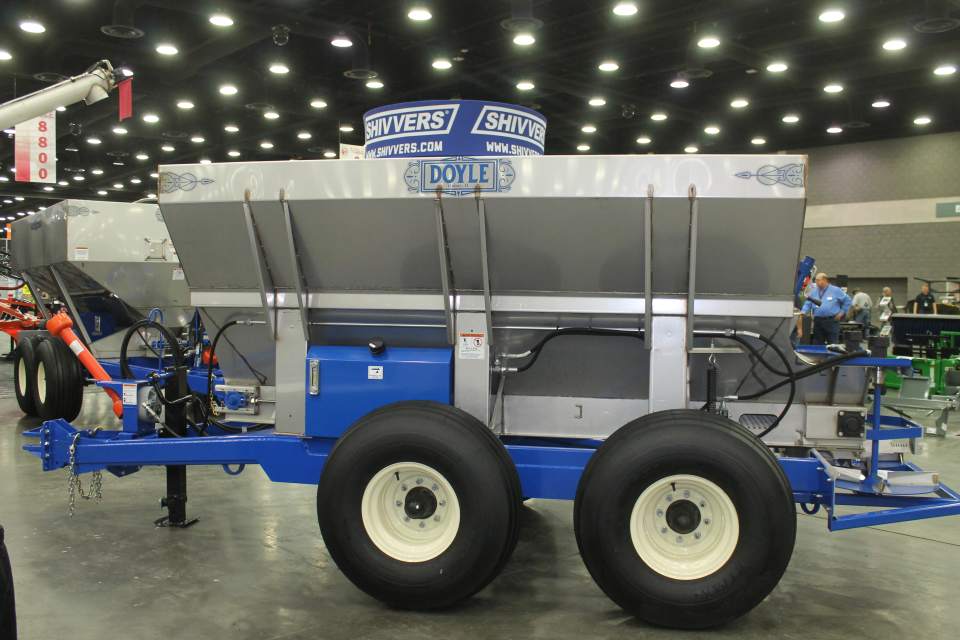
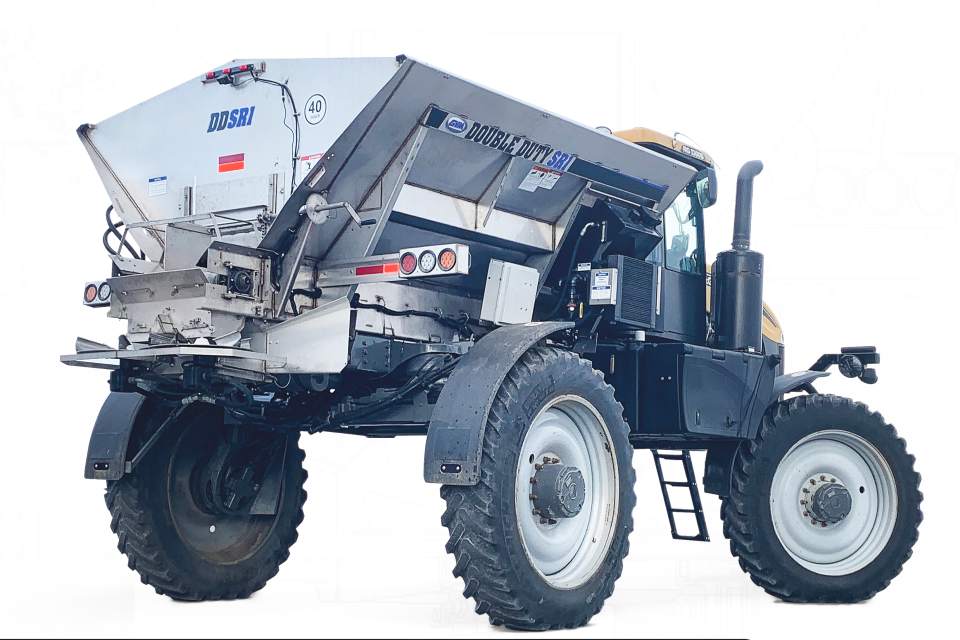
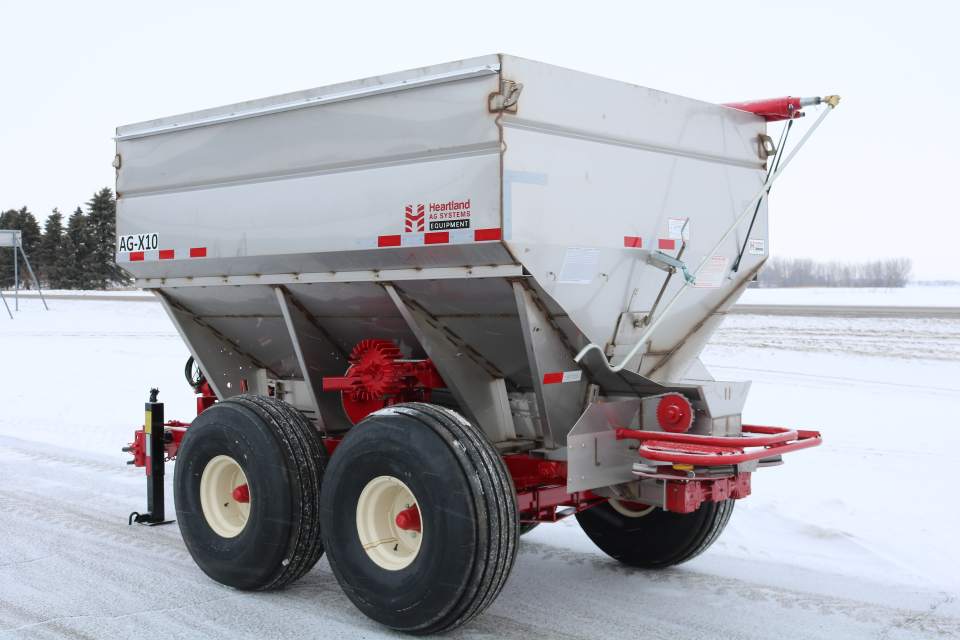
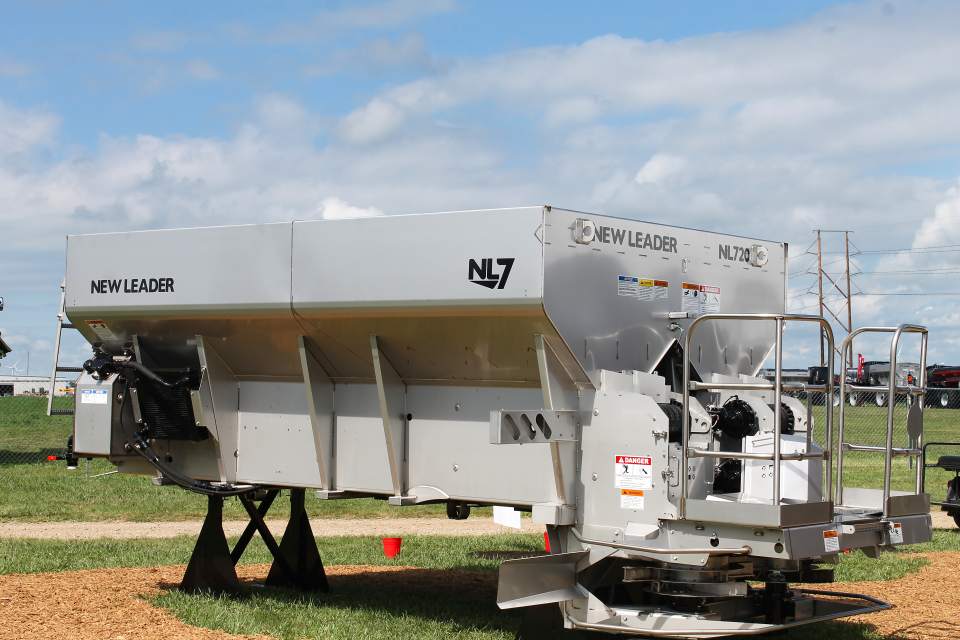
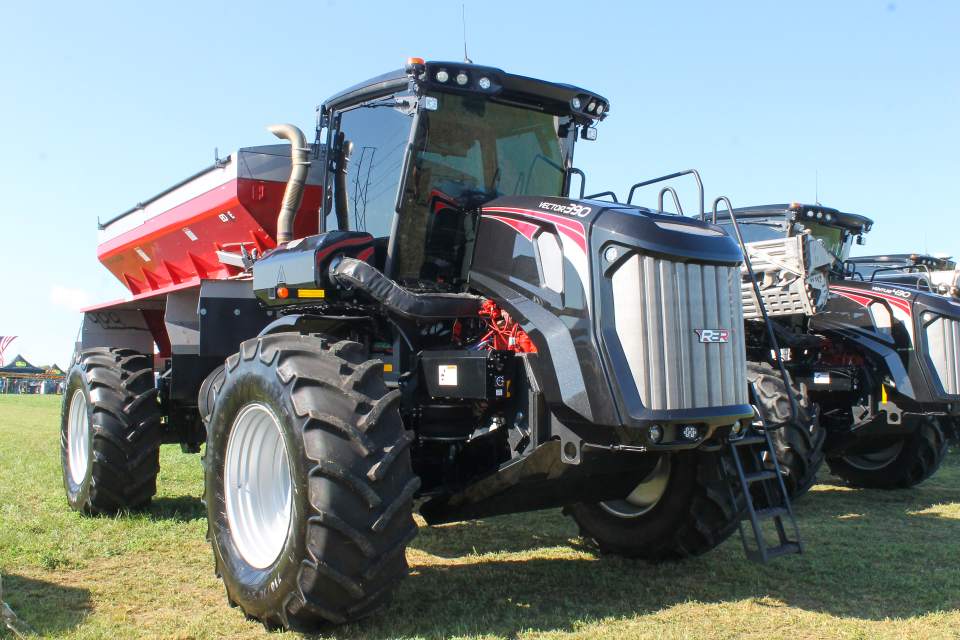
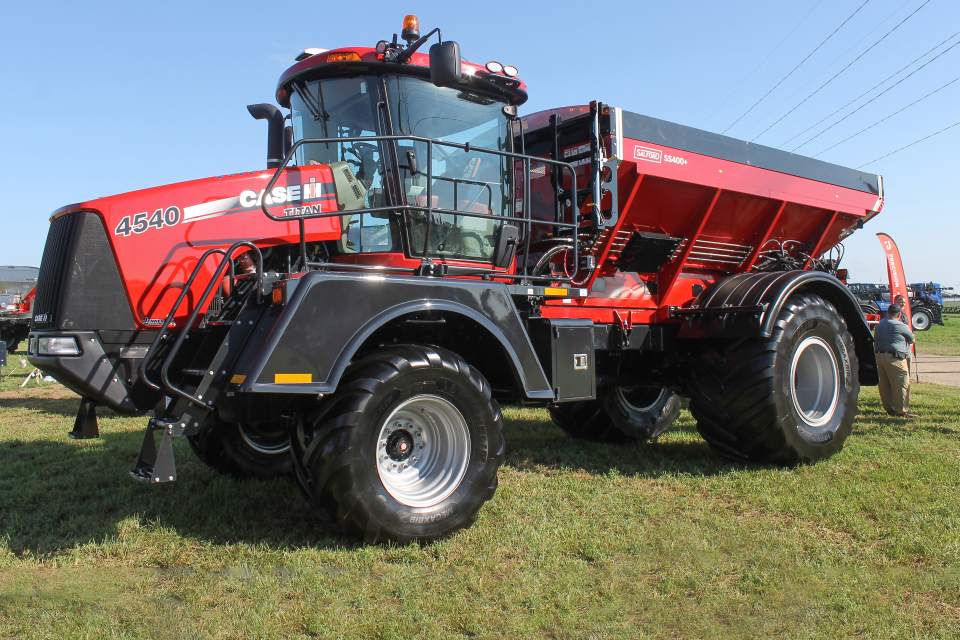
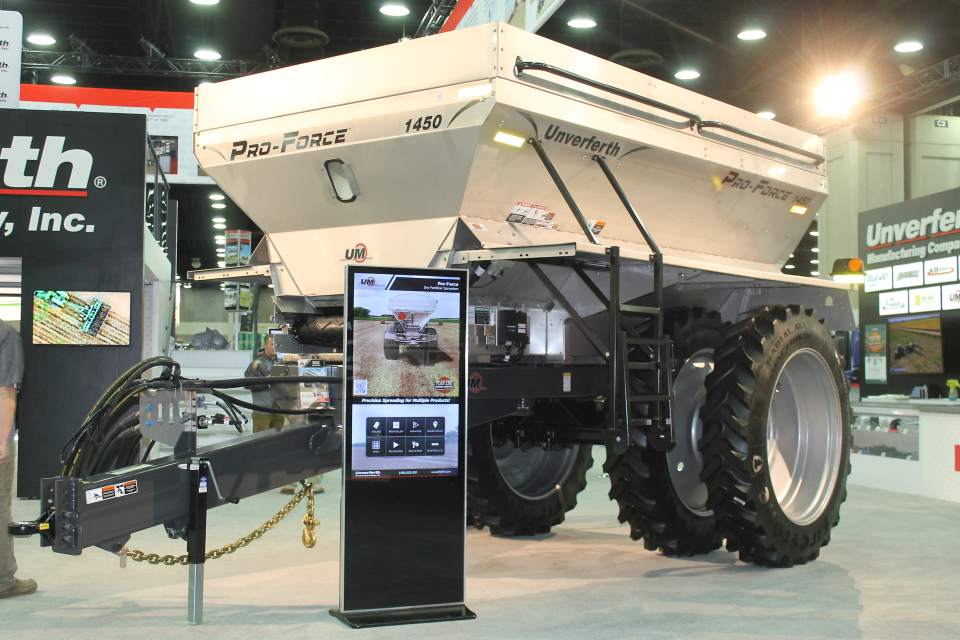
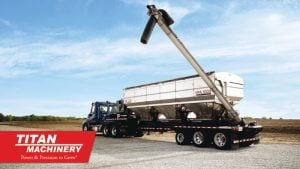
Across the market, stainless steel construction has become a common theme, driven by the need for corrosion resistance and long service life. Manufacturers like Unverferth, Doyle Equipment Manufacturing, and New Leader, all lean heavily on 304 stainless steel in their hoppers, conveyors, and structural components. Unverferth’s Pro-Force line exemplifies this approach with heavy-duty construction and hopper sizes ranging from 270 to 840 cubic feet, allowing operators to handle everything from dry fertilizer and lime to compost and cover crop seed. Similarly, Doyle’s 8-Ton Fertilizer Spreader combines a stainless steel hopper with a rugged steel frame and hydraulically driven spinners for dependable performance in demanding conditions.
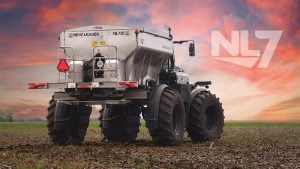
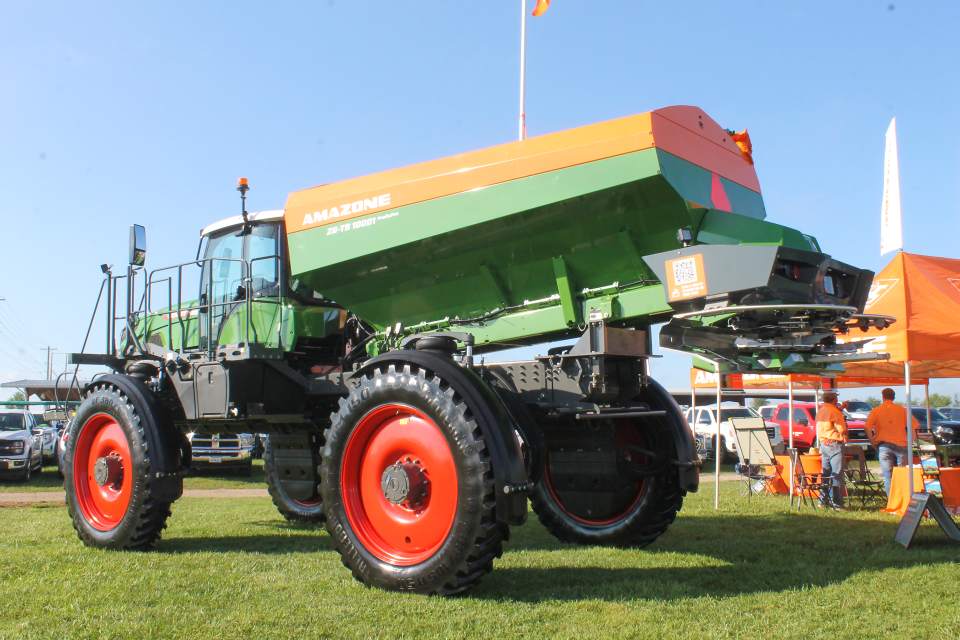
Precision and control are also central to modern spreader design. Amazone’s ZG-TS Spreaders push technology forward with online weigh cells, wind compensation sensors, and the ArgusTwin System, which uses radar sensors to automatically adjust application as product density changes. New Leader’s NL720 takes a different approach, emphasizing a simple, low-maintenance design with a fixed feedgate opening, stacked spinner configuration, and a built-in spread pattern wizard to help operators achieve consistent results across wide swaths up to 120 feet.
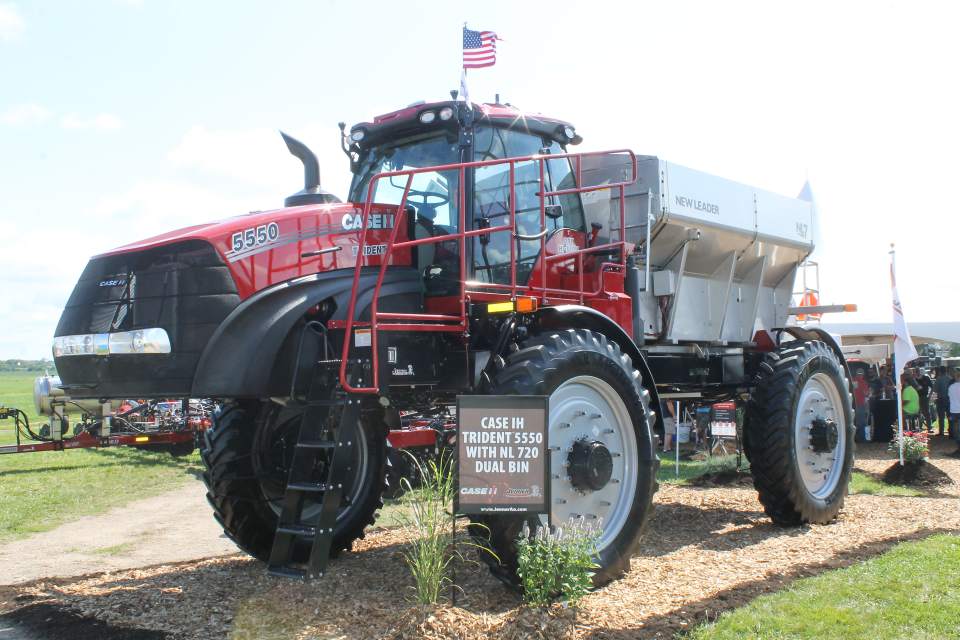
Many spreaders now offer multi-product capability to help applicators do more in fewer passes. Unverferth’s Pro-Force can apply up to four products simultaneously with optional hopper inserts, while Case IH’s Trident 5550 combination applicator supports configurations ranging from single-product application to four-product setups using MultiApplier and MultiBin options. Salford’s SS400+ mounted spinner spreader also offers optional bin inserts for dual-product application, balancing high capacity with versatility.
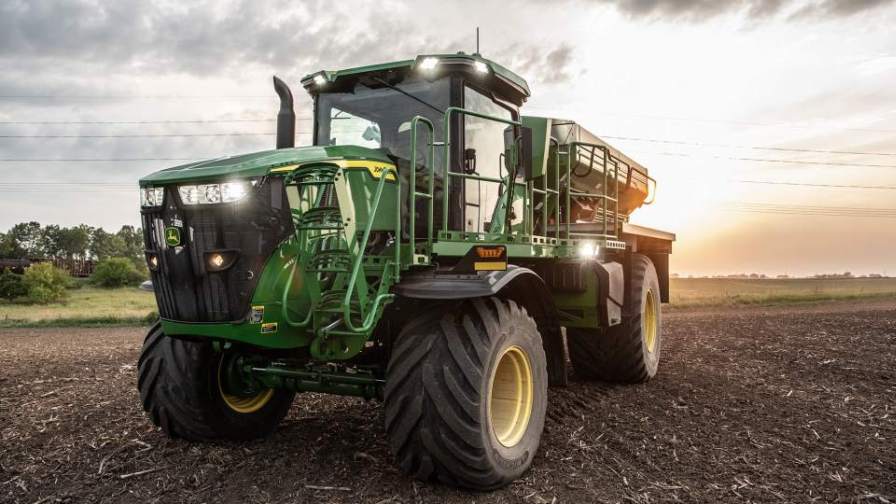
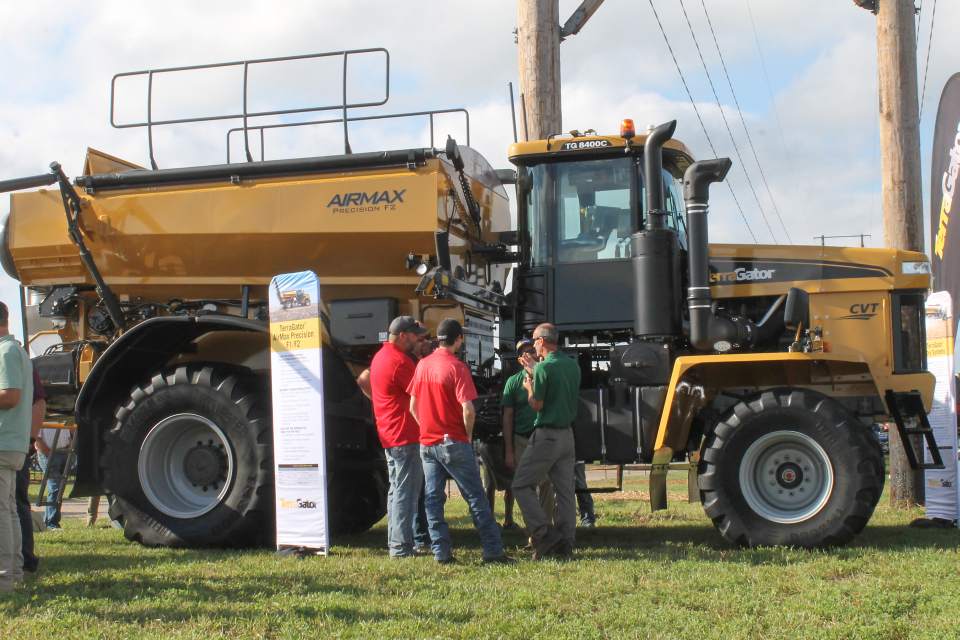
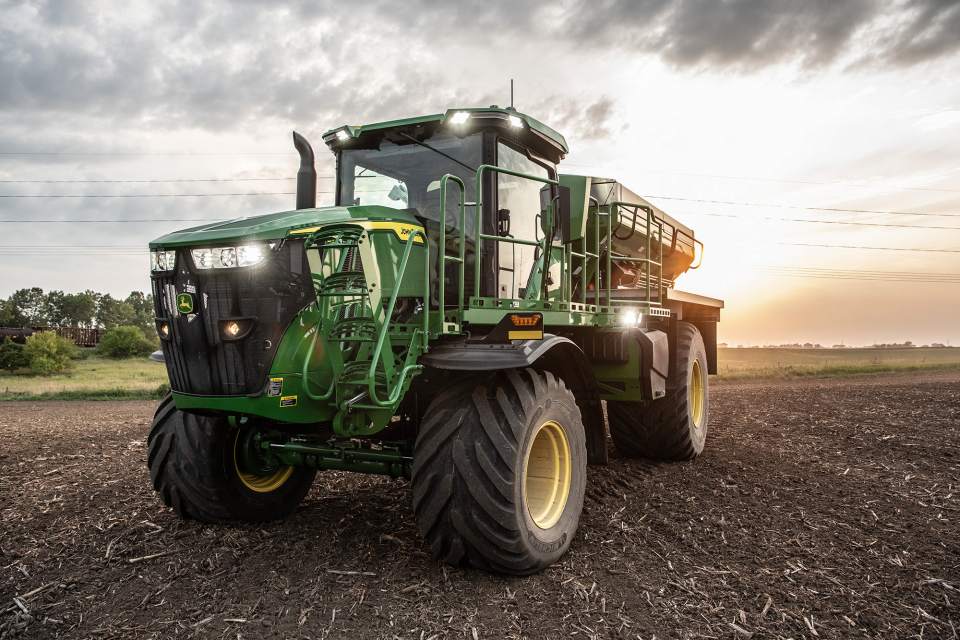
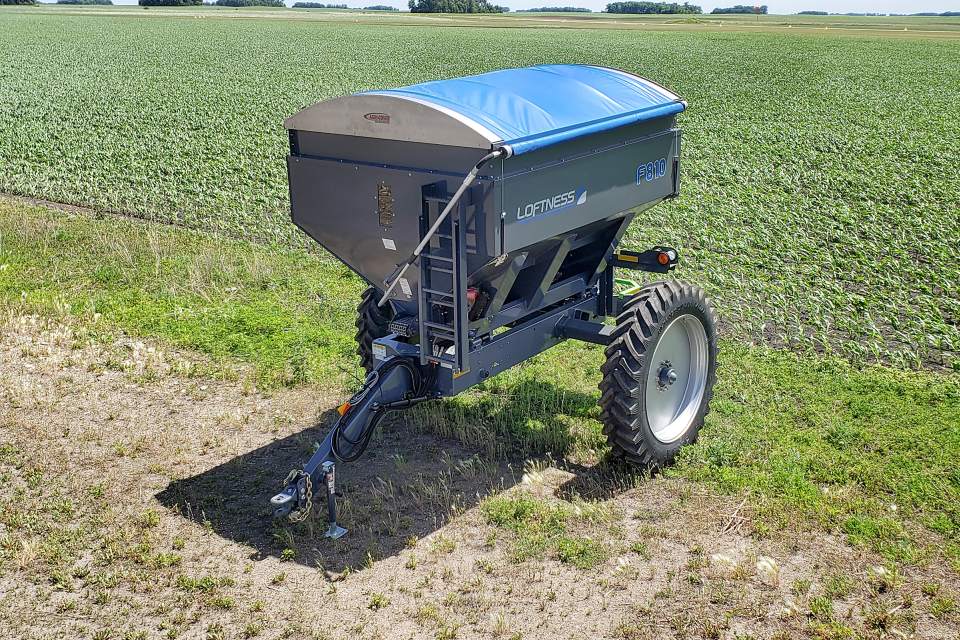
Other manufacturers focus on adaptability to different materials and field conditions. GVM’s Double Duty Series is designed to maintain a wide, flat spread pattern across fertilizer and lime, while allowing operators to adjust widths and navigate boundaries with ease. Loftness B Series spreaders emphasize hydraulic drive options and plug-and-play compatibility with popular rate controllers, appealing to operators looking for straightforward variable-rate capability. Meanwhile, systems like Fendt/AGCO’s AirMax Precision F1/F2 and John Deere’s 800R Floater highlight the growing integration of spreaders with high-speed application platforms and multiple implement options.
Together, these machines showcase how fertilizer spreaders continue to evolve, blending rugged construction with advanced controls and application flexibility. For a closer look at each unit and its full set of features, be sure to explore the photo gallery above, where each spreader is highlighted in detail.