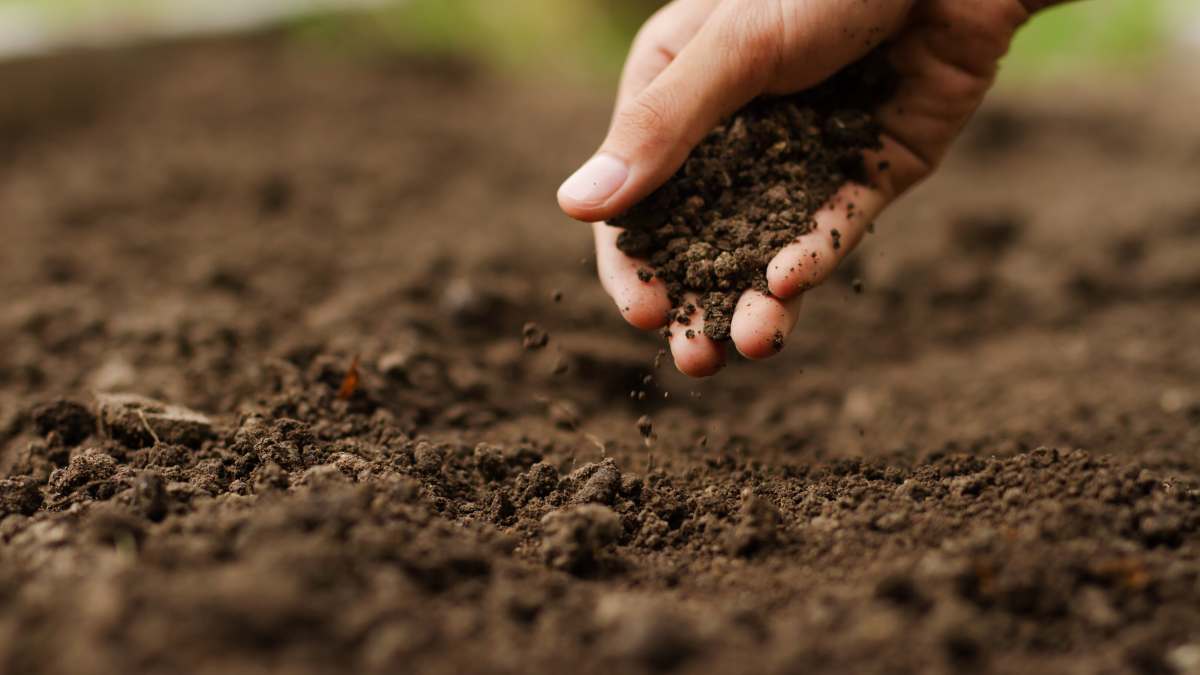
Soil testing is a valuable tool that can be used to tailor fertility applications to needs for a specific crop in a specific field or area, writes South Dakota State University Agronomy Crops Field Specialist Ruth Beck at the Capital Journal.
It saves producers money, prevents yield losses, reduces the chance of over application of nutrients and protects the environment. Soil testing is a fairly cheap investment, especially when compared to the investment many producers make in fertilizer each year.
Taking advantage of this requires doing a proper job of gathering soil samples that represent each field or part of a field. The second step is to have the proper soil test testing procedures performed on these samples. This will provide the basis for making a fertilizer recommendation.
Soil testing laboratories offer a large number of different soil testing packages. It is important to choose one that fits your needs but does not run unnecessary procedures. Most producers will test for one or more of the macro-nutrients (nitrogen, phosphorus, potassium) and selected secondary and micronutrients as determined by the crop and the field. Pick the package that gives you the information you need for your soil. Having good long-term records is important.