Managing White Mold in 2026: 4 Key Steps Every Retailer and Grower Should Take

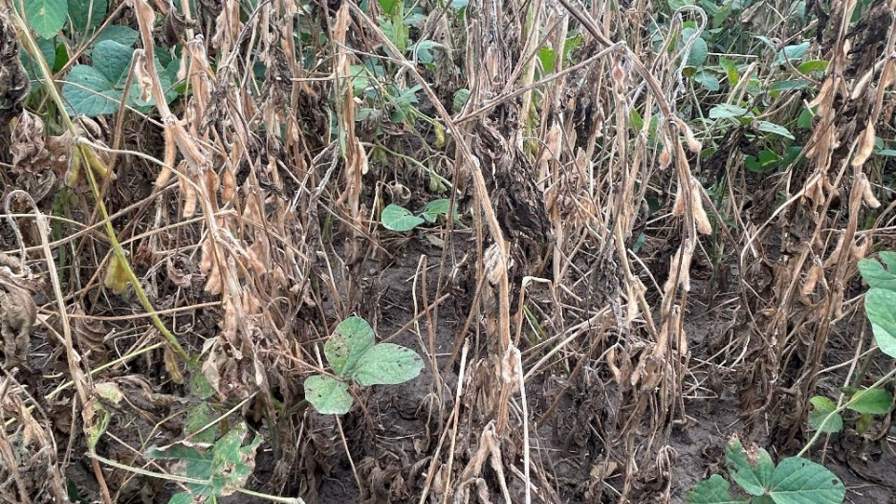
In 2024, estimated crop losses due to white mold in the U.S. exceeded $300 million.
White mold (sclerotinia sclerotiorum) is a persistent, yield-limiting disease affecting growers across the Northern U.S. Its ability to survive in soil for years and infect a wide range of broadleaf crops, including soybeans, dry beans, and canola, presents ongoing challenges for disease management.
In 2024, estimated crop losses due to white mold in the U.S. exceeded $300 million, underscoring the economic significance of proactive management. As tight margins persist, growers are seeking strategies that are both effective and affordable. The key lies in a comprehensive, integrated approach that layers cultural practices, variety selection and targeted fungicide use.
White mold is especially damaging because of its season-to-season survival mechanism. The fungus overwinters as sclerotia, which are black, hardened structures that can remain viable in soil for up to eight years. These sclerotia germinate under cool, moist conditions, producing mushroom-like apothecia that release spores capable of infecting plants during bloom.
White mold is particularly problematic in regions where soybeans, dry beans, and canola are rotated, as all three crops are susceptible hosts. Without proactive management, inoculum loads increase over time, making each growing season more difficult.
However, growers and retailers can manage these challenges through four key steps.
Step 1: Cultural Practices and Scouting
A strong white mold management program begins before the seed goes into the ground. Field history and environmental conditions should factor in every decision. If a grower has previously experienced white mold, it should be assumed that potential risk exists.
Key cultural practices include:
- Wider row spacing to encourage air movement and reduce canopy humidity.
- Crop rotation with non-host crops, such as corn or cereals.
- Targeted irrigation management during early bloom to avoid excessive moisture.
- Scouting should begin well ahead of bloom, tracking environmental triggers. Moisture, cool temperatures, and a dense canopy set the stage for sclerotia germination and spore release.
Step 2: Selecting Resistant Varieties
While no soybean, dry bean, or canola variety is completely immune to white mold, some offer moderate resistance or tolerance through characteristics like open canopy architecture. Seed selection helps set the tone for managing disease pressure.
Step 3: Timing Fungicide Applications for Effective Prevention
One of the most critical elements in white mold control is fungicide application timing. Infections begin during bloom, when delicate flower tissue is highly vulnerable.
Effective white mold prevention depends on properly timed fungicide applications. In soybeans and dry beans, fungicide applications should target the R2 growth stage, full bloom, unless canopy closure occurs earlier. In canola, optimal timing is between 30% and 50% bloom.
Fungicide selection also matters. For example, Zorina combines the white mold control of Endura (boscalid) with the residual activity of Revysol (mefentrifluconazole). This dual-action premix offers both preventive and curative activity, helping stop spore germination and halt hyphal growth.
Step 4: Post-Season Evaluation and Soil Management
The white mold battle doesn’t end with harvest. Fields should be evaluated to determine where infections occurred, how severe they were, and whether adjustments are needed for the next season.
Post-season considerations include:
- Cleaning equipment to avoid moving sclerotia field to field.
- Noting areas with significant lodging.
- Mapping hotspots for future applications or rotation.
White mold is not a disease that can be managed through a single activity or management decision. This season, consider a comprehensive approach, one that recognizes the disease’s persistence and tailors a multi-year strategy around fungicide application timing, crop rotation, genetic selection, and proactive protection.
Subscribe Today For
