Weed Science Society of America
AI Promises to Accelerate Weed Science Advancements
WSSA experts work to integrate AI into emerging sustainable weed-control technologies.
New Video Series Provides ESA Herbicide Label Guidelines
WSSA’s Endangered Species Act expert shares ways to stay in compliance.
Bridging the Gap: WSSA Symposium Tackles the Future of Targeted and Autonomous Weed Control
Experts to explore opportunities to develop sustainable and scalable sensing, automation, and precision weed control equipment.
Smart Tech
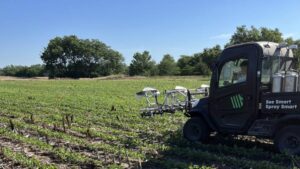
Smart Sprayer Study Confirms AI’s Cost-Cutting Capabilities
A new WSSA research article finds that AI-equipped sprayers can more efficiently control weeds than conventional broadcast sprayers.
WSSA Survey Shows an Urgent Need for New Weed Control Strategies
WSSA’s 2025 survey reveals herbicide resistance persists, signaling urgent need for new weed control tools and integrated management strategies nationwide.
WSSA Commends New Regenerative Agriculture Pilot Project
Project success hinges on technical support based on weed science research.
WSSA: New Technologies Needed As Broadleaf Weeds Outpace Herbicides
WSSA’s 2025 survey shows stubborn broadleaf weeds and rising herbicide resistance, underscoring the urgent need for new tools and integrated management strategies.
Research Shows Waterhemp Resistance Can Evolve from Preemergent PPO Inhibitor Use
New research confirms waterhemp can develop PPO inhibitor resistance from preemergence herbicide use — prompting urgent management changes.
Don’t Delay Weed Control Decisions Until Spring
Next season’s weed management planning should start now, according to WSSA member scientists.
WSSA and NAICC Provide ESA Insight for Agency Representatives
WSSA and NAICC bring federal agencies to the field, offering firsthand insight on ESA challenges, IPM practices, and conservation farming.
WSSA Experts Lead Regional Podcasts to Combat Invasive Weeds Across the U.S.
WSSA scientists use regional podcasts to share timely, eco-friendly weed control strategies — from crops to waterways — across North America.
Fall-Applied Residuals Repel Resistant Italian Ryegrass
A WSSA research article demonstrates fall-applied residual herbicides help to effectively control glyphosate-resistant Italian ryegrass.
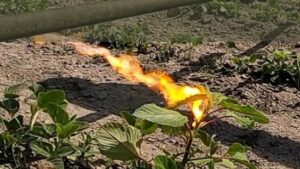
Weed Zapping Event Draws Spotlight
A new WSSA committee is making headway to promote emerging technologies in agriculture.
Drone Herbicide Applications Prove Effective for Common Reed Control
A recent WSSA research article shows drones offer a practical option to thwart invasive weed species, and the potential to accelerate ecological recovery in wetland habitats
WSSA Members Advance ESA Compliance, Adjuvant Innovation at 2025 CPDA AICP Conference
Experts gathered at the recent Adjuvants, Inerts and Crop Protection Conference to share challenges and solutions facing the crop protection industry.
No Palmer Amaranth Tolerance Is Advisable in Furrow-Irrigated Rice
A new WSSA research article shows the need to deploy multiple control measures to protect rice grain production in a furrow-irrigated system.
WSSA and CWSS Honor Award-Winning Scientists
U.S. and Canadian weed science societies recognized 38 outstanding contributors to weed science for exceptional 2024 achievements during recent annual meetings.

EPA’s Herbicide Strategy, Latest Weed Control Research Among Key Topics at Upcoming Weed Science Meetings
The WSSA and CWSS will meet February 24-27, and the WSWS will meet March 10-13.
Planting Soybean Green Proves Effective for Waterhemp and Palmer Amaranth Suppression
Newly published research shows promise for integrated approaches to troublesome Amaranthus weed species management using cover crops in soybean cropping systems.