
Quick knockdown and flexibility keep farmer demand high for one insecticide across multiple crops
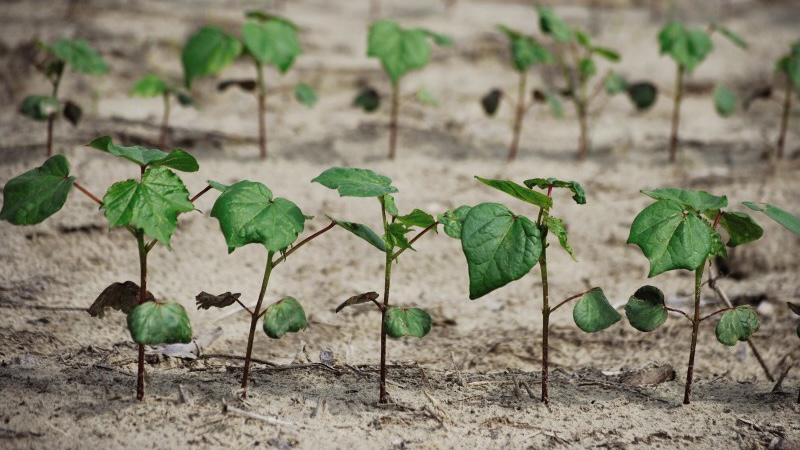
Protect early season cotton plant health and yield potential from lepidopteran pests with Intrepid Edge® insecticide.
In the world of team sports, having a utility player brings added value and flexibility to a roster. Coaches rely on them because a true utility player can play offense or defense, and in the event of an injury, can be substituted without the team falling apart structurally.
When it comes to retailers supplying farmers with products that protect their crop investment, having a product in the warehouse that can be used to control multiple pests across multiple crops brings a retailer and his farmer customers that similar utility player value.
Although there are always shifts in annual acreage numbers, many farmers across the Southeast, Midsouth and Southwestern United States will row-crop peanuts, soybeans, cotton and corn once again this year. Pecan orchards across these geographies also dot the landscape, with Georgia and Texas being top-tier pecan production leaders.
Controlling pests in a broad range of crops
It has often been said that the most expensive crop application is one that does not work. When insects reach threshold levels, and farmers or their consultants reach for their phone, odds are the call will be to a retailer to place an order for an insecticide.
From loopers in soybeans to thrips in cotton, pests will arrive hungry and look for young, developing leaves that are rich in sugars and nutrients. Their voracious appetites can hinder plant development early in the season and reduce yield and quality potential as the season progresses.
“Soybean loopers migrate from Central and South America, moving north into U.S. soybean fields as warmer weather arrives,” said Hunter Bowman, Ph.D., market development specialist with Corteva Agriscience. “During this migration, soybean loopers are exposed to older chemistries and can pose a significant challenge to the southern U.S.”
To fight resistance, Bowman recommends Intrepid Edge® insecticide when loopers reach threshold levels. It combines a Group 5 insecticide – which is an example/representative of an Insecticide Resistance Acton Committee (IRAC) Group 5 active – with a Group 18 insecticide to minimize resistance development.
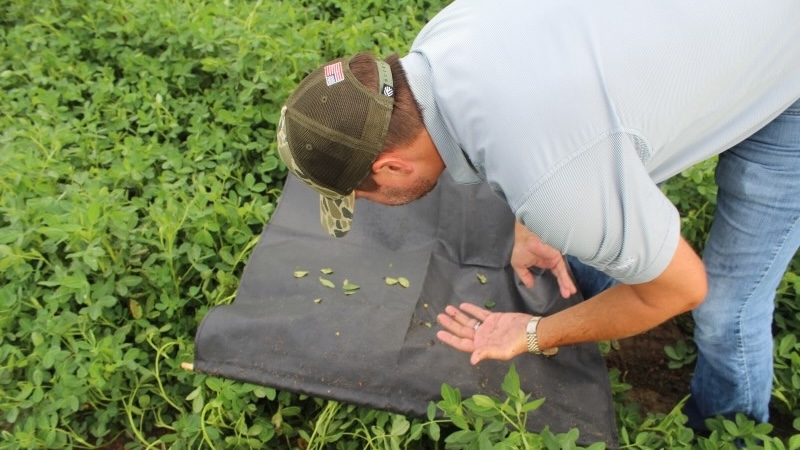
In peanut-growing regions where tobacco budworms are exhibiting resistance to pyrethroids, Intrepid Edge® insecticide can provide effective control.
Jason Little, a Georgia independent crop consultant, checks on row crops around Bleckley County. He calls for Intrepid Edge insecticide on a number of crops, including soybeans and peanuts, especially for control of tobacco budworm.
“Tobacco budworms have become resistant to pyrethroids,” Little said. “In a recent crop year, we made an application of Intrepid Edge when tobacco budworm counts were topping six to seven per row foot, with a few beet armyworms in those counts as well. Subsequent counts dropped to one per row foot the next week and nothing the following week.”
Retailers can offer advice to help farmers understand the benefits of fast control, which can lead to less damage to developing leaves, better plant health and improved yield potential.
“I also recommend Intrepid Edge insecticide when thrips invade cotton. It’s a recommendation supported by University of Tennessee Extension research,” Bowman said. “The quick knockdown it provides gives cotton a chance to outgrow the potential for thrips injury.”
In pecan country, biofix occurs when male moths are caught on back-to-back nights. This referencing point is a signal for growers to scout for eggs in pecan trees.
“This usually begins roughly 10 to 14 days after biofix for first-generation larvae,” said Kyle Slusher, assistant professor and Extension entomologist for pecan, viticulture and fruit, Texas A&M University.
While pecan nut casebearer (PNC) feeds exclusively on pecan trees, growers should also remain aware of hickory shuckworm (HSW). This insect feeds on any type of hickory tree, but also on pecan trees. Historically, growers used chlorpyrifos-based products to control PNC; however, over the last decade, Intrepid Edge insecticide has become the new grower standard.
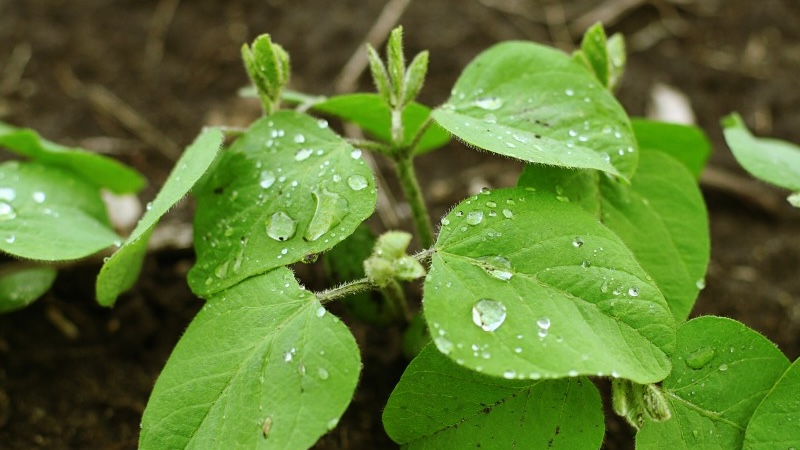
Tobacco budworms will feed on young soybean leaves, stunting plant growth and limiting yield potential. Intrepid Edge® insecticide should be the go-to control solution.
“Intrepid Edge has two active ingredients – methoxyfenozide and spinetoram – and has proven to be a great fit for pecan growers needing to control PNC and HSW,” said Jared Walls, market development specialist with Corteva Agriscience.
When farmers need a flexible insecticide with excellent efficacy on lepidopteran pest species, especially corn earworm and looper, count on Intrepid Edge insecticide.
Want to learn more about why agronomists and consultants recommend Intrepid Edge insecticide as a first line of defense against lepidoptera pests and thrips? Get more details here.