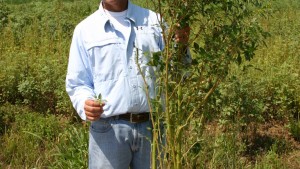
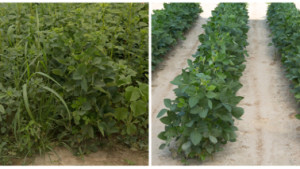
DuPont Afforia is a preplant herbicide for soybeans and other field crops that provides excellent burndown and residual control of many challenging weeds, such as marestail and waterhemp.
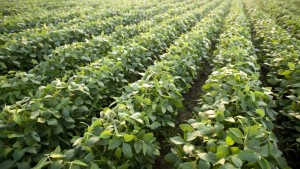
When growing soybeans, growers need to think ahead to stay one step ahead of weeds. That means examining weed threats and evaluating which herbicides work best.
Designed for use with the Enlist Weed Control System, the app is a precision agriculture tool for maximizing weed control performance, managing weed resistance and making responsible applications of Enlist Duo herbicide with Colex-D Technology.
Release of the Environmental Impact Statement brings American farmers one step closer to obtaining a critical tool needed to manage resistant and hard-to-control weeds.
Hand-rouging and pulling late season weeds by hand may be the best way to remove them, more so than using a herbicide, a Purdue Extension weed scientist says.
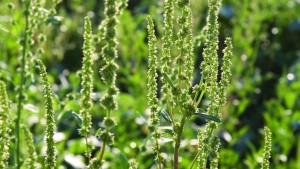
Simply attempting to control Palmer amaranth often leads to ineffective herbicide applications, substantial crop yield loss, and increased weed infestations, says a University of Illinois weed scientist.
The enhanced formulation has improved viscosity and increased stability under heat and controls more than 60 high-anxiety grasses and broadleaf weeds found in corn fields.
The Provisia Rice System will provide a new tool for post-emergence control of a broad range of grass weeds, including ALS-resistant grasses, weedy rice and red rice.
BASF suggests a post-emergence herbicide with residual control before weeds reach four inches in height as the best way to tackle tough to control weeds after they have emerged.
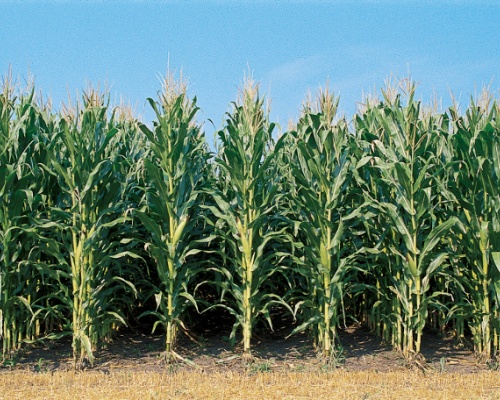
Many herbicides are still safe for farmers to use after corn has emerged so long as they pay close attention to product selection and application timing, according to Purdue Extension weed scientists.
Affected by prolonged rainfall, weed resistance issues and higher manufacturing costs, the U.S. crop protection industry remained strong in 2013, posting an 8% increase over 2012.
Typically, soil-applied herbicides control target weed species with little to no adverse effect on the crop. However, there are some factors that can contribute to herbicide-induced soybean injury.
The Weed Science Society of America (WSSA) has announced plans for a second national scientific summit on the topic of herbicide resistance in Washington, DC, in September.
Field studies show that a fall application of certain herbicides before weed emergence, leads to more successful crop planting and weed control in spring.
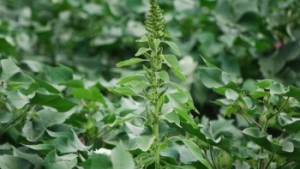
Palmer amaranth has prolific seed production, rapid dispersal, and high competitiveness with crops, making herbicide-resistant strains difficult to control.
EPA has announced its intention to register Enlist Duo for use in Iowa, Illinois, Indiana, Ohio, South Dakota and Wisconsin, and is seeking comment from growers and others on the new technology.