EXPERT: Multi-Chemistry Resistant Weeds On The Rise
March 11, 2015
Bob Hartzler and Mike Owen, professors of agronomy and ISU Extension and Outreach weed scientists, updated the 2015 Herbicide Guide for Iowa Corn and Soybean Production to reflect the 2014 growing season, product effectiveness and changes in industry offerings
DiFlexx (dicamba) has a wide window of application, from burndown to V10, for ensuring complete broadleaf weed control and flexibility, and is tankmix compatible with Corvus or Balance Flexx herbicides from burndown to V2, and post with Laudis or Capreno herbicides.
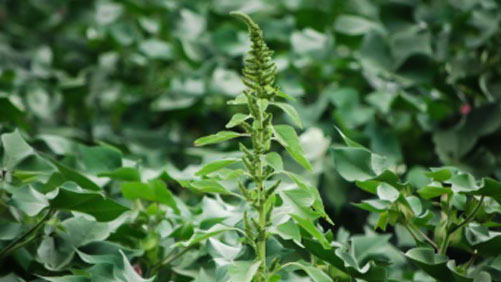
A University of Georgia professor is advocating that farmers rotate the pesticides they apply to cotton crops in order to prevent another outbreak of the herbicide-resistant weed, Palmer amaranth.
Protea’s LAESI DP-1000 Instrument System will be used in Purdue’s College of Agriculture, the Department of Botany and Plant Pathology, for the molecular imaging of herbicide active ingredients and other related compounds to optimize herbicide applications and improve weed management.
A registration decision by EPA for BASF’s Engenia herbicide is anticipated to follow the dicamba-tolerant trait deregulation milestone.
Lodged Palmer amaranth seeds may travel across state lines with the combine, says Kevin Bradley, weed scientist at University of Missouri Extension.
Unique weed management challenges facing growers in 2015, such as new herbicide tolerance traits and herbicide resistance, will be the focus of the presentation by MSU weed control specialist Christy Sprague on March 23.
The final EIS moves Monsanto one step closer to the introduction of Bollgard II XtendFlex cotton and Roundup Ready 2 Xtend soybeans, paving the way to provide access to dicamba-tolerant soybeans and cotton.
The USDA Animal and Plant Health Inspection Service (APHIS) is issuing a final environmental impact statement on varieties of cotton and soybeans that have been genetically engineered for resistance to several herbicides, including the one known as dicamba.
Monsanto and Sumitomo Chemical have entered into long-term agreements for weed management collaboration in Brazil and Argentina, expanding their ongoing strategic partnership under their North American Agreement.
Widespread herbicide resistance is keeping new actives and reformulated herbicide products center stage for ag retailers helping growers keep their fields clean and productive.
Living through relatively lean years the past decade, the crop protection products category burst back into the spotlight during 2014, with more good times expected down the road as well.
Acuron was tested at 167 trial locations across 35 states. Trials included 95 Syngenta locations, 54 university locations and 18 distributor locations.
It will be launched in conjunction with a stewarded introduction of Enlist corn, and seed production of Enlist soybeans in 2015.
The agreement extends their strategic partnership in Monsanto’s Roundup Ready PLUS Crop Management Solutions platform for soybeans and cotton in the U.S.
Even with new cropping systems being readied for market introductions, weed control will remain a challenge for many.
Herbicides applied in the fall often can provide improved control of many winter annual weed species compared with similar applications made in the spring, according to a University of Illinois weed scientist.
The Enlist Weed Control System, breakthrough technology to fight resistant and tough weeds, has received the long-awaited green light from federal regulatory authorities.
Dow AgroSciences is embracing product diversity to drive the company’s future.