PRECISION SPRAYING: How TeeJet® Technologies Is Driving Smarter Application
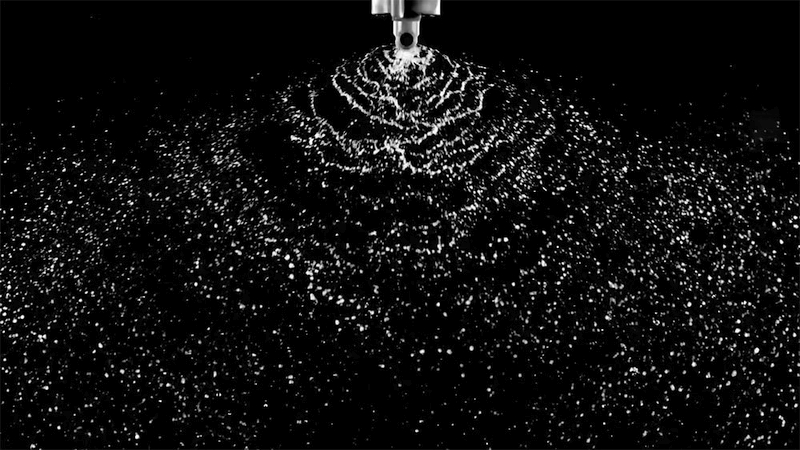
As environmental regulations tighten and growers face mounting pressure to reduce chemical use, precision spraying has moved from a nice-to-have to a necessity. TeeJet Technologies, with nearly 90 years of expertise in spray tip design, is at the forefront of this shift. Debora Latorre, Application Training Lead and Industry Liaison at TeeJet, explains why nozzle technology is central to meeting these demands.
“New farming technologies demand greater precision, and we have evolved our methods to deliver that,” says Latorre. “Our goal is to provide uniform spray patterns and optimal droplet sizes so growers can reduce chemical use, improve efficiency, and minimize drift.”
Why Precision Matters
The Endangered Species Act (ESA) underscores the need for application technologies that limit off-target movement. Drift doesn’t just waste product; it can harm sensitive habitats. High-precision systems like Pulse Width Modulation (PWM) and targeted spraying are designed to solve this problem.
PWM acts like cruise control for a sprayer. “It maintains droplet size and application rate regardless of speed or terrain by maintaining system pressure,” Latorre explains. Conventional systems rely on pressure changes to adjust flow, which shrinks droplets and increases drift risk. PWM uses solenoids to pulse each nozzle, controlling flow without altering pressure. The result: consistent coverage and reduced drift.
Engineering for PWM Compatibility
Not every spray tip can handle PWM’s rapid cycling. “When we approve a nozzle for PWM, it means it can operate reliably across a 30 to 100 percent duty cycle,” says Latorre. “It must instantly form a full spray pattern and shut off crisply to avoid unwanted application.”
TeeJet’s lab testing identified four premium tips that excel under PWM conditions: Turbo TeeJet® (TT), Turbo TwinJet® (TTJ60), Air Induction Turbo TwinJet® (AITTJ60), and
AccuPulse® TwinJet® (APTJ). These tips maintain droplet integrity across a wide pressure range—15/20 to 90 PSI—giving operators flexibility without sacrificing precision.
Targeted Spraying: The Next Frontier
Targeted spray systems take precision further by applying herbicide only where weeds are detected. Using cameras and AI algorithms, these systems can cut chemical use by up to 90 percent. “The technology has been around for decades, but now the market is ready,” says Latorre. “AI and imaging have made real-time decisions possible.”
For nozzle design, this means meeting even stricter performance standards. “Tips must respond instantly, achieve rapid pattern formation, and shut off cleanly,” Latorre notes. “They also need to maintain uniform coverage even when spraying for fractions of a second.”
TeeJet’s portfolio for targeted spraying includes TeeJet® VisiFlo® Flat Spray Tips (TP), Drift Guard TeeJet® (DG) and Drift Guard X Series (DGX). These tips deliver droplet sizes from fine to ultra-coarse, ensuring reliable performance under fast cycling conditions.
What’s at Stake
Precision spraying isn’t just about efficiency; it’s about compliance and sustainability. Technologies like PWM and targeted spraying help growers stay within label requirements, reduce environmental impact, and make high-cost herbicides economically viable by limiting application to problem areas.
For growers looking to upgrade, Latorre’s advice is clear: “Choose spray tips validated for your system. Not all tips perform under PWM or targeted spraying. The right nozzle is the difference between hitting your target or wasting product.”