A Multi-Layered Approach To Water Quality
October 6, 2014
Most farmers are willing to adopt a new conservation practice if they believe that nutrient loss from their fields will have a negative financial impact on their crop production.
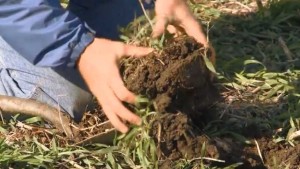
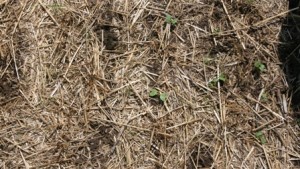
Farmers interested in planting cover crops to improve soil health now have an updated and expanded resource in the second edition of the Midwest Cover Crops Field Guide.
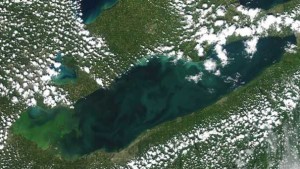
A panel discussion on October 14 will include a significant discussion on key issues and solutions related to all aspects of harmful algal blooms.
Nearly $16 million in Conservation Innovation Grants (CIGs) will be awarded to 47 organizations to help develop cutting-edge ideas to accelerate innovation in private lands conservation.
Certified Crop Advisers are implementing the 4R Nutrient Stewardship Certification program in Lake Erie’s Western Basin to improve water quality.
Farmers with five-year contracts up for renewal must do so by September 12 through the nearest Natural Resources Conservation Service office.
The 2014 Environmental Respect Award winners were honored recently at the 24th annual event in Wilmington, DE.
As growers prepare for another harvest, it’s important to consider how nitrogen stabilization not only supports healthy plant growth but also fosters environmental stewardship.
Leaders of Michigan agricultural organizations said Thursday that the government should not have a “knee-jerk reaction” based on last weekend’s water ban in Toledo due to fertilizer run-off in Lake Erie.
Farmers using cover crops as a soil conservation method can remove much more corn stover per acre for biofuels or other uses, while potentially increasing their income, according to Purdue University research.
Monsanto Co. and The Climate Corp., its division, recently joined a roundtable of experts at the White House to share ideas and research approaches to help the world’s farmers manage and adapt to the impact of climate change on the global food supply.
The practices that are eligible for funding include cover crops, no-till or strip till and using a nitrification inhibitor when applying fall fertilizer.
As scientists prepare for the coming season of potential algae blooms on Lake Erie, nutrient service providers have been signing up for the 4R Nutrient Stewardship Certification program at a steady pace.
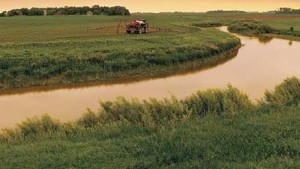
NRCS announces the commitment of $50 million in resources for the 25 million-acre Red River watershed in Minnesota, North Dakota and South Dakota.
More than $2 million is earmarked for projects to conduct research and provide demonstrations on the impacts of 4R nutrient stewardship.
EPA official Nancy Stoner published a blog post seeking to clarify the requirements for agriculture under EPA’s proposed “Waters of the U.S.” rule.
A new Stewardship Special Edition throws a light on how agricultural retailers and distributors in the U.S. and worldwide are demonstrating their commitment to the environment, safety and security, and facility best management practices.
Producers with expiring USDA Conservation Stewardship Program contracts until September 12, 2014 to renew and add conservation activities.
Delta F.A.R.M. will establish at least five Operation Pollinator plots throughout Northwest Mississippi, with plans to grow the program annually through 2016.