The Ohio Agribusiness Association Mantra: Listen. Learn. Engage.
 April 7, 2025
 On June 3, 2024, Melinda Witten was formally appointed the President/CEO for the Ohio Agribusiness Association (OABA). To Witten, this move seemed predestined.
“I’ve always admired OABA and its ability to address issues quickly,” she says. “I also valued [previous President/CEO] Chris Henney and the work he had done while heading the association.”
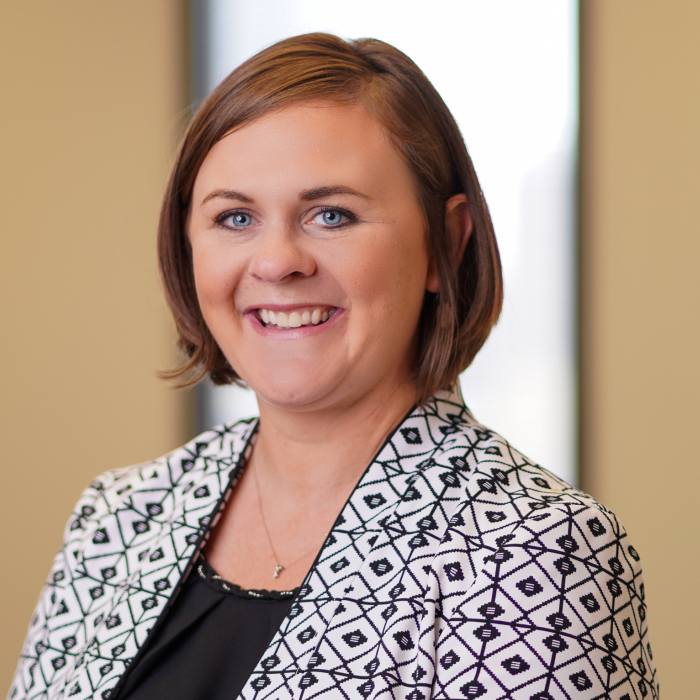
Melinda Witten, OABA.
Being a long-time member of the agricultural community herself, Witten has had plenty of opportunities to see OABA in action over the years. For the previous 20 years until joining OABA in 2024, she worked at the Ohio Farm Bureau, first interning at the organization during her four years in college and then staying there full-time once she graduated.
In addition, Witten is also married to a produce and grain farmer in the Buckeye state.
Now that she is in charge of OABA, Witten’s plans for herself and the organization could be seen as contrasting one another — a mixture of measured and bold approaches. Now less than one year into her term, Witten plans to spend the 2025 growing season listening and learning from OABA members.
“Sometimes, it takes several questions and conversations to understand the root of an issue important to our members and those in the agricultural world,” she says. “I really want to spend a lot of time this year focusing on member visits, to listen and learn about this sector of the industry and the issues they are facing. This way, OABA and I can effectively lobby on their behalf.”
However, when it comes to OABA’s overriding approach, Witten says the association will be very forward-thinking and aggressive.
“If I had to pick one word to describe OABA today, it would be engaged,” she says. “Our members know that they have a resource and connections on their behalf when there’s an issue, when there’s a concern. OABA is truly engaged and wants to be engaged with what our members are doing on a daily basis.”
The Key Issues
When CropLife® magazine caught up with Witten and OABA, the organization was just in the midst of its 2025 annual meeting, held in late January near Columbus, OH. According to Witten, she spent much of the time during this event listening and learning from attendees and members what their key concerns were going into the 2025 growing season. In all, two key issues stood out from the rest.
“The biggest issue right now involves trade and proposed tariffs,” she says. “Most people understand what these can do to the grain side of agriculture, but most probably don’t think about how tariffs on crop inputs can be affected. There are several goods and services that rely on the import of raw materials to make this industry work.”
For instance, Witten points out that when it comes to crop nutrition needs for American growers, potash is an important crop input in any season. “Based upon the numbers, approximately 90% of the potash used in U.S. crop fields comes from Canada,” she says. “So increased tariffs on these would be detrimental.”
The second key issue for OABA members is, not surprisingly, finding employees. “Within our industry, there are lots of seasonality when it comes to finding and keeping workers,” says Witten. “Our members have said that finding a solid, secure workforce is very important. So OABA is working with organizations such as the Ohio FFA Association and the Ohio Farm Bureau Foundation to find new ways to connect our members with potential future employees.”
Looking further out, Witten is already planning for some changes at OABA. For one thing, the association’s annual meeting attendance has gotten so large that it has outgrown its current host hotel. “We have a new venue in mind of the 2026 annual meeting,” she says.
Longer term, Witten hopes to position OABA for many years of successful engagement on behalf of its members — even after her time with the association has ended.
“I would hope my legacy to OABA is that we have, and will continue to, work tirelessly on behalf of our members to address the issues important to them,” she says. “When all is said and done, I hope that they know they had a partner to address everything they needed to be addressed. And a little bit more on top of that.”
Subscribe Today For
