State lawmakers on Wednesday finalized new rules designed to curb toxic algal blooms on Lake Erie, calling the regulations a major step forward in addressing the problem.
The Agricultural Retailers Association is hopeful Beltway gridlock will lessen in 2015, allowing some key agricultural initiatives to gain legislative ground.
More than 300 Ohio AgriBusiness Association (OABA) members and industry professionals were on hand to engage in collaborative learning and networking at the organization’s third annual Industry Conference, February 4-5, in Columbus, OH.
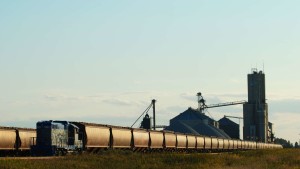
The committee hearing, “Freight Rail Transportation: Enhancing Safety, Efficiency, and Commerce,” looked at challenges facing our nation’s freight rail network created by higher demand, rules and regulations and infrastructure needs.
Dave Dufault, Vice President and General Manager of J.R. Simplot Company’s Retail Business, was installed as the 2015 Chairman of the Board for ARA on December 4.
The threatened end of cash subsidies to the nation’s row crop farmers dates back through at least the last two iterations of national agriculture policy legislation.
The new Supplemental Coverage Option, available through the federal crop insurance program and set to begin with the 2015 crop year, is designed to help protect producers from yield and market volatility.
The new five-year Farm Bill eliminates many of the direct payments previously payed to growers and could benefit from USDA clarification, reports a Toledo Blade columnist.
The bill provides $28 billion over the next five years for conservation on private lands while streamlining several old programs and creating new ones like the Regional Conservation Partnership Program.
USDA has processed 106,000 payments to farmers in 40 states across the country who suffered livestock and grazing losses between Oct. 2011 and passage of the 2014 Farm Bill.