
Walk through any grower’s organization and you’ll find any number of products: Pesticides, machinery, fertilizer, and the list goes on. All those tools and many more are pointless without the most critical product — seed.
For millenniums growers have selected the seeds they believe provide the best opportunity for success. While that hasn’t changed, science has helped growers maximize their yield.
“Having more tools that can help increase profitability and productivity for farmers, and that’s a great thing,” says Ryan Myers, Brevant Seeds U.S. Brand Leader. Brevant is owned by Corteva Agriscience. “As new technologies come to market, differentiation between trait offerings will be more important than ever and understanding the key differences of trait technology is going to be more complex.
“The launch of Enlist E3 soybeans was one of the first strong signals to the market that things are changing,” Myers continues.
“New choices that include the Enlist trait in corn are being introduced,” Myers continues. “As an example, Brevant seeds recently launched large commercial volumes of Vorceed Enlist corn and PowerCor Enlist corn through ag retail, which offers differentiation in insect control, herbicide tolerance, and genetic performance. Understanding the differentiation will be critical for seed sellers.”
Technology offers seeds the ability to survive and thrive despite a vast variety of challenges.
“2024 was a unique year with a wide range of weather challenges — some areas had drought, and others were hit with rain that caused late planting,” says Tracie Gogolin, Wilbur-Ellis Vice President of Seed Technology. “It was one of the biggest swings in planting dates we’ve seen in some time which affected maturity and pollination dates.
“We grew our seed business, so our expectations were met, but the growth didn’t necessarily follow our predictions,” Gogolin continues. “The growth came because of the weather — with growers switching from corn to soybeans, changes in hybrid maturities, and the fact we had adequate supply to accommodate these changes. We also had a great opportunity for cover crop and small grain sales this year, and the successful launch of our new FORTUS brand soybeans, which contributed to our growth.”
Seed Kings: Corn and Soy
“Syngenta’s seed division capitalized on the momentum for its collection of corn and soybean offerings,” says Eric Boeck, Regional Director North America Seed.
“We had new corn hybrids (Golden Harvest, GHX, NK Seeds, and Enogen) delivering broad adaptability, strong agronomics, outstanding roots and stalk strength, great late-season health, and top-end yield potential,” Boeck says. “And our new soybean varieties combined elite genetics with the industry’s broadest soybean herbicide trait choices, for more flexibility and high yield potential.
“These innovative new products drove yield improvements this season for many farmers and validated the results of the approximately $400 million in investment we put into our seed business since 2018,” Boeck says. The performance potential of our seed products continues to put farmers in a position to more effectively overcome the challenges they face each season and be more productive.
“That’s been particularly important this past year, considering the low commodity prices, the economy, weather, and pest pressures farmers faced in 2024,” Boeck continues. “We had great yield reports from areas like Iowa, Illinois, and Nebraska and that’s where we raise a lot of seed. Combined with another strong class of new seed products, the stage is set for continuing that momentum into next year.”
There are a variety of factors that have influenced seed choices over the past several years.
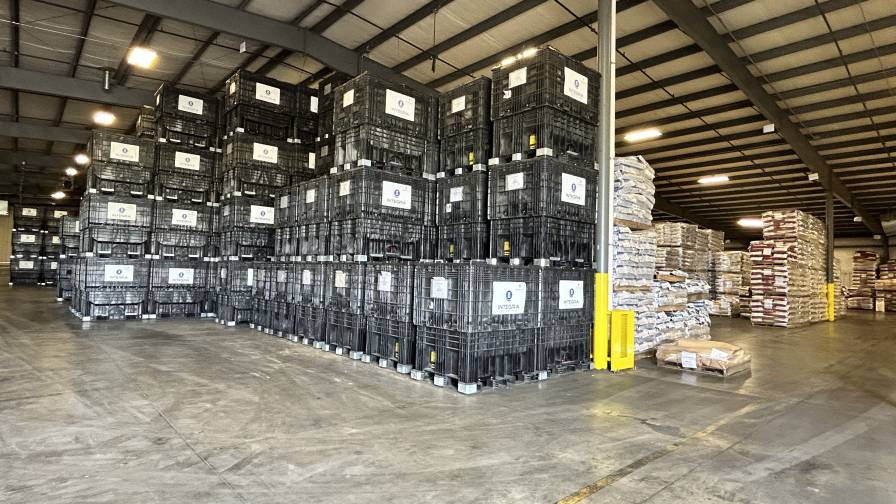
“Mergers and acquisitions have changed the seed industry; however, we’ve seen this drive growth in research and development,” says Wilbur-Ellis’ Gogolin. “The number of biotech patents in agriculture is outpacing other industries. It is exciting to be part of the innovation and rapid development of biotech products we will deliver to our customers.”
For those reasons, and many more, it’s key for growers to work with credible advisors.
Retailer’s Role
“Agriculture has transformed dramatically over the last 20-plus years, but the way seed is sold hasn’t kept up,” says Syngenta’s Boeck. “Syngenta Seeds recognizes the needs farmers have for a more modernized approach to seed buying each season, one created based on how they want to do business, the challenges they face, and their need for more flexibility.”
“The role of the retailer has changed dramatically with the rapid advancement of new agricultural technology and products,” Boeck continues. “Farmers are very good at what they do, and at keeping up with new developments, but retailers are often in a position to help farmers understand how this new technology best fits or should be integrated into their specific farm.”
Wilbur-Ellis’ Gogolin agrees with that assessment.
“Retailers are more involved in the seed decision than ever,” she says. “At Wilbur-Ellis, our retail agronomists have broad expertise in crop production and are our customers’ trusted advisors. As a retailer, we realized the value of including seed solutions in our retail organization and supporting these products with seed-specific agronomic advice from territory managers and seed-oriented sales staff.”
2025 and Beyond
“Farmers are facing tough challenges as they work hard to produce more despite challenging economics and changing weather patterns causing drought and other environmental stressors,” Brevant’s Myers says. “Farmers need innovative solutions and that is what Brevant seeds is focused on bringing to ag retail through Corteva Agriscience.”
With each passing year, seed technology improves.
“In 2025 and beyond, it’s all about deploying the innovation that we have or are developing at Syngenta Seeds,” Syngenta’s Boeck says. “For instance, we expect to launch the industry’s first 3 Bt protein stack for corn rootworm control in 2026, pending EPA registration. Hybrids with this 3 Bt stack are currently in late-stage testing and will be evaluated for advancement into pre-commercial testing this fall.”
In addition to new products, many companies are tapping technological tools, including artificial intelligence, to enhance their existing offerings.
“The rate of genetic gain is really important for farmers and our rate of gain in the hybrids and the varieties that we’re introducing is having a strong impact on their farms, with higher-end yield potential and improved agronomics” Boeck says. “Also, in addition to the innovation in our corn and soybean product lineup, we are seeing exciting new technological advancements coming to market at a rapid pace that are helping us better serve farmers.
“For instance, we didn’t even have a digital app for GHX two years ago,” Boeck continues. “Now we have that technology deployed for farmers and it’s equipped with artificial intelligence (AI), technology that allows farmers to ask questions and get reliable, accurate information back quickly. So, if you’re out in the middle of your field and you have a cell signal, you can ask a question like ‘What does sudden death syndrome look like?’ and the GHX 2.0 app with Cropwise AI is going to get you the answer right there.”
It’s key seeds and the technology that support them continue to improve.
“Everyone anticipates next year will be challenging for agriculture,” says Boeck. “Corn and soybean commodity prices are down, and interest rates, while starting to come down, are still high, which increases the cost of borrowing money. We know farmers need to make wise decisions to best manage their family operations for success. They also need industry partners who recognize the pressures out there and who can come alongside and help them leverage or spread their capital.”
In addition to tech advances, growers are influenced by things beyond their control.
“Commodity prices will always be a subject of concern and discussion,” says Wilbur-Ellis’ Gogolin. “We will continue to support our customers and provide options and opportunities to enhance their ROI.”
Opportunities
“When we think about opportunities to grow, we must consider what new traits and technology have to offer and, more important, understand the impact that genetic gains have on setting up a bright future,” says Brevant’s Myers. “New genetics are not only delivering more yield at an accelerated rate, but they also reduce risk against things like disease and wind events. Today’s competitive environment will reward those who adapt to new genetics first. We clearly see that in Brevant seeds, which is why Corteva Agriscience continues to invest in bringing innovation to ag retail and their customers.”
It’s also why growers need to carefully consider the seeds they purchase.
“Seed is the one thing a grower will purchase regardless of economics or weather conditions,” Wilbur-Ellis’ Gogolin says. “Growth will come from getting back to the basics and teaching our teams the value of seed.”