Insecticide Seed Treatments: Advancing Early-Season Pest Management
 November 12, 2025
 The United Nations Food and Agriculture Organization (FAO) estimates insects cause $70 billion worth of crop damage yearly. And according to one prediction, it’s only going to get worse.
According to the American Association for the Advancement of Science, “models show that for wheat, rice, and maize yield lost to insects will increase by 10% to 25% per degree Celsius of warming, hitting hardest in the temperate zone.”
“In 2025, the insecticide seed treatment industry demonstrated resilience and adaptability amid evolving agronomic challenges,” says Blake Murnan, Director of Seed Applied Technologies at CHS. “The sector remained robust, with steady demand driven by growers’ ongoing commitment to protecting seed investments. Notably, the industry experienced a shift toward newer chemistries. As growers faced fluctuating pest populations and variable environmental conditions, the adoption of innovative seed treatment solutions became integral to overall crop protection strategies.
“Insect pressure generally exhibits cyclical patterns when compared to other factors such as fungal pathogens,” Murnan continues. “This often raises the question of whether the use of insecticide is necessary. While this is an important consideration, it is equally imperative to evaluate the level of risk acceptable should significant insect pressure occur and negatively impact yield. For 2025, growers operating in regions with a history of notable insect pressure continue to incorporate insecticides into their seed treatment strategies to safeguard their seed investment.”
According to the Wild Animal Initiative, 100 million acres of American farmland are treated with insecticides, killing or harming an estimated 3.5 quadrillion insects.
“Insecticides are critically important to ensuring a robust and uniform stand across many crops, and the highly targeted application that seed-applied insecticides offer,” says Brent Lackey, Head of Syngenta Seedcare and Biologicals Product Marketing. “For example, all corn acres, 95% of soybean acres, and 40% of cereal acres receive an insecticide seed treatment in the U.S. market. Neonicotinoids comprise the vast majority of these insecticide seed treatments, as they are effective on insect pests both above and below ground during plant emergence and early development. To a lesser degree, the diamide class of chemistry has seen adoption in crops such as rice and canola.”
New Technology
“The seed treatment market is crowded with countless offers from multiple sources,” Nick Trumble, Wilbur-Ellis Seed Treatment Strategy Lead. “Embracing new technologies and having the knowledge to position them on the right acre will be crucial to success in the upcoming seasons.”
While new solutions entering the market yearly, knowing which pests are most likely to appear (and preparing for invasive species) is key.
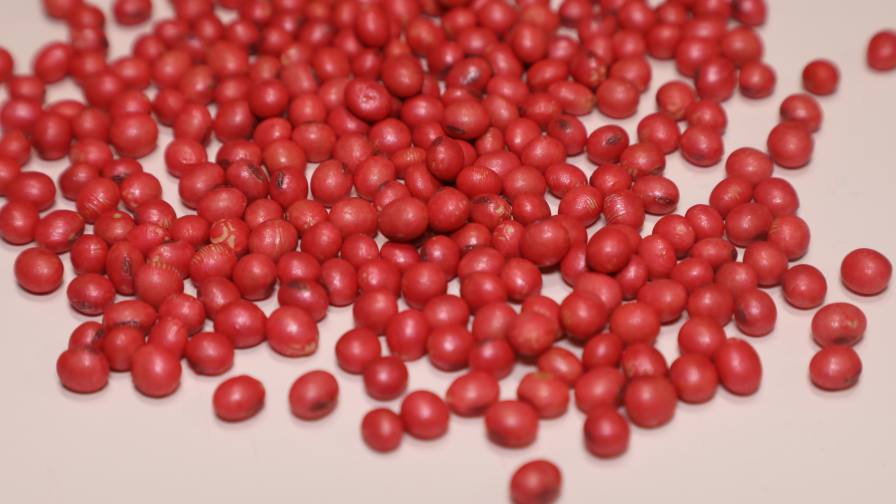
Syngenta’s CruiserMaxx APX seed treatment delivers broad spectrum, early-season disease and insect protection for soybean seedlings.
“The biggest opportunity for insecticide seed treatment is new innovation coming from Syngenta with Plinazolin technology,” says Lackey. “As wireworm damage continues to challenge cereal and pulse growers with often devastating stand losses, this new technology will offer growers a new wireworm mortality product. As cereals and pulses are rotational crops of each other, wireworm pressure can continue to build year after year in high-production areas.”
Wireworms and armyworms have heightened the need for seed treatment insecticides.
“The prevalence of wireworms in wheat-producing regions from North Dakota to the Pacific Northwest, coupled with a recent armyworm outbreak in Oklahoma, has led to heightened demand for newer diamide and meta-diamide chemical solutions,” CHS’ Murnan says. “We expect to see continued steady use on insecticides as part of a comprehensive seed treatment plan.
While the technology supporting seed treatments continue to advance, Murnan believe that the introduction of artificial intelligence into the process could produce some positive results.
“The main challenge for insecticide use in seed treatments is balancing necessity, cost, and potential drawbacks,” Murnan says. “STI Customized from CHS enables customers to adjust insecticide levels in seed treatments based on actual need, providing flexible management for various scenarios.”
Subscribe Today For
