Triumphs and Tribulations: The 21st Century Story for Crop Protection and Seed

 Editor’s Note: As we mark the first 25 years of the 21st century, CropLife reflects on the innovations, challenges, and transformations that have shaped ag retail — honoring our past while looking ahead to agriculture’s promising future. In this article, we explore how advancements in crop protection and seed technologies have faced public scrutiny, regulatory hurdles, and biological challenges — and what that means for the future of weed control and biotechnology.
For the crop protection/seed businesses, the past quarter-century have been witnesses to plenty of formulaic and genetic advancements. And almost without fail, each and every one of these has been criticized as “dangerous” by special interest groups and, in some cases, the general public as well.
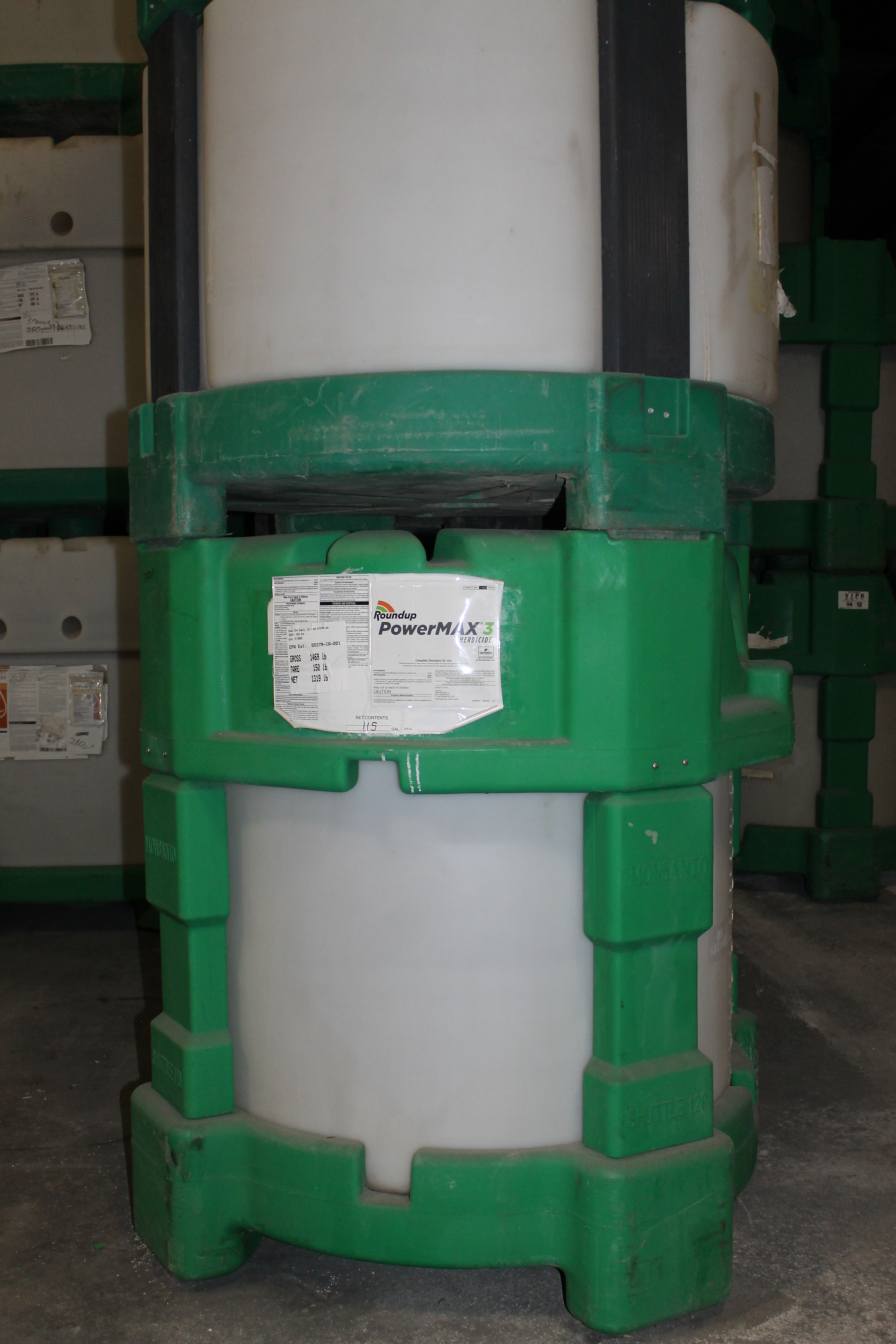
Monsanto’s (now Bayer’s) Roundup brand glyphosate has been involved in thousands of lawsuits since the 21st century began.
This “innovation leads to attack” pattern started almost as soon as the calendar flipped through the first months of the 21st century. By way of some background, crop protection products/seed suppliers had revolutionized the agricultural business in the mid-1990s with their introduction of genetically-modified seeds for row crops. These crops were engineered to be resistant to one of the most popular herbicides at the time, glyphosate. By the turn of the century, Roundup brand glyphosate maker Monsanto had built up an impressive market share in agriculture through its Roundup Ready cropping system. And other ag-oriented companies joined in on this “biotech movement.”
However, not everyone viewed these engineered seeds with confidence. From almost the onset of the introduction of biotech crops, many groups called into question their safety for consumers, dubbing them “frankenfoods” because of their genetically-modified nature.
It was partial for this reason that another ag company, Aventis CropScience, limited the consumption of its StarLink corn hybrid for livestock and not humans. One of the proteins used to engineer the brand was shown to sometimes cause “negative reactions” in humans. This meant the StarLink corn grown in the market was only to be sold for animal feed.
However, in fall 2000, a random test of Taco Bell taco shells distributed by Kraft Foods was found to contain StarLink corn’s genetic profile. Immediately, Aventis halted all sales of StarLink corn and launched an investigation into how this mix-up had occurred. By November 2000, Aventis had cancelled the registration for StarLink corn and offered to buy up all harvested corn from U.S. growers from the 1999 and 2000 growing seasons. By 2002, having racked up more than $1 billion in losses from StarLink, Aventis sold its crop protection business to Bayer.
Still, the damage to the biotech crops movement had been done. Industry critics had found their smoking gun (or in this case, taco shell) that “Big Agriculture” wasn’t being honest with consumers. This has kept biotech crop use from expanding beyond its original regions of North and South America almost a quarter of a century past “the StarLink Incident.”
The Rise of Weed Resistance
Another blow to the glyphosate/Roundup Ready cropping system occurred shortly after the StarLink affair was over. In 2001, a grower in Delaware noticed a marestail weed in his crop field that hadn’t been killed by a glyphosate application. A few months later, after testing, weed scientists confirmed this type of marestail was indeed resistant to glyphosate. Thus began the spread of weeds across the globe that could not be controlled through herbicide applications.
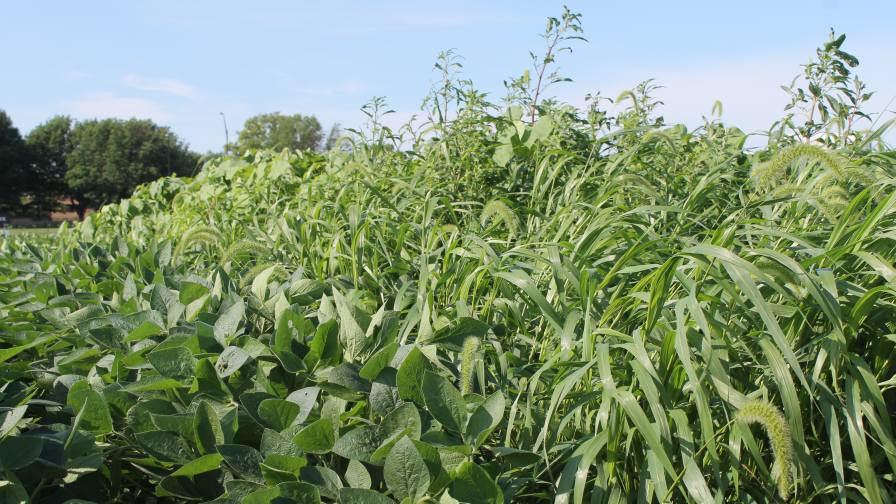
From one species discovered in 2001, resistant weeds have exploded across the globe over the past 25 years, now numbering 534 unique cases of herbicide-resistant weeds globally, with 273 species.
Today, almost a quarter of a century from that first find, the International Herbicide Resistant Weed Database reports that there are 534 unique cases of herbicide-resistant weeds globally, with 273 species. In all, weeds have developed resistance to 21 of the 31 known herbicide sites of action and to 168 different herbicides. Herbicide resistant weeds have been reported in 101 crops in 75 countries.
“There’s been an intensity of weed resistance year-over-year,” observed David Elser, Region Head, North America at UPL NA Inc., in a 2025 CropLife® Magazine interview. “And this has happened not only in the classes of chemistries that weeds have developed a resistance to, but multiple resistances have developed in some really problematic weeds such as waterhemp.”
“The problem of herbicide-resistant weeds is not going away,” said Travis Gustafson, Agronomy Service Representative at Syngenta Crop Protection, in that same article. “What we are really trying to do these days is help educate people on developing effective weed management strategies to fight the spread of resistant weeds. We recommend users use full rates and multiple modes of action products in their crop fields.”
In particular, two weeds – waterhemp and Palmer amaranth – have shown resistance to multiple herbicides. One of the reasons Palmer amaranth and waterhemp have been so difficult to control has to do with their biologizes.
“Both of these weeds are incredibly prolific,” said Drake Copeland, Technical Service Manager, Kentucky and Tennessee, at FMC Corp, in a 2025 CropLife interview. “The amount of seed each plant can produce in a season is mind-boggling – from half a million to one million per year per plant. And each of these seeds is only the size of a period in a newspaper, so they are easily spread when growers run their equipment such as combines through the field.”
To combat these quickly evolving weeds, many crop protection product manufacturers have introduced new herbicide options in recent years. Many of these are “cocktail mixes” for three or four existing active ingredients blended in novel ways.
Looking beyond the 2025 growing season, there are several new herbicides awaiting EPA approval before making their market debuts. One of these is Convintro from Bayer Crop Science. Containing the active ingredient diflufenican, Convintro is a Group 12 herbicide (inhibiting pigment synthesis) that has been used in wheat in Europe for several years now.
Another new Bayer offering is icafolin-methyl. Icafolin belongs to a new chemical class with what the company calls a novel mode of action.
“Treated weeds become ‘frozen’ in the fields, meaning they stop competing with crops for water, nutrients and sunlight, but the dead weeds remain in the field longer because they largely maintain their structure,” said Mike Graham, Head of Research & Development for the Crop Science division of Bayer, in a press release announcing the new herbicide. “This creates a mulch layer that helps prevent erosion and trap moisture in the soil. By providing effective weed control it reduces the need for tillage, supporting regenerative practices in agriculture that can improve soil health.”
Bayer expects to have approval for icafolin by 2028 in a few countries. More widespread approvals should follow by the early 2030s.
Subscribe Today For
