Widespread herbicide resistance is keeping new actives and reformulated herbicide products center stage for ag retailers helping growers keep their fields clean and productive.
The product that will give growers of cereal crops, grass seed, alfalfa and managers of rangeland and non-cropland areas access to a new biological herbicide for suppression of downy brome.
Acuron was tested at 167 trial locations across 35 states. Trials included 95 Syngenta locations, 54 university locations and 18 distributor locations.
As Roundup Ready PLUS enters its fifth growing season, Monsanto is diversifying the range of tools available to farmers to protect their crops from yield-robbing weeds and insects.
The agreement extends their strategic partnership in Monsanto’s Roundup Ready PLUS Crop Management Solutions platform for soybeans and cotton in the U.S.
Herbicides applied in the fall often can provide improved control of many winter annual weed species compared with similar applications made in the spring, according to a University of Illinois weed scientist.
Huapont-Nutrichem Co. Ltd., a fast-growing Chinese pharmaceutical and agrochemical manufacturer, said it will buy a minority stake in Albaugh, the privately held off-patent crop protection giant.
The Flush after Flush Photo Finish contest encourages farmers across the U.S. to participate through Instagram or Twitter using the hashtag #FlushAfterFlush.
DuPont Afforia is a preplant herbicide for soybeans and other field crops that provides excellent burndown and residual control of many challenging weeds, such as marestail and waterhemp.
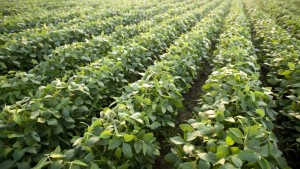
When growing soybeans, growers need to think ahead to stay one step ahead of weeds. That means examining weed threats and evaluating which herbicides work best.
Designed for use with the Enlist Weed Control System, the app is a precision agriculture tool for maximizing weed control performance, managing weed resistance and making responsible applications of Enlist Duo herbicide with Colex-D Technology.