5 Safety Fundamentals That Protect Anhydrous Ammonia Handlers
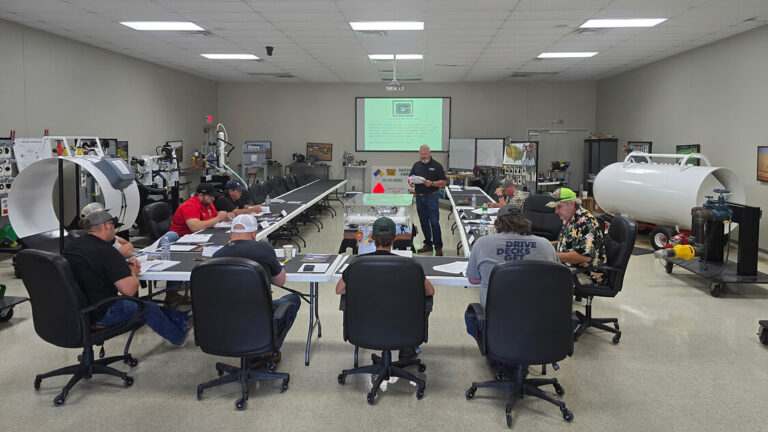
Asmark Institute offers a Signature Training program focused on safety. Pictured is the safety course in the Ammonia Room at the Agricenter in Bloomington, IL. Photo credit: Asmark Institute
Anhydrous ammonia is a critical component in the agriculture industry, and its handling demands rigorous knowledge, strict adherence to safety protocols, and proactive maintenance practices. Failures in ammonia systems can lead to serious injuries, environmental releases, equipment damage, and regulatory violations. For this reason, targeted, hands-on training is vital for anyone responsible for operating or maintaining these systems.
Stories from the field demonstrate why anhydrous ammonia training is so important for ag retailers and applicators. In one case, a Kansas grower was preparing to apply anhydrous ammonia when a hose burst during set-up. The sudden product release blew off his goggles, causing severe chemical burns to his face and eyes. He was left legally blind and unable to continue farming. While no safety practice can prevent every accident, conducting a thorough pre-use inspection and following the “when in doubt, change it out” rule could help reduce the risk of equipment failures and similar incidents.
Another incident involved the failure of a small O-ring on a metering system during a routine filling operation. The sudden release of anhydrous ammonia caused severe burns to a worker. This incident serves as a reminder that even small components can become critical points of failure if they are worn, damaged, or overlooked during inspections. Replacing questionable parts before they fail is one of the simplest and most effective ways to help prevent a serious release.
Safety Mindset and Best Practices
Nurse tank failures have also proven deadly. In Iowa, a weld failure on a nurse tank caused a major release during filling, resulting in a worker’s death several days later. These incidents highlight the importance of identifying and addressing weak links before they lead to catastrophe.
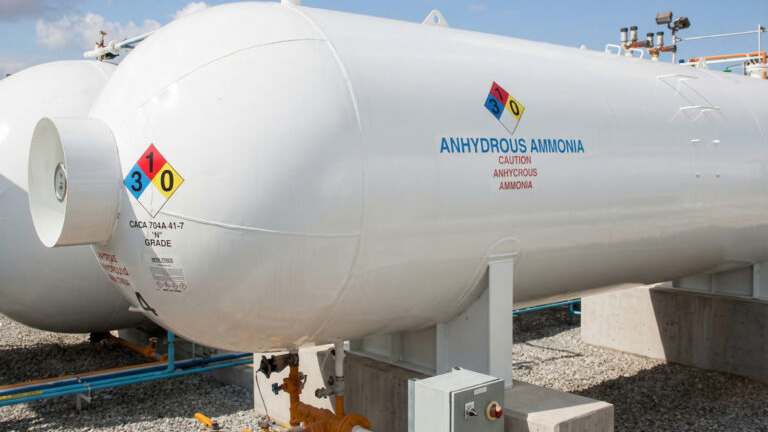
Every piece of ammonia equipment should be treated as a serious safety responsibility. Photo credit: Asmark Institute
Every piece of ammonia equipment should be treated as a serious safety responsibility. Users should always assume it is pressurized and never place themselves in the line of exposure, such as directly over a hose-end valve. They should always wear the appropriate personal protection equipment (PPE) when handling or servicing equipment. Maintaining a constant awareness of the potential hazards associated with ammonia systems is critical to prevent injuries and equipment failures. Even after a system has been purged of ammonia, it can still repressurize if the system is closed and left unattended.
By following a few fundamental safety practices, employers can significantly reduce the risk of exposure and help ensure that every employee returns home safely at the end of the day.
- Always Wear the Proper Personal Protective Equipment (PPE)
Employees working with anhydrous ammonia should wear the appropriate PPE for the task being performed. At a minimum, this includes unvented chemical splash goggles, long sleeves and long pants, and chemical-resistant gloves with the cuffs rolled down. - Always Have Water Readily Available
Immediate access to clean water is critical in the event of an exposure. Emergency water supplies should be located near all filling stations, and nurse tanks should carry at least five gallons of readily accessible emergency water. Quick response can greatly reduce the severity of an injury. - Always Stay Upwind During Operations
One of the most important precautions when working around anhydrous ammonia is maintaining an upwind position whenever possible. Because wind direction can change unexpectedly, employees should remain aware of changing conditions and continually assess their surroundings while handling the product. - Always Inspect Equipment Before Use
Many ammonia-related incidents are the result of equipment failures. Hoses, valves, fittings, and other components should be inspected before each use to ensure they are in good working condition. Routine inspections and proper maintenance can help prevent unexpected releases. - Always Ensure Employees Are Properly Trained
Training remains one of the most effective methods for preventing accidents. Employees should understand the hazards associated with anhydrous ammonia, the proper use of PPE, emergency response procedures, and safe handling practices. Regular training reinforces these concepts and promotes a culture of safety.
Anhydrous ammonia demands respect from everyone who handles it. Through proper preparation, routine equipment inspections, and a commitment to ongoing training, agricultural employers can protect their employees and create a safer work environment for all.
Real-World Lessons: Why This Training Matters
On the positive side, states that strengthened anhydrous ammonia handler training requirements have seen meaningful reductions in serious incidents. Retailers who invest in ongoing, hands-on training consistently report fewer near-misses, less downtime during peak application seasons, and greater confidence among their teams.
As a nonprofit, Asmark Institute offers a Signature Training program focused on safety. The Ammonia Technician Training Course is built for supervisors, safety personnel, and team members responsible for the operation, inspection, and maintenance of ammonia equipment. The training builds a strong foundation in preventative maintenance while equipping participants with the skills to identify vulnerabilities and address them before they become costly or dangerous problems.
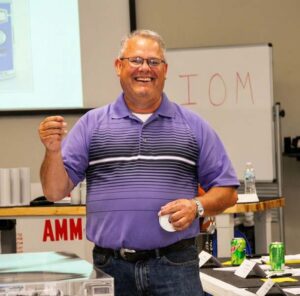
Asmark Signature Training Instructor John Rebholz. Photo: Asmark Institute
Asmark Signature Training combines expert instruction with real-world practice at immersive facilities replicating true ag retail environments. Courses are led by instructors who’ve spent decades in environmental health and safety leadership and education positions and are designed to help teams stay current with evolving EPA, the Department of Transportation, and the Occupational Safety and Health Administration requirements while building practical knowledge that reduces risk and improves day-to-day efficiency.
Secure your spot in Asmark Institute’s upcoming Signature Ammonia Technician Training Course, with the August session approaching and additional training opportunities available through year-end. For more information, visit asmark.org.
Subscribe Today For
