As ag retailers continue to focus on operational efficiency, accuracy, and product stewardship, fertilizer blending and mixing equipment manufacturers are introducing systems designed to help facilities handle greater throughput while maintaining precise formulations. Today’s blending technologies offer a range of features that improve inventory management, automate processes, reduce labor demands, and provide flexibility for handling both dry and liquid products.
1
of
9
1
of
9
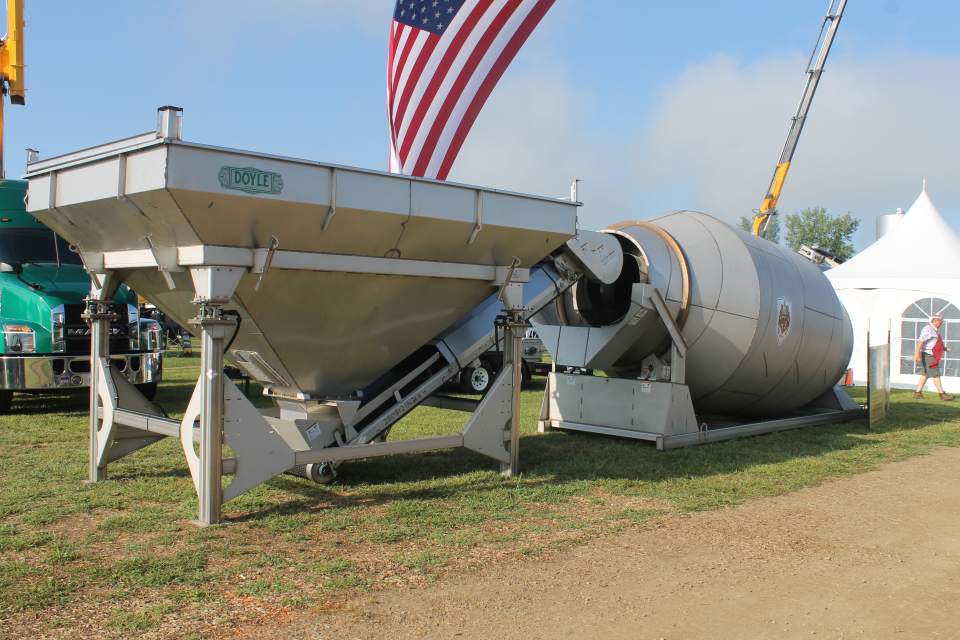
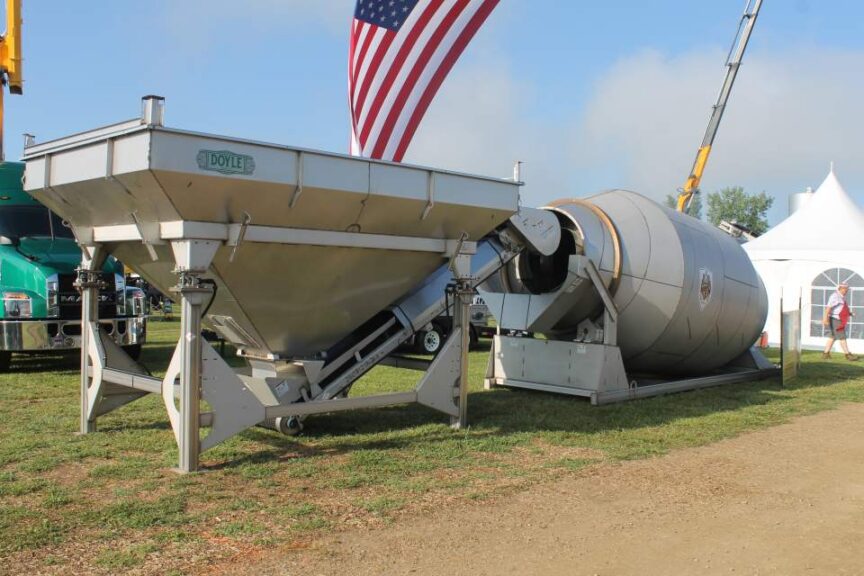
AutoBatch Automated Blending System
Doyle Equipment Manufacturing
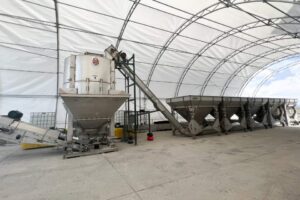
Improve inventory control by capturing the actual weight of each product in the blend or with straight product-direct loadout, says the company. The system reduces operator fatigue by allowing them to operate the system from the loader with an iPad. By utilizing 36-inch product conveyors, this is one of the fastest systems available for blending large volumes of fertilizer, according to the company. The blend drum also can be bypassed to provide for loading unblended product directly to trucks. Doyle’s AutoBatch Blend System will integrate with most agronomy and accounting software programs.
2
of
9
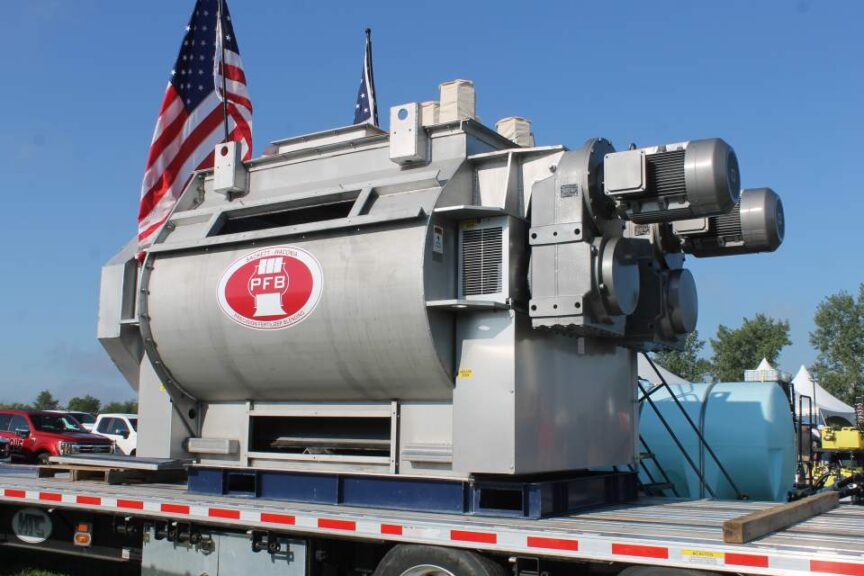
HIM 2.0
Sackett-Waconia
The HIM 2.0 Precision Blender is engineered for speed and precision, says the company. It can incorporate dry, liquid, or powder additives such as biostimulants and inhibitors, all while ensuring rapid, uniform mixing. The unit is built with stainless-steel components.
3
of
9
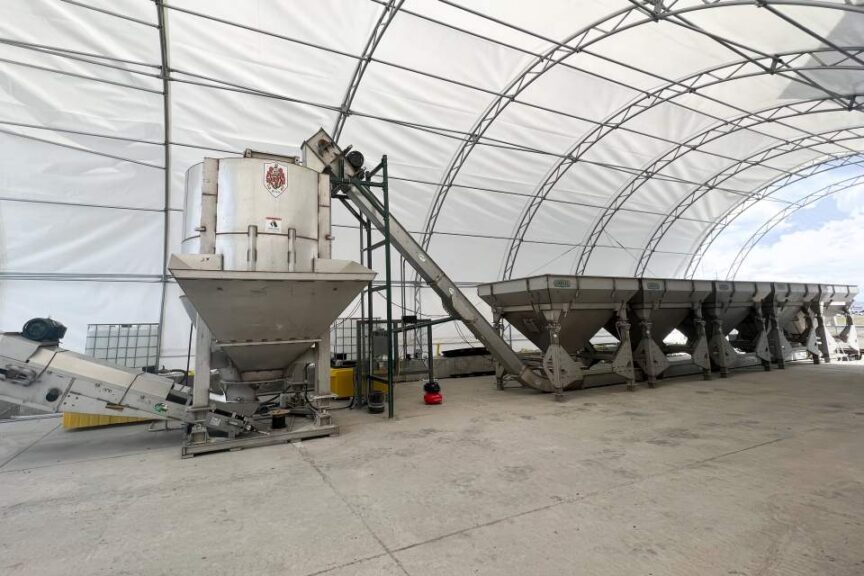
Vertical Blender Autobatch
Doyle Equipment Manufacturing
Doyle’s Vertical Autobatch systems deliver enhanced versatility. Treating the vertical as a "hand-add" vessel lets operators include any desired ingredients, with weights precisely captured through automation in the hoppers or vertical. NTEP-certified and accurate, this system supports up to 200 TPH of straight material, offering the speed and flexibility you need.
4
of
9
Declining Weigh Blend System
Ranco Fertiservice
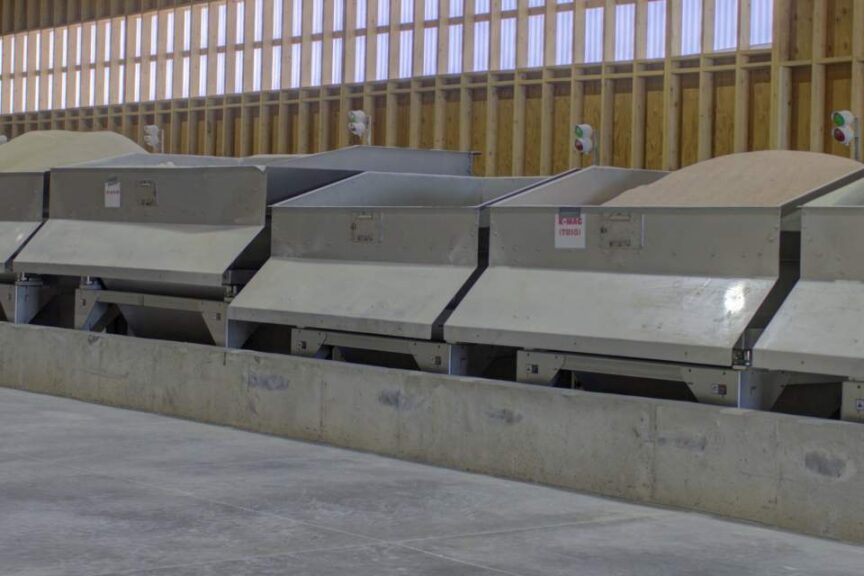
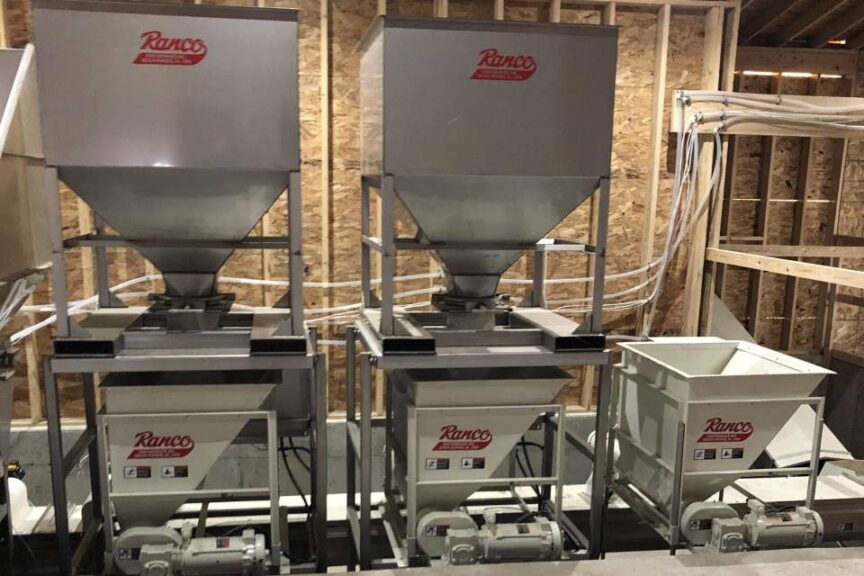
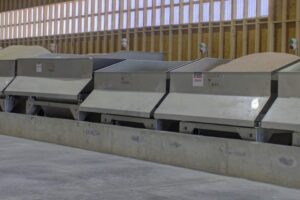
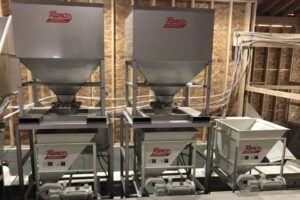
The Ranco Declining Weigh Blending System consists of various sizes of DW Bins (individual product hoppers) under which meter units and a blend conveyor are placed. The system can be designed to fit in with facilities as a retrofit or optimize a new blend facility. According to the company, systems can be designed up to and exceed 350 TPH.
5
of
9
MEI Liquid Mix Plants
Murray Equipment Inc.
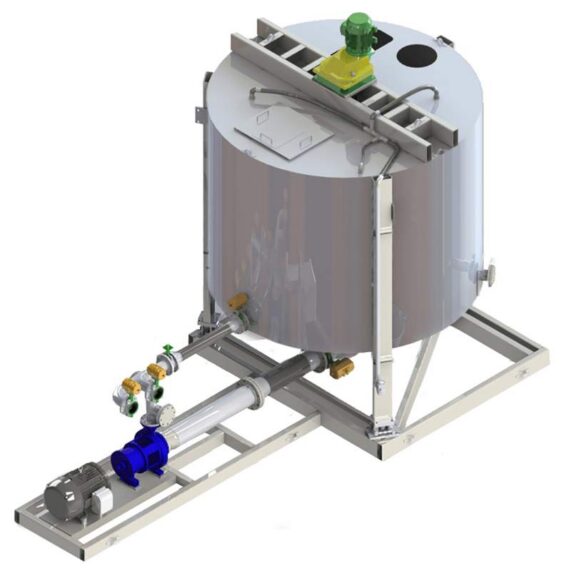
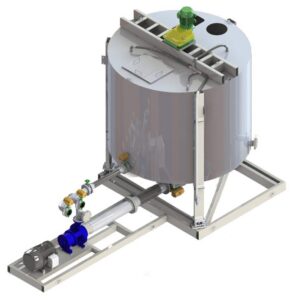
MEI Mix Plants are designed in sizes ranging from 10 to 25 tons, capable of handling 400 to 900 GPM. MEI Mix plants incorporate NTEP-approved components as a point of resale. MEI offers a host of add-ons to ensure manufacturing requirements are met, says the company.
6
of
9
MeshDCS Technology
Ranco Fertiservice
Ranco’s latest innovation is true industrial wireless technology for precise fertilizer blending for the Ranco Declining Weigh dry fertilizer blending system. With MeshDCS, or “Distributed Controls System,” each blender bin connects directly to and cooperates with other blender bins to ensure full and active communication, and the 900 mhz industrial wireless technology provides significant savings on in-plant wiring. This same technology is utilized in railway applications and high importance grain pile monitoring systems, says the company.
7
of
9
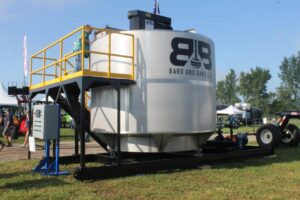
Bard Mix Plant
Bard and Bard
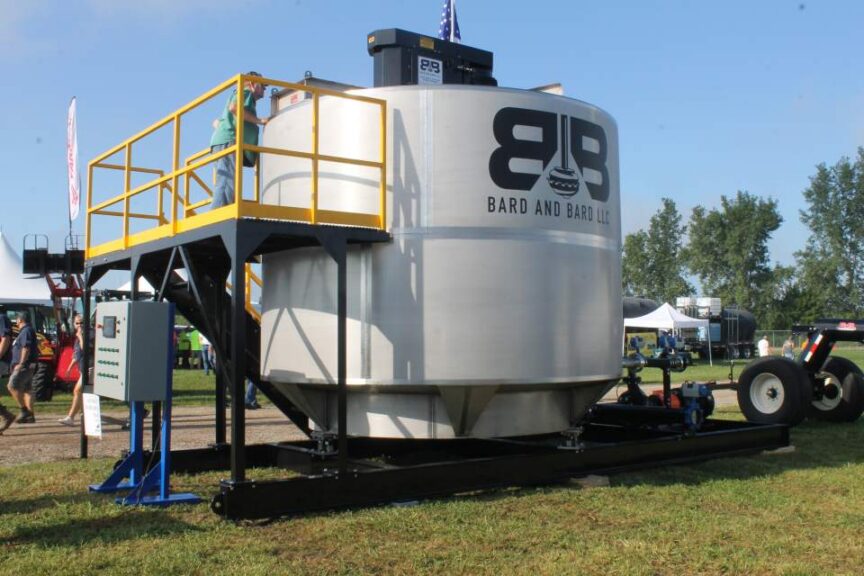
Bard Mix Plants are powered by Vac-U-Mac turbine technology. According to the company, they can in a wide range of sizes, from 75-gallon trail mixers to 6,000-gallon full truckload blenders. Bard Mix Plants are constructed using 304 or 316L stainless steel or mild steel and feature a shallow cone design.
8
of
9
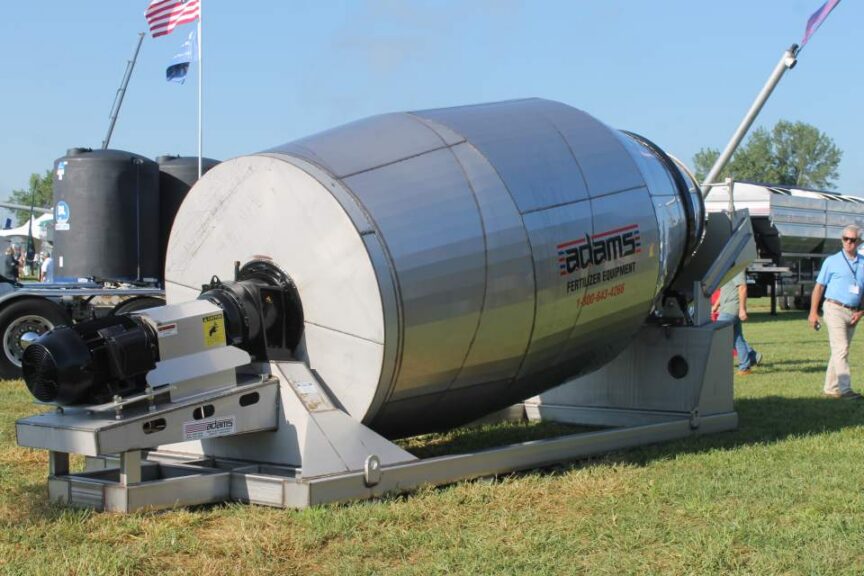
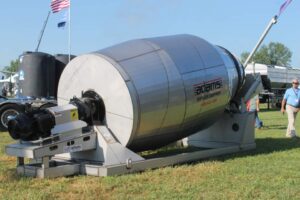
Rotary Blenders
Adams Fertilizer Equipment
With sizes from 10-, 13-, and 16-ton, the Adams Direct Drive Rotary Blender series is likely to have an option to fit your needs, says the company. Standard features include stainless steel internal blending auger, heavy-duty planetary gearbox, TEFC motor, stainless steel four-point load cells, and matching weigh hopper with large digital readout.
9
of
9
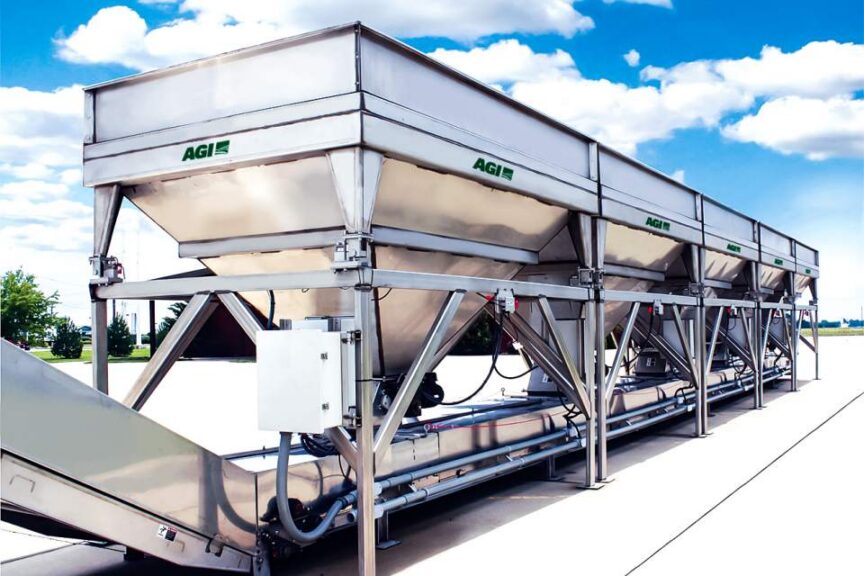
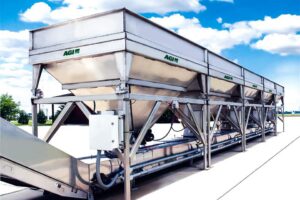
Declining Weight Blending System
AGI Fertilizer
The AGI Declining Weight Blending System is a continuous, multi-feed dry fertilizer blender designed for speed and high-precision metering of commodities such nitrogen, phosphorus, and potassium. It is constructed from double-welded 304 stainless steel and features modular hopper capacities ranging from 1.5 to 30 tons. The system utilizes heavy-duty rotary valves and variable speed controls to meter materials from ounces per minute to tons per hour. The AGI Declining Weight Blending System can add hoppers to expand the multi-feed capabilities of specific bulk blend operations. The entire system can be controlled by a single operator from an electronic keypad or wirelessly via an iPad.
Automation remains a key trend across the category. Doyle Equipment Manufacturing’sAutoBatch Automated Blending System and Vertical Blender Autobatch allow operators to capture accurate ingredient weights while streamlining blend creation and loadout. Both systems support automated operation and integration with agronomy and business software, helping retailers improve traceability and inventory control.
Precision is another common focus. Sackett-Waconia’sHIM 2.0 Precision Blender is designed to quickly and uniformly incorporate dry, liquid, and powder additives, while AGI Fertilizer Systems’Declining Weight Blending System uses high-precision metering and modular hopper configurations to support a wide range of blending applications. Adams Fertilizer Equipment’sRotary Blenders also emphasize accuracy through load-cell weighing systems and durable stainless-steel components.
For high-volume operations, throughput capabilities continue to expand. Ranco Fertiservice’sDeclining Weigh Blend System can be configured to exceed 350 tons per hour, while Doyle’s Vertical Autobatch system supports up to 200 tons per hour of straight material. These systems can be customized for both new construction and retrofit projects, allowing retailers to optimize existing facilities.
Liquid fertilizer manufacturing remains an important segment as well. MEI Liquid Mix Plants from Murray Equipment Inc. and the Bard Mix Plant from Bard and Bard provide scalable solutions for blending liquid fertilizers, with multiple tank sizes and construction options available to meet varying production requirements.
Technology is also playing a larger role in plant operations. Ranco Fertiservice’s MeshDCS Technology utilizes industrial wireless communication to enhance coordination between blending components while reducing installation costs associated with traditional wiring.
Across all product categories, retailers benefit from common advantages such as improved blend accuracy, faster production rates, automation, enhanced inventory tracking, operator convenience, and greater flexibility in handling diverse fertilizer products and additives.
View the photo gallery above to explore these fertilizer blending and mixing systems and see the latest equipment options available to today’s ag retailers.
115Fertilizer Blending Solutions That Support Accuracy, Throughput, and Growth
Subscribe Today For
CropLife IRON® digs deep into product features, news, and specifications – about sprayers, tenders and trailers, nozzles and valves, and fertilizer blenders, and more – that plant and application managers crave. See all author stories here.