Endangered Species Act, Two Years In
May 4, 2026
Entrapment insecticide earns EPA approval for all crops, offering broad pest control and flexible, resistance-conscious applications.
Editors Eric Sfiligoj and Beck Barnes break down what dicamba reauthorization might mean for farmers, present the latest 2026 cotton acreage projections, and preview upcoming shows.
Editors Eric Sfiligoj and Beck Barnes discuss Beltwide Cotton Conference highlights, cotton acreage projections, and EPA’s paraquat reevaluation this episode.
Global acreage cuts may boost U.S. cotton prices, but weak demand lingers. Here’s what ag retailers should watch in 2026.
Eric Sfiligoj and Cotton Grower’s Beck Barnes explore 2026 cotton market trends: Farm Bill delays, rising costs, shrinking farms, and China trade optimism.
USDA forecasts 2025 corn production up 13%, while soybean and cotton output dip from 2024 amid shifting acreage and yields.
Eric Sfiligoj and Lara Sowinski discuss drought-tolerant “InVigor Gold” canola hybrid and join growers on Cotton Incorporated’s Women in Cotton Tour to see how cutting-edge research is redefining fiber.
Eric Sfiligoj and Lara Sowinski discuss grain transportation for rail and barge, ethanol exports, Purdue’s Ag Economy survey of growers, and a possible comeback for U.S. cotton amid growing anti-fast fashion sentiment.
USDA report shows strong corn, soybean progress—cotton lags. Plus, $26M export facility breaks ground and key U.S.-China trade updates.
The Greeneye system has been proven to reduce non-residual herbicide use in farming by an average of 87% compared to broadcast application.
Eric Sfiligoj and Lara Sowinski discuss this week’s Illinois Fertilizer & Chemical Association (IFCA) meeting and provide more updates from the Cotton Beltway meeting.

ATROFORCE features a unique AI that leverages a patented strain of Trichoderma atroviride to deliver protection that grows as the plant grows.
Eric Sfiligoj and Lara Sowinski discuss updates from this week’s big cotton meeting, U.S. export numbers, and an uptick in corn futures.
Corn production is up 10% from last year, forecast at 15.1 billion bushels, while soybean growers are expected to decrease their production 3%.
There are key requirements to keep in mind including use of a pH buffering adjuvant, nozzle selection, proper mixing order and more.
For the nation’s ag retailers and their cotton growing customers, 2020 has presented its own set of market challenges.
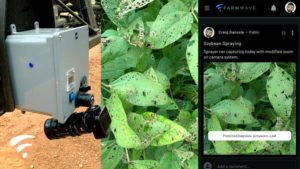
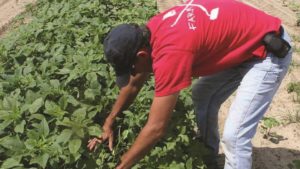
From apps to artificial intelligence, tech is helping agronomists improve scouting accuracy and efficiency.
Using postemergence herbicides to control problematic weeds has been recently successful for Georgia cotton farmers, according to University […]
The USDA today issued its decision deregulating Dow AgroSciences’ Enlist cotton trait in the U.S. The USDA has now […]