
How Purposefully Built Nutrient Solutions Make Every Acre Count:
Agriculture and respective technologies are evolving faster than ever. Growers are managing larger acreage, tighter application windows, and increasingly unpredictable weather patterns. One thing doesn’t change; the crops demand for precise nutrient timing to maximize yield potential and maintain plant health during critical growth stages. These pressures force the industry to rethink how nutrients are delivered.
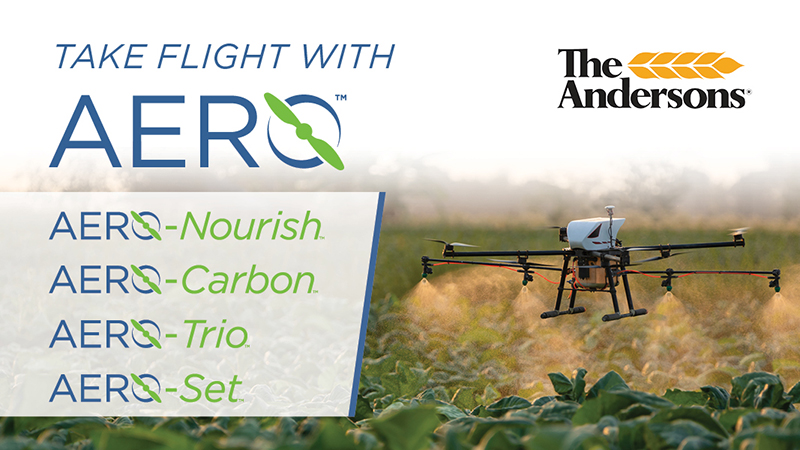
For many growers and applicators, aerial application is becoming one of the most powerful tools available to meet these challenges. Aerial technology, including drones, airplanes, and helicopters, is rapidly expanding its role in crop nutrition. When used strategically, aerial applications allow nutrients to be delivered quickly, precisely, and exactly when crops need them most.
Why Aerial Applications Matter More Than Ever:
Traditional ground rig application methods still play a critical role, but they come with limitations. Wet fields, compaction risks, mature crops, narrow timing windows, and large acreage can make ground applications difficult. Aerial application eliminates many of those barriers. By delivering nutrients from above, growers can apply critical inputs without waiting for ideal field conditions, ensuring crops receive a boost exactly when they need it. This timing advantage can make a measurable difference in crop performance, particularly during rapid vegetative growth, reproductive development, or periods of environmental stress.
Efficiency That Covers More Acres:
True efficiency of aerial applications depends heavily on the products being applied. Many traditional liquid fertilizers were developed for ground-based sprayers and require higher use rates and larger carrier volumes. These high application rates limit the number of acres that can be treated per load, increasing turnaround time and reducing applicator productivity. For aerial applicators, those inefficiencies quickly add up. To maximize the benefits of aerial application, applicators need products that are engineered and designed specifically for the air.