Nitrogen remains one of the largest line items in growers’ fertility budgets and one of the least predictable. Shifts in weather, soil conditions, and application timing all influence how much nitrogen actually reaches the crop. When losses occur, so do missed bushels. That pressure is pushing more growers to rethink how they protect their investment.
“Margins are tight, and commodity prices move quickly,” says Cody Hornaday, a technical agronomist at Koch Agronomic Services. “Growers need confidence that the nitrogen they apply will still be there when the crop needs it. Stabilizers give them a way to manage that risk.”
Why Stabilizers Matter
Nitrogen is both essential and vulnerable. It can escape through ammonia volatilization, be washed away by leaching, or be converted into forms that denitrify in warm, wet soils. Once lost, it cannot be recovered.
Hornaday explains the cost clearly. “When nitrogen is lost, growers leave money in the field. Stabilizers slow the processes that cause loss, keeping more nitrogen in the root zone and available during critical growth stages.”
Insufficient nitrogen limits root development, reduces vigor, and increases stress. Even modest nitrogen volatilization can reduce yield potential. Keeping nitrogen stable improves
efficiency and supports stronger performance throughout the season.
Managing Weather and Timing Risk
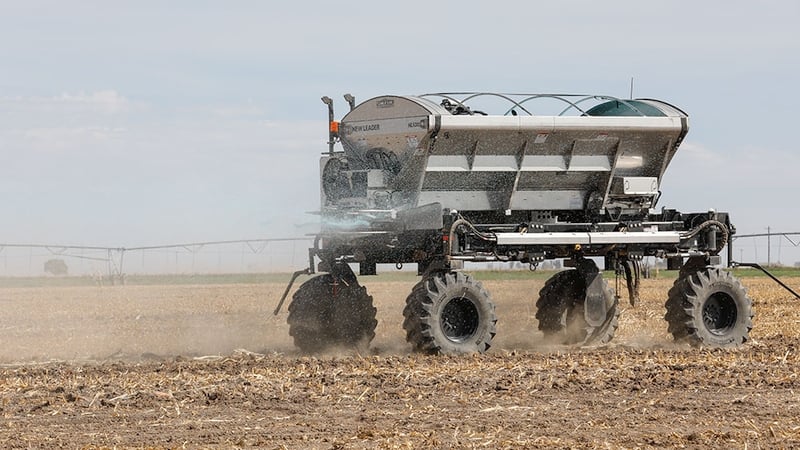
Even well‑timed applications face uncertainty. A single rainfall event or a period of warm, saturated soils can accelerate nitrogen loss.
“One thing growers sometimes underestimate is how quickly conditions can shift,” Hornaday says. “Warm, moist soils accelerate nitrification long before peak crop demand. That is where stabilizers earn their keep.”
Hornaday notes that stabilizers add value across both spring and fall programs. By slowing the conversion of ammonium to nitrate, nitrification inhibitors slow the conversion to the form most prone to leaching and denitrification. This protects the nutrient until roots can take it up, delivering steadier performance and fewer surprises for growers.
Choosing the Right Stabilizer
The right product depends on the nitrogen source, placement, and the primary loss threat.
For urea or UAN applied to the surface or shallow banded, volatilization poses the greatest risk. In no‑till or high‑residue systems, that risk is even higher. Hornaday recommends a urease inhibitor for these conditions.
“ANVOL™ nitrogen stabilizer helps delay urea hydrolysis and reduces volatilization across a wide range of soil environments,” he says. “Its dual-active ingredients, Duromide and NBPT, provide longer‑lasting protection.”
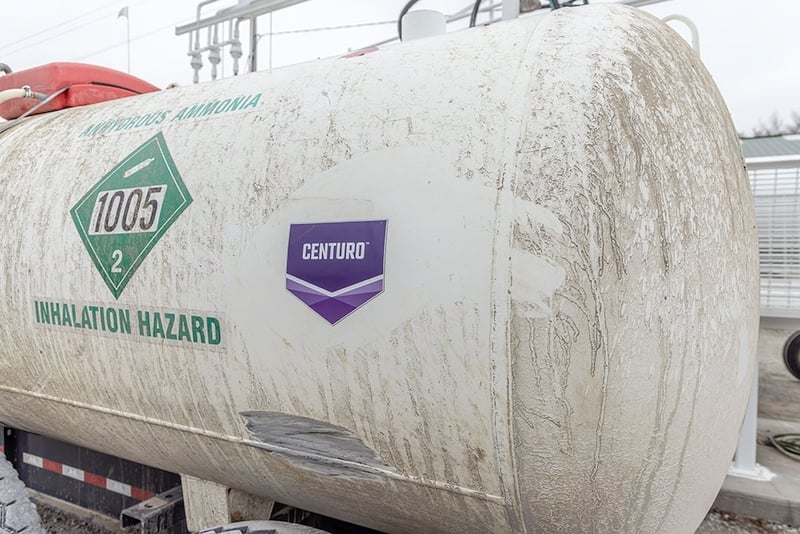
For anhydrous ammonia or preplant and sidedress UAN, below-ground loss is the primary concern. “CENTURO™ nitrogen stabilizer keeps nitrogen in the ammonium form longer, which improves soil retention and gives the crop more time to access it,” Hornaday says.
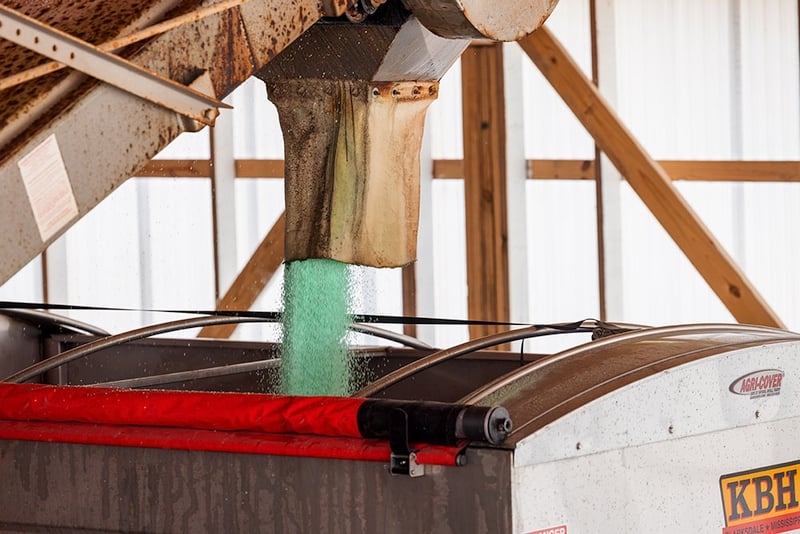
When growers want both above‑ and below‑ground protection in a single product, SUPERU™ premium fertilizer offers urease and nitrification inhibition in a ready‑to‑use granular fertilizer.
“No two fields have the same needs,” Hornaday says. “That is why we offer a portfolio of products. The goal is simple: keep more nitrogen available and help growers get the most out of every application.”