Carrie Vollmer-Sanders, Director of the Western Lake Erie Basin Project for The Nature Conservancy, was honored as a “Champion of Change” for her efforts to promote a healthy Lake Erie.
Many growers are questioning whether their soybeans need a fungicide seed treatment this spring, so here’s a list of six things to consider when deciding whether or not to treat soybeans.
American Seed Trade Association President & CEO Andrew W. LaVigne released a statement in response to Syngenta’s announcement of the limited release of Agrisure Duracade.
Endorsed by groups like the National Corn Growers Association and Agricultural Retailers Association, Phase II of The Guide provides customized resources for farmers, seed companies, pesticide safety educators and crop advisors.
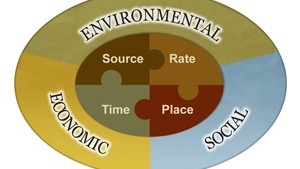
A new 4R Nutrient Stewardship Certification Program is encouraging ag retailers and other ag professionals in the Western Lake Erie Basin to adopt proven best practices through the 4Rs.
The extent and persistence of the dead zone problem over the years has sparked controversy, litigation, research, and now a possible solution: nutrient trading.
Last week 52 members of Congress urged EPA Administrator Gina McCarthy in a letter to acknowledge that the current ag worker protection standards are “limited” and “insufficient” to protect workers from the hazards of handling pesticides.
The independent entity formed by the Agricultural Retailers Association and The Fertilizer Institute will promote a culture of safety and security at the nation’s retail fertilizer outlets.
Ag retailers can share positive stories about stewardship and security at their location by participating in the DuPont Environmental Respect Awards program.
USDA NRCS, Ohio State Extension and IPM Institute will host a training event for CCAs to become Technical Service Providers qualified to write Nutrient Management Plans on February 25-26.
The annual conference will offer the latest information on conservation tillage including cover crops, no-till, soil quality, seeding technology, water quality and nutrient management.
The project, funded by a grant from the National Fish and Wildlife Foundation, provides for complete nutrient management plans that meet the needs of growers and ag retailers.
A unique approach to the Mississippi River Basin Healthy Watersheds Initiative could play a key role in improving the nation’s inland and coastal water quality.
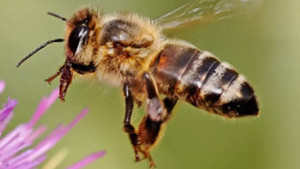
National Honey Bee Advisory Board and the Pollinator Stewardship Council have filed an appeal challenging the EPA for its approval of the pesticide Sulfoxaflor.
A new Conservation Effectiveness Assessment Project report for the Chesapeake Bay indicates producers have significantly increased conservation measures to improve and protect water quality.