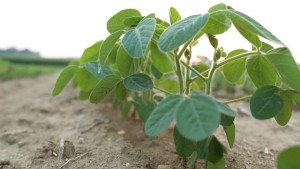
Researchers reveal how proteins secreted by spider mites can influence plant defense mechanisms.
Issues discussed included extending the 2017 Trump tax cuts and passing a new five-year farm bill.
AgTech companies must apply data and insights in a more surgical fashion – rather than a one-size-fits-all, says PowerPollen CEO Carl Cox.
Eric Sfiligoj and Lara Sowinski discuss Bayer’s recent look at the events in DC, the early outlook for planting, and the latest Precision Ag Adoption Survey effort.
Access to nationwide year-round E15 is a win for both consumers and farmers.
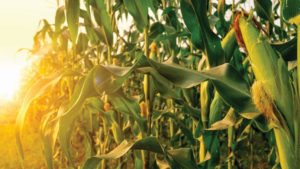
The seven ethanol plants in Ohio use 32% of the state’s corn yield, supporting over 19,700 jobs and 21,000 farms.
In the second installment on hiring, Ag1Source’s Mark Waschek outlines more methods for finding the right employee.
Building relationships, advocating for the industry, and educating members are a team sport for the associations representing agricultural interests.
Montgomery shows a deep commitment to advancing agricultural knowledge and supporting producers using science-based solutions.
The 2025 public policy priorities that will steer the association’s advocacy efforts with federal legislators and regulators on behalf of ag retailers.
Has someone you know made a significant impact through the advancement of ag tech? Submit your nomination today and celebrate those shaping the future of ag.
CropLife webinars are available on demand, making it convenient to access the content at any time, anywhere — and still earn CEUs.
The letter highlights the growing importance of diversifying the crops that American farmers grow, and the markets they access.
U.S. farmer sentiment continued its upward trend in February, according to the the Purdue University/CME Group Ag Economy Barometer.
Hopeful for non-tariff solutions to continue market access.
Eric Sfiligoj and Lara Sowinski report on the highlights from this year’s big trade show in Denver, CO.
The President’s action ensures that Canadian and Mexican imports of fertilizers meeting USMCA preference status will be subject to no duty.
Given that the U.S. sources over 85% of its potash from Canada, this exemption is crucial to prevent supply disruptions.
The Act would enable the USDA to establish programs aimed at boosting the production of Sustainable Aviation Fuel.