[youtube https://www.youtube.com/watch?v=1wskfOF8iXA]
In this CropLife Smart Tech interview, Stueve Construction CEO Jim Bishop shares how Project FAST, an autonomous fertilizer loader, could help ag retailers overcome labor shortages, improve accuracy, and boost efficiency.
(Can’t see the video? To view it, please accept cookies by clicking the icon in the bottom-right corner of the screen, or click here.)

Can Fertilizer Facilities Run Themselves?
Labor challenges continue to pressure ag retailers, particularly in rural markets where recruiting and retaining skilled employees remains difficult. Stueve Construction believes automation can help address that problem, and the company is taking a significant step forward with Project FAST, its patent-pending autonomous dry fertilizer loader.
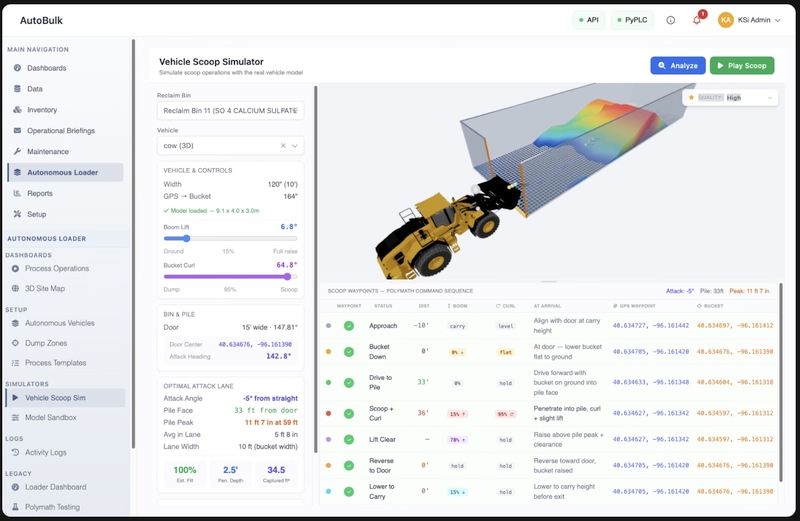
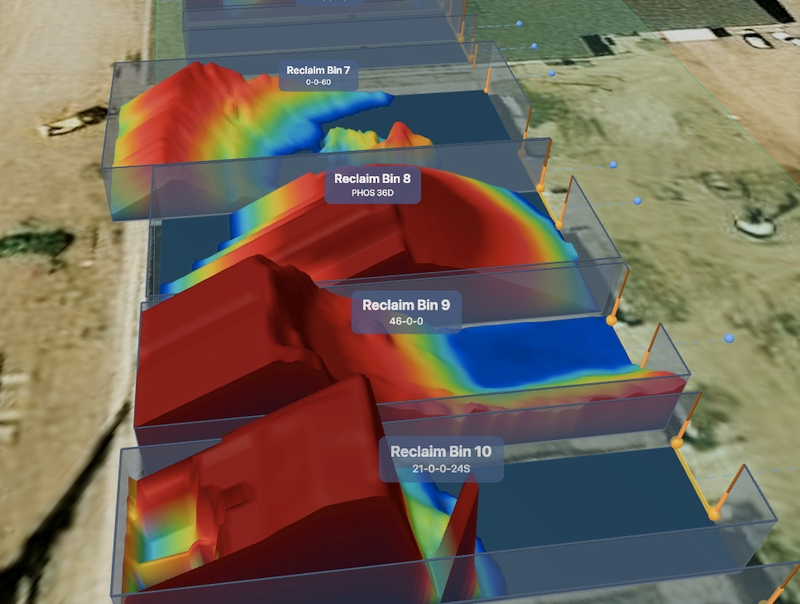
FAST, short for Fully Autonomous Smart Terminal, is designed to automate fertilizer handling inside dry fertilizer facilities. The system enables a payloader to scoop, transport, dump, and conduct inventory activities without operator intervention.
“Our ultimate goal is a terminal that can be operated without any staff,” says Jim Bishop, CEO of Stueve Construction. “Project FAST is an intermediate step where we’re programming the fixed control system with the loader so it can drive itself within the fertilizer facility.”
The project grew directly from conversations with customers. According to Bishop, labor shortages emerged as one of the most consistent concerns facing retailers. “The core problem that we have consistently heard in the industry from our clients is really around labor,” he says. “It’s particularly true in the ag industry in remote locations.”
 Improving Accuracy and Equipment Utilization
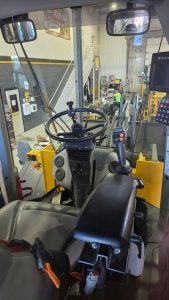
Beyond staffing challenges, Stueve sees opportunities to improve operational consistency. Automating fertilizer handling can reduce mistakes caused by distractions, turnover, and inexperienced employees. It also gives facilities greater flexibility by allowing equipment to operate beyond the limits of a traditional work shift. Notes Bishop, “It also helps us optimize the loader itself so that we can properly size it for the building.”
For retailers focused on throughput and efficiency, that could translate into better equipment utilization and more predictable operations.
From Customer Request to Commercial Product
While autonomous equipment may seem like a departure for a construction and engineering firm, Bishop views it as a natural extension of Stueve’s role in the fertilizer industry.
“A lot of our clients were saying, ‘When is somebody going to automate the dry loader in the fertilizer building?’” he explains. “We have the in-house team to solve this.”
The company recently filed for patent protection and is nearing completion of its first working prototype. Beta testing is expected to begin in the third quarter, with Stueve actively selecting five additional partner locations to expand the program beyond the initial installation.
“We’re expecting in early 2027 that the product will be complete and ready for a wider rollout,” Bishop says.
Innovation Pipeline Continues to Expand
Project FAST is only one part of a broader innovation strategy at Stueve. The company is already evaluating additional technologies and is looking for industry partners willing to collaborate on solving operational challenges.
As retailers explore ways to improve efficiency, manage labor constraints, and increase operational consistency, autonomous fertilizer handling may soon become a practical option rather than a future concept. With Project FAST entering beta testing, Stueve is positioning itself at the center of that transition.