Rethinking Sulfur and Multi-Nutrient Fertility

Sulfur deficiencies are showing up across a widening range of crops, and the shift has come quickly. Ryan Sanders, technical sales manager for ICL Growing Solutions, says the conversations he has with growers and retailers all point to the same trend. “We used to get sulfur for free from the atmosphere. Now we have to supplement our crops, because we’re seeing a fair amount of sulfur deficiency,” he explains.
A Slow-Release Sulfur Source That Helps Nitrogen Work Harder
ICL’s Polysulphate® provides sulfur — critical for efficient nitrate assimilation in plants — in a crop-available, gradual form. Sanders emphasizes that timing is important. “The slower release helps the corn plant absorb nitrogen, so it’s not about feeding more nitrogen. It’s about getting the most out of what we apply.” He also notes that the calcium and potassium in Polysulphate support a nutrient balance that lasts through the season.
Retailers also face pressure from tighter margins and shorter application windows. Sanders sees opportunity in efficiency. “One of the big things is to do more with less. Polysulphate fits well in blends and allows more nutrients to be applied in one pass.” He points to compatibility with potash, MAP, DAP, urea, and even ammonium sulfate. Nutrients work well as a team, and blends provide a broader nutrient profile with fewer trips across the field. “You’re able to maximize what comes out of the spreader and feed the crop throughout the season,” he says.
Lower Salt Load, Better Root Health
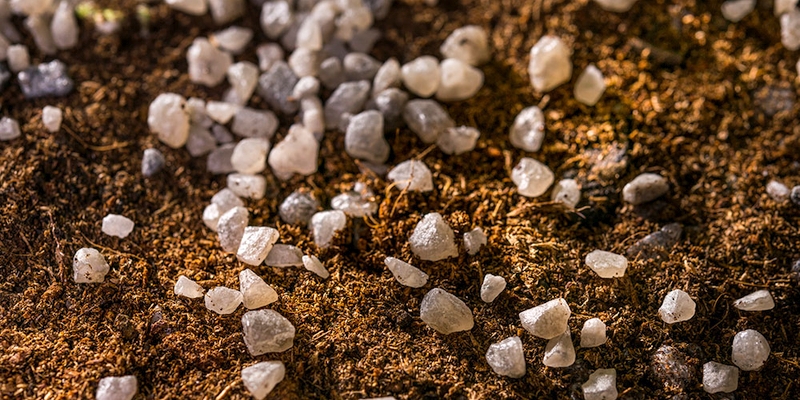
Many retailers stock traditional sulfur and potassium sources, but Sanders says Polysulphate changes the game. Most potassium products are potassium chloride, which adds to the salt load. “The form of potassium in Polysulphate is actually potassium sulfate,” he explains. The polyhalite mineral also contains calcium sulfate and magnesium sulfate, along with a small amount of boron.
Lowering chloride levels really makes a difference. “If we replace or supplement other materials, we reduce the salt load from potassium chloride. We take chloride out of the system. We’re able to see healthier roots and better plant growth,” Sanders says. Soil biology also benefits. “We’re feeding the crop, and we’re feeding a healthier soil environment.”
Why Efficiency is the Future
Fertilizer innovation is shifting toward better nutrient use efficiency rather than just higher volumes. Sanders explains that both economics and regulations influence this trend. Polysulphate doesn’t contain phosphorus, offering retailers flexibility in regions with phosphorus restrictions. “We can include it in blends at different times of the year. Fall or spring. It’s flexible,” he states.
Balance is the main theme. “When we can balance nutrients, we end up with a better performing and healthier crop,” Sanders says. High nitrogen alone will not fix imbalanced fertility. He compares multi-nutrient inputs to a basic daily routine. “A lot of us take a multivitamin. It helps a lot of things work better. That’s similar to what we’re doing with a multi-nutrient material like Polysulphate.”
Looking Ahead
Polysulphate provides retailers with an effective way to enhance nutrient balance, strengthen root systems, and simplify applications. As sulfur deficiencies grow more common and profit margins remain tight, sulfate-based multi-nutrient solutions that boost overall nutrient use efficiency are becoming essential tools for developing more resilient fertility programs.