

During the last week of February, the world of agriculture gathered in San Antonio, TX, to celebrate. Not only was the industry looking forward to a new growing season, but it was honoring the 30th anniversary of one of the premier trade shows for agriculture, the Commodity Classic. As always, CropLife Magazine was on hand with nearly its entire staff and here’s a brief overview of the five key takeaways we found at the 2026 show.

Commodity Classic 2026 drew nearly 12,000 attendees in San Antonio, marking continued post-COVID growth and a slight increase over 2025.

USDA Secretary Brooke Rollins addressed tight farm margins, pledged trade support, and unveiled the new “One Farmer, One File” paperwork reform initiative.

Spray drones and AI dominated Commodity Classic, with rising drone fungicide use and John Deere unveiling See & Spray Gen 2.
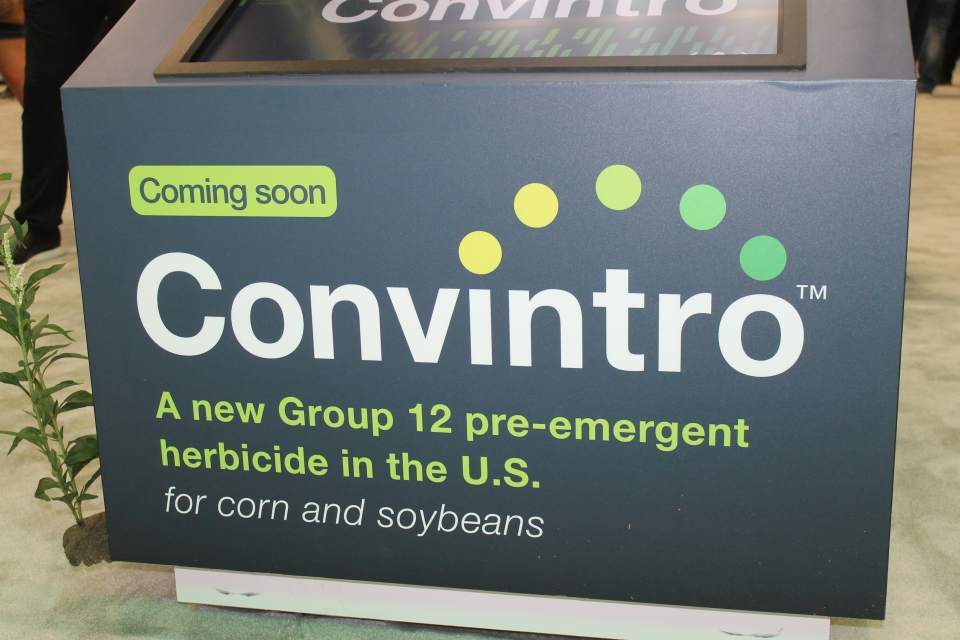
Weed resistance remains a global concern, but new herbicides from Valent, UPL, BASF, and Bayer aim to expand control options.
Rising fertilizer costs spotlighted nutrient efficiency, as Ostara and Tidal Grow showcased technologies improving phosphate and nitrogen performance in-field.
Attendance Stays Strong
Since taking a one-year hiatus during 2021 due to COVID, the Commodity Classic has come back with increasing attendance each and every subsequent year. The 2026 edition of the show was no exception. According to the show’s organizers, the 2026 Commodity Classic attracted almost 12,000 attendees to the Henry B. Gonzalez Convention Center over the course of its three days. By all accounts, this figure marked a slight improvement over the 2025 Commodity Classic, which was held in Denver, CO.
The Secretary of Agriculture Speaks
One of the highlights of any Commodity Classic is a keynote address from the acting Secretary of Agriculture. And this year was no exception. During the afternoon General Session on Thursday, February 26, Secretary of Ag Brooke Rollins addressed the Commodity Classic attendees.
In her talk, Rollins acknowledged how difficult the financial situation currently is for many of the nation’s growers, pointing out the double-digit cost increases for such things as crop inputs, labor, and fuel while commodity prices have remained stubbornly low. She promised that the Trump Administration is doing all it can to help open new trade markets for growers and provide some financial assistance to get through the tough times.
Rollins also announced the introduction of a new government program to ease the paperwork burden currently experienced by growers called One Farmer, One File.
“Every single day at USDA, our focus is on making life easier, more profitable, and more rewarding for the American farmer,” said Rollins. “This modernization of old, duplicative, wasteful systems has one goal in mind, improve our customer service so the people we serve are able to farm and feed America and the world. One Farmer, One File prevents our farmers from duplicating tasks while increases their productivity and time in the field.”
Technology Abounds
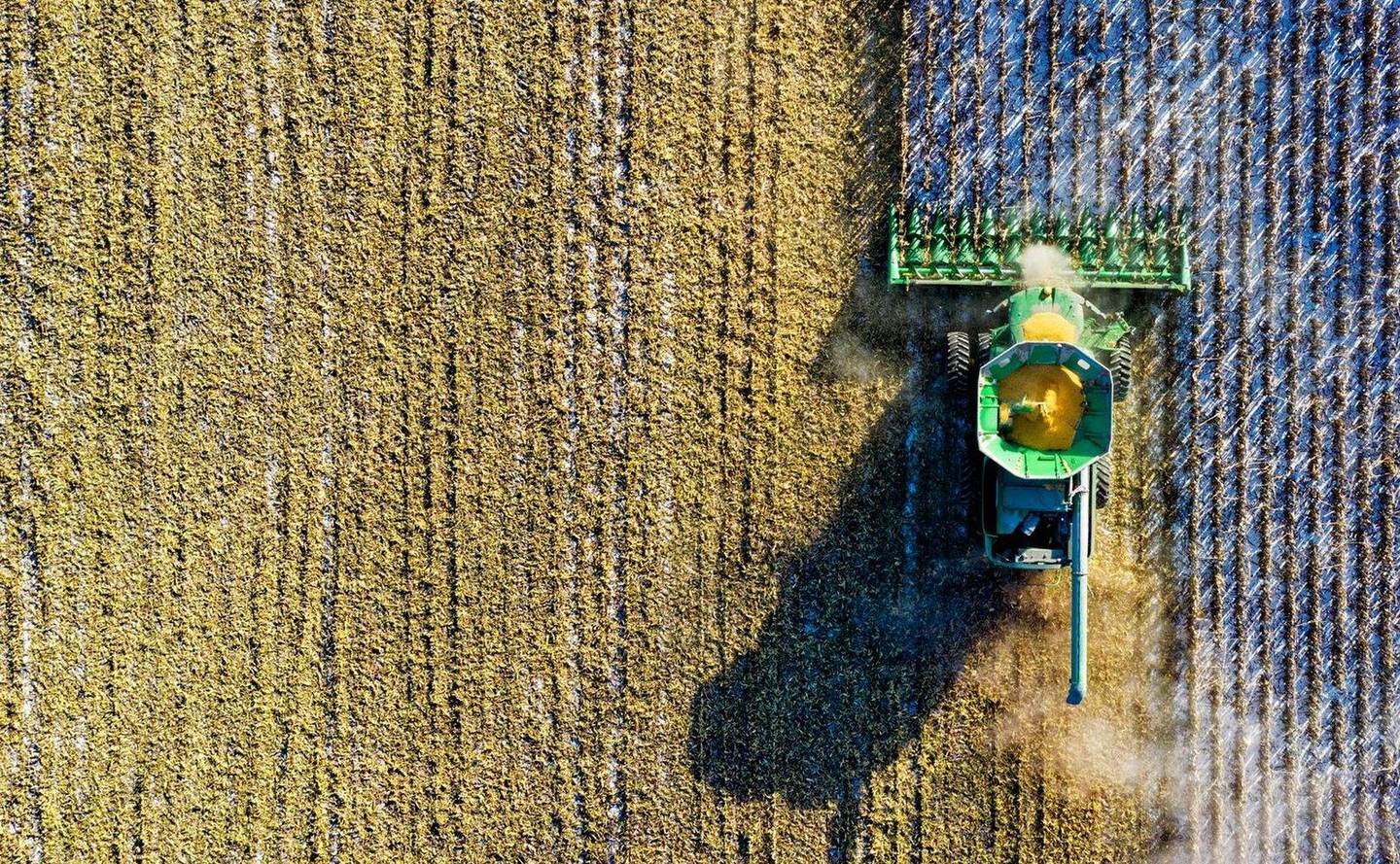
On the show floor of the 2026 Commodity Classic, several trends were evident based upon the mix of products featured by exhibitors. In particular, new ag technologies were plentiful. Down virtually every aisle were examples of spray drones, many featuring increased load capacities and longer battery life. According to some exhibitors, the percentage of drone applied fungicide during 2025 was in the 40% range, with many predicting this number would increase significantly during the 2026 growing season.
Another technology prevalent at the 2026 Commodity Classic was artificial intelligence (AI). Many companies highlighted these systems at their booths. This included John Deere, which debuted its new See & Spray Gen 2 system at the show.
“We will be offering the same number of cameras and processors with Gen 2 vs. the other See & Spray systems,” said Josh Ladd, Marketing Manager, Application Products. “This will be a more holistic approach to how the system can operate in the field.”
Weed Resistance Help Coming
As has been the case with past Commodity Classics, many folks at the event were looking at the ongoing problem of weed resistance. Based upon the most recent available data, there are between 250 and 300 resistant weed species currently documented around the globe. In the U.S., the most problematic weeds when it comes to resistance remain waterhemp and Palmer amaranth. However, exhibitors at the 2026 Commodity Classic also noted that weeds such as kochia and Italian rye grass have become more difficult to control in recent years.
Fortunately, there are many new herbicide options getting ready to enter the U.S. agricultural marketplace between now and 2027. This includes such brands as Rapidicil from Valent (with the active ingredient epyrifenacil), Intrava DX from UPL (with the active ingredient amicarbazone), Ridivex from BASF (a blend of dicamba, diflufenzopyr, and pyroxasulfone), and Convintro from Bayer (with the active ingredient diflufenican).
Better Crop Nutrition Utilization
Besides technology and weed resistance, another hot topic of conversation at the 2026 Commodity Classic centered around fertilizer. Specifically, as the costs for various crop nutrition products have increased in recent years, ag retailers and their grower-customers are looking to better utilize these macronutrients for the crops.
At the 2026 Commodity Classic, two companies highlighted products to aid fertilizer efficiency in crop fields. The first was Ostara, which featured its product CG P2X. According to Tom Snipes, CEO, the problem is many phosphate fertilizers are water soluble. “P2X is water insoluble,” said Snipes. “So, the only way it releases is in the presence of the root activity.”
The second company was Tidal Grow AgriScience, which focused on nitrogen efficiency. According to Trey Cutts, Vice President of Commercial Ag Science, the company’s alignN is powered by Tidal Grow’s align Technology for intelligent leaf delivery and designed to help improve nitrogen efficiency.
“With this technology, we are helping growers get the most out of their nitrogen program,” said Cutts. “It’s an effective, intelligent way to deliver nitrogen that ultimately improves crop performance.”