Fungicide Seed Treatments: Building a Strong Offense Against Early-Season Disease
 November 17, 2025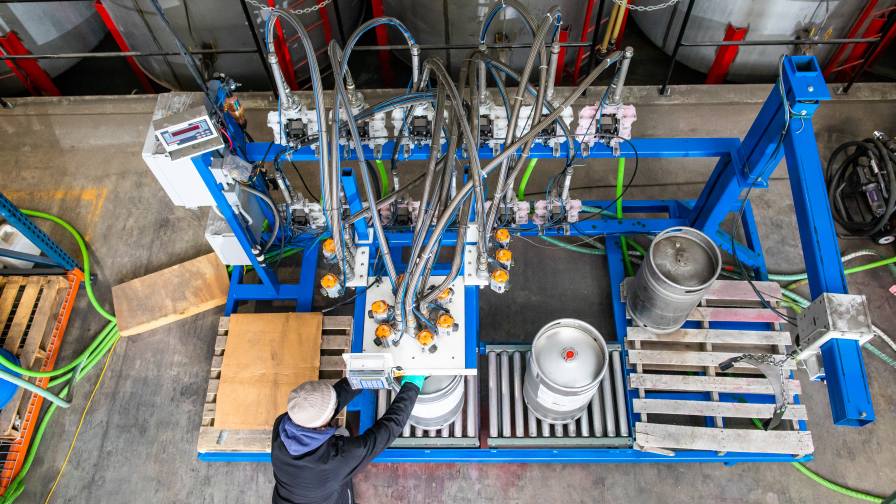
An employee filling kegs demonstrates the versatility of the STI Customized offering from CHS, blends of specific fungicides or insecticides can be created to offer niche solutions to regional areas, treating specific diseases and pests prone to crops in the location. Photos: CHS
In sports, as the adage goes, a good offense is the best defense. The same maxim applies to battling disease. That offense begins with fungicide seed treatments.
“The retailer is still the most influential factor in a farmer’s decision of what seed treatment goes on the seed,” says Isaac Effertz, Seed Applied Technologies Lead, CHS. “They are the conduit of most industry information because they have the most consistent contact with farmers.”
Brent Lackey, Head of Seedcare and Biologicals Product Marketing for Syngenta, agrees retailers play a critical role for seed treatments.
“Retailers continue to be trusted partners for growers seeking the most effective seed treatments,” he says. “As seed costs increase, planting rates decline, and the planting season gets earlier, growers’ reliance on retailer recommendations for, and application of, effective seed treatments continues to grow.”
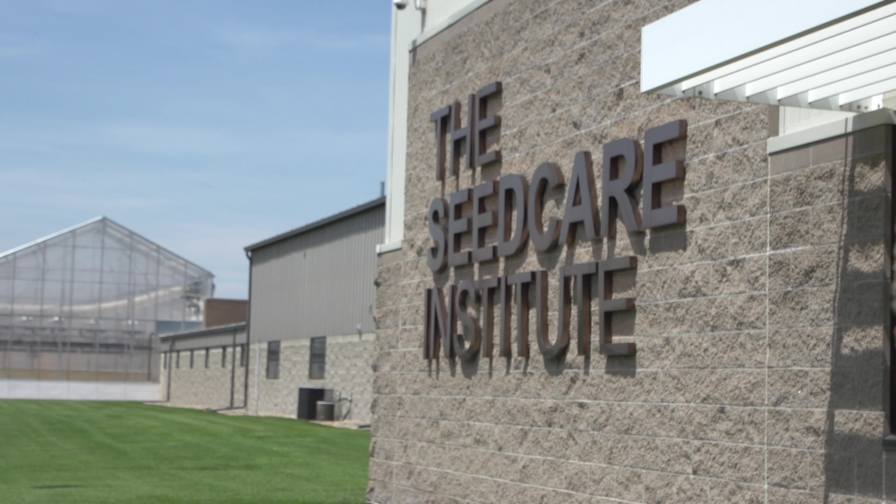
Syngenta Seedcare Institute in Stanton, MN.
Ensuring retailers have the most up-to-date information regarding the seed treatments what they can do, the effects they will have on the crop and on the surrounding environment is tied to their future success.
“As in most chemical industries, new active ingredients are slow to come into the market. It’s important that we maintain the balance of protecting the current active ingredients we have to offer while providing strong agronomic practices,” CHS’ Effertz says. “Commodity pricing tends to make farmers cut costs which usually includes seed treatments, but there is still a positive return on treating seed.”
New offerings, along with application equipment affordability, provide retailers and their grower-customers additional solutions, and create additional regions to market products.
Market Drivers
“The fungicide seed treatment market stayed consistent to years past,” says Effertz. “Low commodity prices made insecticide or nematicide seed treatment applications put under price examination, but overall fungicide seed treatments stayed consistent to years prior.
“Our expectations are similar to 2025 where commodity pricing will drive cost effective changes, but retailers with prior knowledge and experience with seed treatments will continue to find value to treating the seed,” Effertz continues.
That experienced retailer is key as fungus diseases are, in large part, weather and region dependent.
Improved Science
Manufacturers are finding ways to improve their offerings.
“New additional active ingredients added to foliar fungicides are making their way down to the seed treatment level,” Effertz says. “It has given more options to retailers and farmers to protect against both the seedling diseases and the water mold diseases.
Some diseases are fairly growers are familiar with. They also know that there is often another problem lurking just under the surface.
According to Syngenta’s Lackey: “The opportunity for growers to address these challenges with a state-of-the-art seed treatment is significant.”
Subscribe Today For
