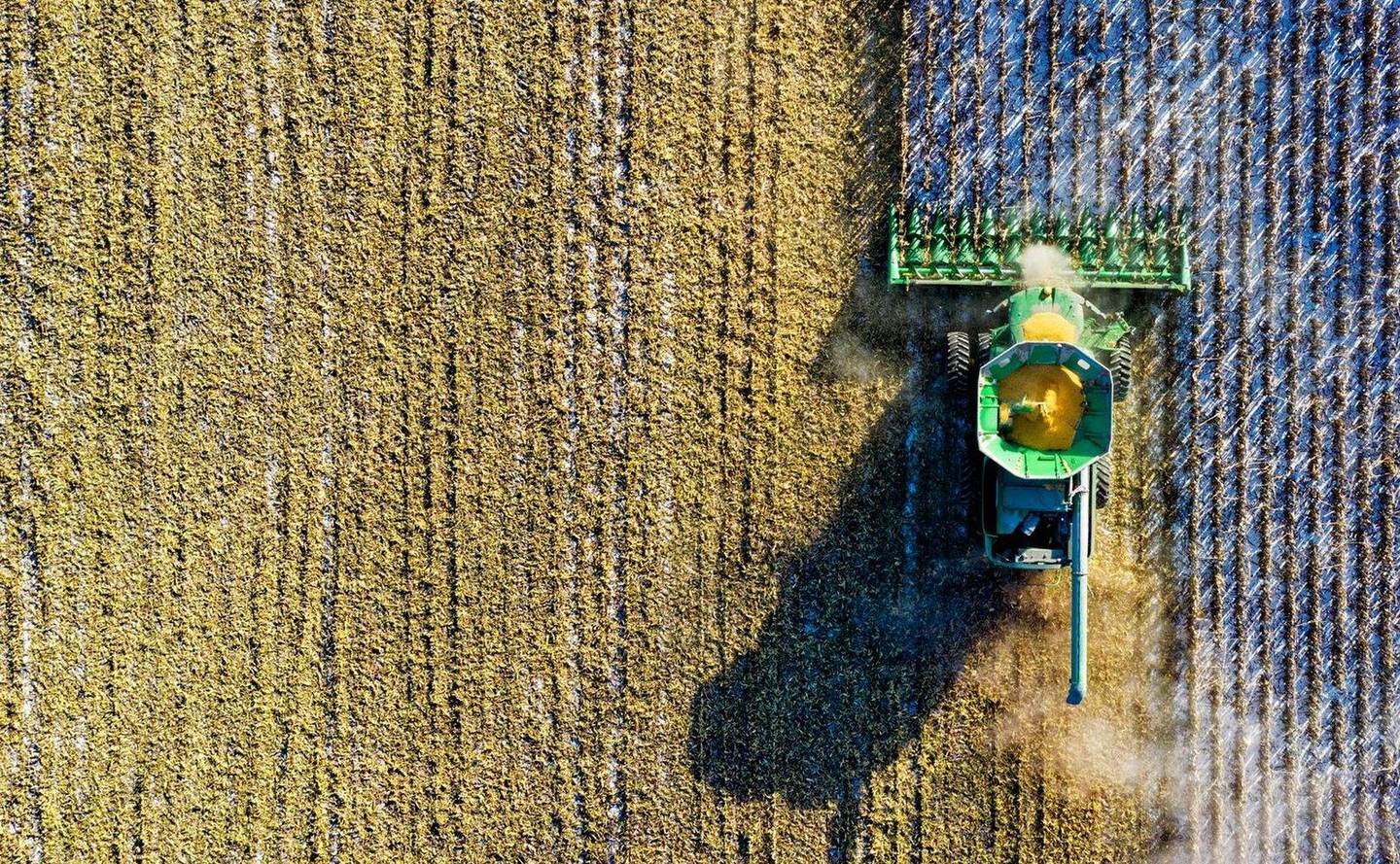

The four essentials of farming: Seed, soil, water, and technology.
For those whose understanding farming is a weekly trip to the grocery store, that last item might not seem essential. Whether its weeds, insects, disease, regulations, or weather every passing year, the need for technology grows stronger and provides farmers a deeper understanding of the tools of the trade. Scouting tools are high on that list.
“Reflecting on the past few years, growers have been more willing to try new technologies and tools when commodity prices have been favorable, and risk has been low,” says Tryston Beyrer, Crop Nutrition Lead, The Mosaic Co. “Many growers may have implemented the ‘easy button’ and treated many of their acres the same; however, in more challenging times ahead this is when technology should be embraced to bring greater ROI to each acre on their operation. There are more apps and connectivity between platforms has improved but still has significant opportunity for improvement.”
Despite the promise, Agworld’s Scott Cogdill, Director of Business Development, Almanac, believes the market is going through a contraction.
“The scouting tools market has declined significantly, with far fewer options available today than just five years ago,” he says. “This contraction is largely due to disconnected, cumbersome tools that failed to deliver actionable insights and didn’t endure. Many of these tools prioritized seemingly innovative features that didn’t translate into efficient workflows or meaningful integrations. In contrast, scouting tools that are efficient, intuitive, and connected to a broader ecosystem have proven resilient. Scouting is just one of many workflows that support decision-making throughout the growing season, and tools that integrate seamlessly into this larger process have had lasting success.”
Changes to how the tools work can lead to that success.
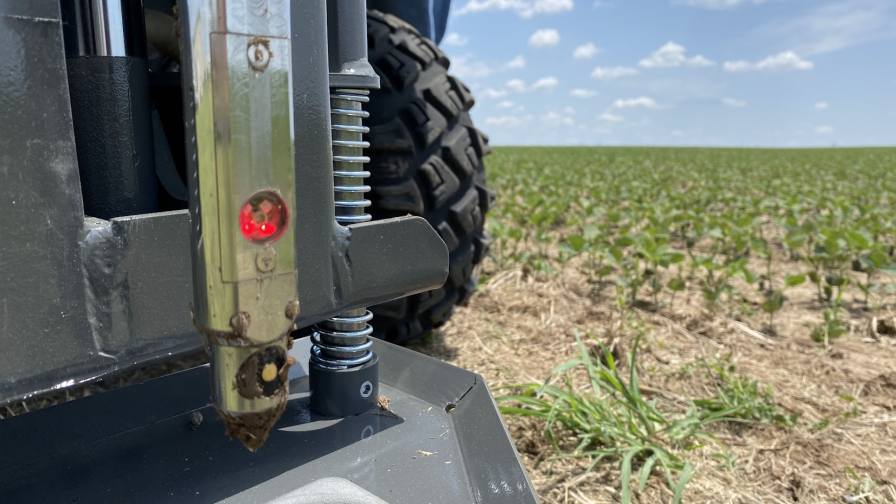
“The industry push toward climate-smart agriculture and carbon management is opening up major opportunities for scouting tools,” says Tyler Lund, Vice President, Business Development, Veris Technologies, Inc. “Farmers need to be cautious about carbon programs that don’t use intensive sensing and sampling protocols.”
Given their growing popularity, it’s not surprising a variety of companies offer scouting tools.
“There are a lot of new players in this space that are looking at new ways to improve scouting,” says WinField United’s, Director of Crop Protection, Tom Fry. “The bottom line is that regardless of the approach a retailer or farmer uses in scouting, some type of scouting is always better than not scouting at all. Scouting is critical in maximizing a farmers’ return on investment and assisting them to address the timing of application and crop input product selection throughout the growing season.”
With multiple players there are some concerns.
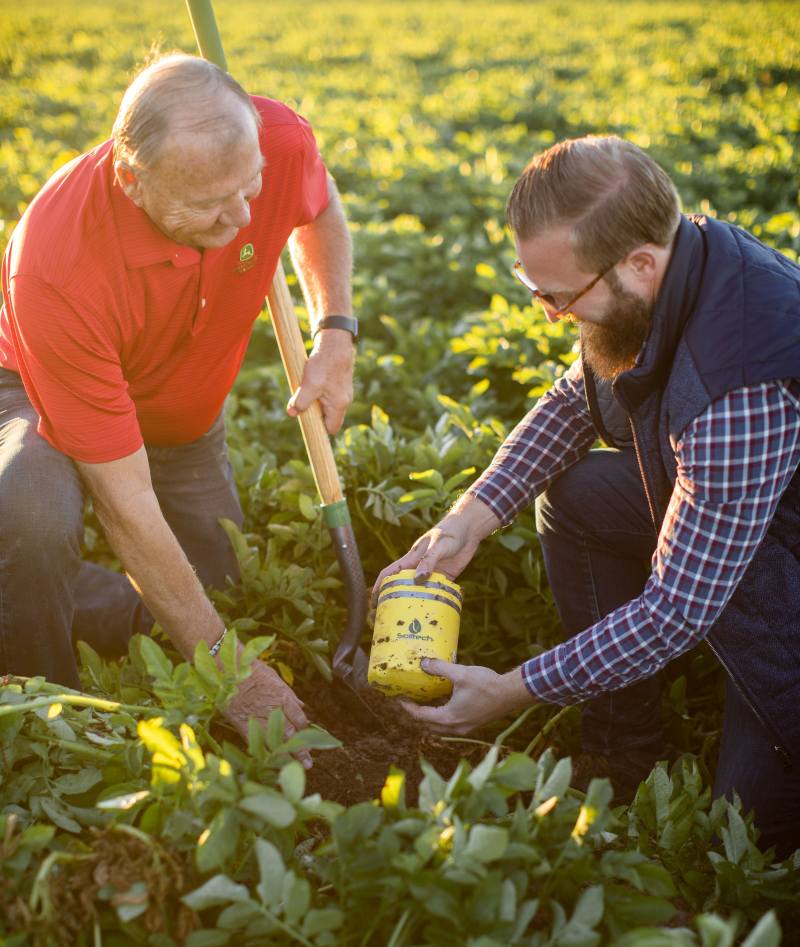
“Most systems are isolated and exist within their own platform and do not allow for integration or only allow for data layers from sources that are not ground truthed to the field or storage location,” says Ehsan Soltan, Founder and CEO of Soiltech Wireless. “Soiltech offers the ability to pool data from multiple sources and to push out data from the Signal platform, via API, to other systems seamlessly.”
Advances as the tool have become, the human factor will continue to be the most important role.
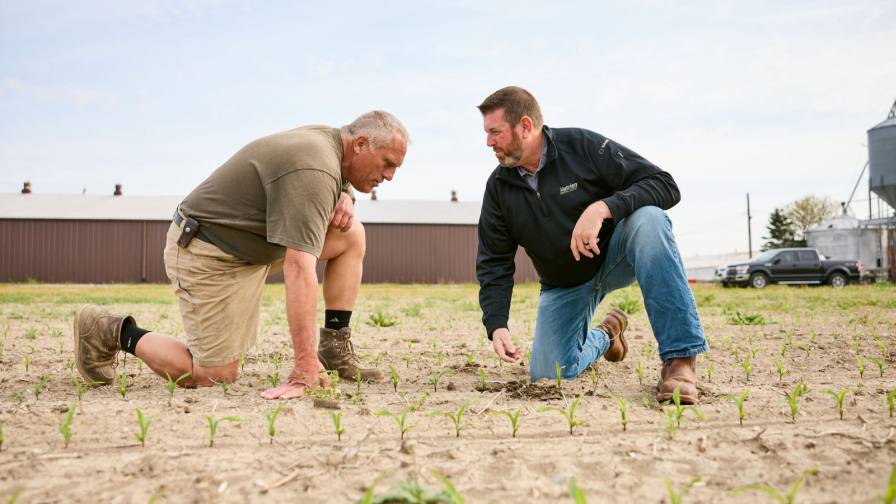
“Scouting will always be based on the need to walk fields and observe what is going on throughout the growing season,” says WinField’s Fry. “An agronomist still relies on their eyes, their agronomic knowledge, a pocketknife, a spade and a soil probe as critical tools for crop scouting. But there are new tools that are changing the speed with which scouting is shared and new tools that can augment field visits. The biggest change recently is the use of technology and software that enables the agronomist to send what they observed via text or email to the grower immediately following a scouting trip.”
Evolution
“The role of crop scouting tools has evolved from manual fieldwork with pen and paper to advanced, automated digital solutions driven by AI (artificial intelligence) and high-resolution imagery,” says Aman Anand, Senior Manager, Retail Partnerships at Nutrien Ag Solutions. “The journey from manual fieldwork-based scouting to directive scouting with the help of satellite-based imagery provided a range of data that enhanced our understanding of multiple areas of agricultural operation, ranging from disease and pest detection to yield prediction.”
Scouting tools help growers explore a variety of yield limiting pests, they employ it with a variety of methods.
“New technologies include high-resolution photography, satellites, drones, robotics, and software that can combine multiple sources of data into a more complete picture of what’s going on in a field during the growing season,” WinField’s Fry says. “New startups are focused on bringing greater insights and efficiencies to scouting technology.”
One way they help is giving growers the ability to see more of their field than ever before.
“The first big thing is that scouting tools like high-resolution imagery make it possible to look at every square foot of a field, compared to looking at what we thought were representative areas,” says Keith Byerly, Commercial Sustainability Lead, The Mosaic Co. “Things like nutrient deficiencies in a crop can be triggered by very small changes in soil pH, compaction, or other nutrient availability. Being able to have a complete picture of the field is a great first step.
“Twenty years ago, I kept several books in the pickup when I was scout-ing to identify a weed, an insect, or a crop nutrient deficiency that I saw when I was in the field,” Byerly continues. “Today, with my phone I can use an app to identify those same items as I stand in the field. With better cameras, sensors, and programming, the UAV that is flying a pattern on my field weekly is identifying those same issues from above. Even beyond that, sensor platforms can identify stress in my plant before the naked eye can, and using models anticipate what is to come. Identifying nutrient deficiencies before they can be seen might give the grower time to correct the deficiency before it reduces yield.”
Scouting tools have gone beyond identifying the problems. Today, they also lead to solutions.
“Farmers are asking for solutions, not just red flags,” says Veris’ Lund. “They want tools that diagnose the ‘why’ behind field issues and, importantly, how to tackle them. This shift means scouting technology has to answer those questions clearly and directly.”
Drivers
“The increasing focus on soil health, carbon sequestration, and sustainable farming practices are key trends influencing the scouting tools market,” Lund says. “Growers and agronomists are beginning to look below the surface to identify yield limiting factors. We’re now exploring what in the rooting profile is holding us back.”
Like many new tools, technology is one of the first things sacrificed when money grows tight.
“In 2024, low commodity prices made profitability a key concern for growers, increasing demand for cost-effective solutions,” says Paul Bonnett, Senior Director, Agronomy and Environmental Sciences at Nutrien Ag Solutions. “Personalization and the ability to review data from years ago is one advantage.”
“Two trends are leveraging historical data and customizing workflows,” Agworld’s Cogdill says. “While these concepts can take many forms, they range from displaying summaries of past events in real time while scouting to offering multi-year field history. Workflow customization will have a particularly significant impact. Anyone who has scouted with digital tools understands the inefficiencies of a one’size-fits-all approach when recording observations in the field. Allowing retailers to create region-and season-specific attributes and workflows can make a meaningful difference for their organizations and grower-customers.”
Grey Montgomery, General Man-ager, Agriculture for DTN, suggests two additional drivers: “There are many platforms, sensors, and datasets available to farmers, but it is difficult to find a solution that can integrate the data in a way that a grower can access and use to make decisions with,” he says. “The trend of IoT (internet of things)/remote sensing will continue to improve in the market.
“Sustainability reporting is another trend that will drive innovation in scouting tools,” he says. “This trend is being accelerated by the USDA with their Partnerships for Climate Smart Commodities programs, of which DTN was a recipient, as part of the Farmers for Soil Health Climate-Smart Commodities Partnership. Over the next 12 months, we expect to develop more ties between DTN sustainability products and DTN Agronomy.”
Despite the technology leaps, more are likely to come.
“We’re likely to see more farmers incorporating a new tool called the CoreScan, a new scouting and sampling tool that allows farmers to understand critical soil properties such as compaction, nutrient dynamics, carbon content, and texture at 1 cm intervals through the profile,” Veris’ Lund says.