4 Keys To Fertilizer Safety
 October 15, 2008
 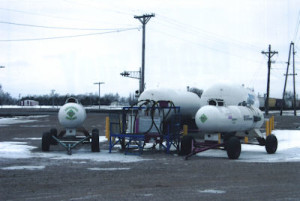 Here are four keys to fertilizer safety, as well as several photos taken at various dealerships around the country that illustrate a thorough understanding of dealership security and safety when it comes to fertilizer.
Key Points To Consider
A. Outdoor tanks should be diked for maximum safety. Anhydrous ammonia tanks should be clearly marked, kept clean and in good repair, and regularly painted.
B. To prevent unnecessary spillage or loss, dry fertilizer product loading equipment should include some kind of cover or hood.
C. For maximum protection, dry fertilizer storage facilities should include such features as heated floors and dedicated bins. Conveying systems should be regularly inspected.
D. Tanks should have venting systems in place. Even so, when tanks are being worked on, employees should be certain to wear protective clothing and proper gear.
Subscribe Today For
