
So many things are going on in the industry, and so many more changes are on the horizon. As a result, the question of “what will retail look like in the future?” has been a common topic of conversation across the board.
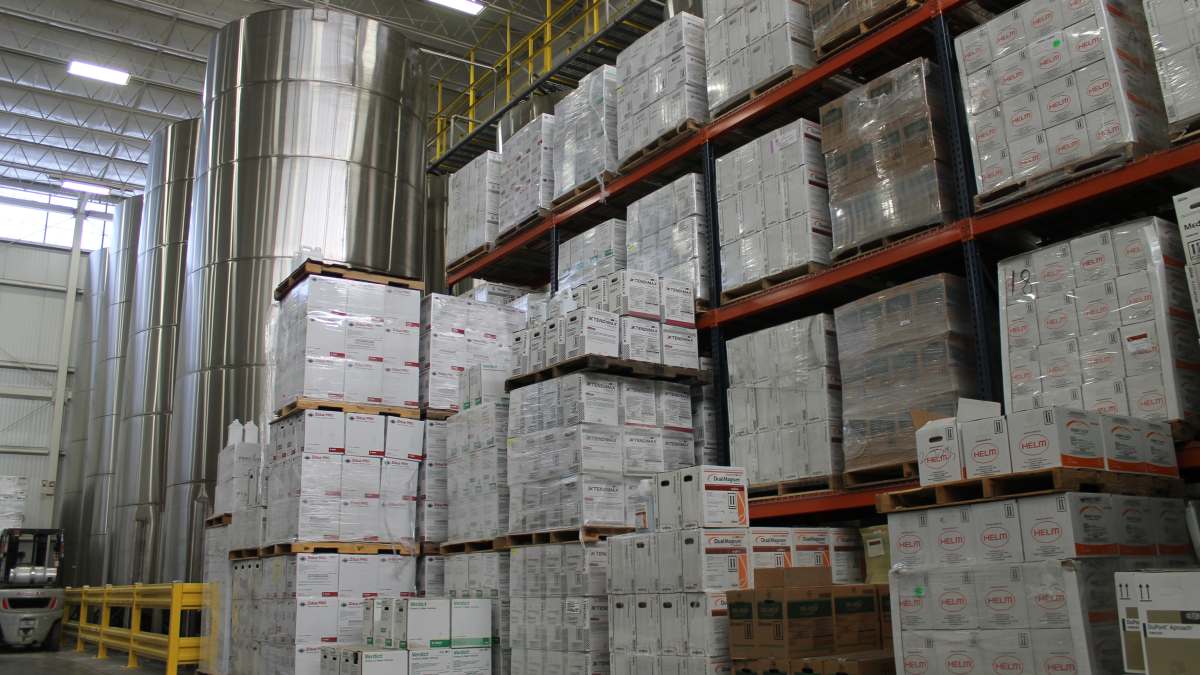
Let’s start with a basic tenet — the standard retail business model. The typical retail business model has historically been and has become much more of a product-volume business, or the proverbial “pounds on the ground.”
We look at volume for a few reasons:
- Sales, margins and overall revenue.
- Volume discounts.
- Programs and rebates.
When I started working at an ag retail location in Michigan in 1992, the first thing my boss told me was that I needed to decide on which two chemical companies I was going to primarily support so that we could maximize the volumes and the programs. I was also told to choose a primary seed company, aside from our corporate-branded seed, for the same reasons. The goal was to maximize volume to earn the best discounts and rebates.
But when we look at the volume-based business model, what’s going to happen with the new technologies that are and have been coming into the marketplace?
For example, consider green-on-green sprayer technology. I have read and heard that these systems are supposed to save between 50% and 60% on chemical costs. I don’t believe that it will be this much, but I do think we could achieve 30% to 40% savings. In some instances, maybe 50%.
So, this brings up several questions: What does that do to our sales volumes and overall revenue? What does that do to our discounts? What does that do to our rebates?
Ultimately, how will retail change that business model to adjust or make up for that lost revenue? Perhaps some of the old tried-and-true services — soil sampling, recommendations, scouting, data management, and analysis — could once again become the cornerstone of the business. But new services — drone work and servicing, artificial intelligence (AI) analysis, IT support, and on-farm connectivity — could also be part of the mix.
Now let’s look at the organizational structure.
We are starting to see these same conversations take place for ag retailers. Retailers have been getting bigger, with IT business becoming a given. But how should a retailer provide tech support to their customers?
What kind of support are you providing your customers when it comes to technologies provided through your products and services? Are you providing IT support when the data and information don’t flow correctly? Do you have a data analyst on staff when the customer wants to dig deeper into trends, limiting factors, product performance, and overall results? Are you looking for an AI specialist to serve your customers’ operations as well as your own staff?
What about an engineer on staff to enable infrastructure in those operations?
These are just a few thoughts. The key point is that you will need to re-evaluate your staffing needs as these technologies become more prevalent.
So, what’s the play? Tech critics say that AI will take jobs from humans. However, those who embrace AI and technology tools see opportunities abound.
Which perspective will you take? Will you participate and reap the potential benefits? Or will you watch the progression from the sidelines? This will be one of the most important decisions for ag retailers to make going forward.