
Doug Toussaint’s field was in critical condition — and he was the one killing it, reports Dan Gunderson on MPRNews.
The clay soil in the Red River valley an hour south of Fargo was compacted. He tried a form of extra-deep plowing known as ripping, but it only made the problem worse.
For two straight years, the field was too soggy for planting because the soil couldn’t absorb rainfall.
He turned to North Dakota State University soil expert Abbey Wick, who quickly saw the problem: short-duration crops planted year after year with “nowhere for the water to go.”
The cure? Give the land a break. Don’t plow it.
Turning the soil over breaks it down and reduces organic matter — decaying plants that feed bacteria, fungi and other microbes — that help prevent compaction and let water move through the soil.
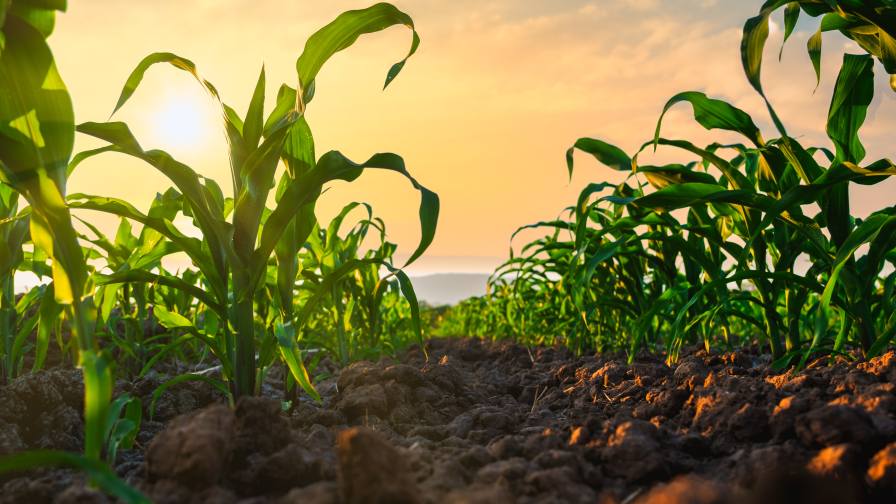
This year Toussaint’s field looks very different. He planted a cover crop last fall. Grasslike spears of rye are thick and green between rows of soybeans.
Despite those benefits, observers say it remains hard to convince farmers to leave behind traditional tillage. No-till practices are used on less than .05 percent of Minnesota farm fields, according to the U.S. Department of Agriculture’s 2012 census; reduced tillage happens only about 30 percent of fields.
“It’s a way of life, it’s a culture, it’s something that you do,” Wick said of tilling the soil. “To stop doing that and to sit back at the shop while everybody else is out tilling is really tough for a guy to do.”