Despite what regular readers of my column might think, I’m generally a very positive guy. Usually whenever I’m looking at an issue or topic closely, I tend to view it as if I’m seeing a half-full glass of water, rather than viewing it as an equally valid half-empty one.
Of course, the trick to this method is simple — I initially expect to find the glass completely empty when I start looking at it. Going into any scenario with this philosophy in tow, finding a half-full glass instead of an empty one typically improves my overall outlook.
This brings me to the theme of this copy of CropLife®, our annual Outlook issue. Normally, once our staff has compiled information for this issue, I have a pretty good idea of how the year ahead will ultimately play out for the ag retail market, either for better or for worse. Armed with this data, I can almost always half-fill my metaphoric glass of water without too much trouble, looking at the positive facts to slightly outweigh the negative ones.
For 2008, however, I must admit to being a bit confused. The positive facts seems to be running dead even with the negative ones in terms of overall market weight, leaving my outlook glass of water at just plain old half.
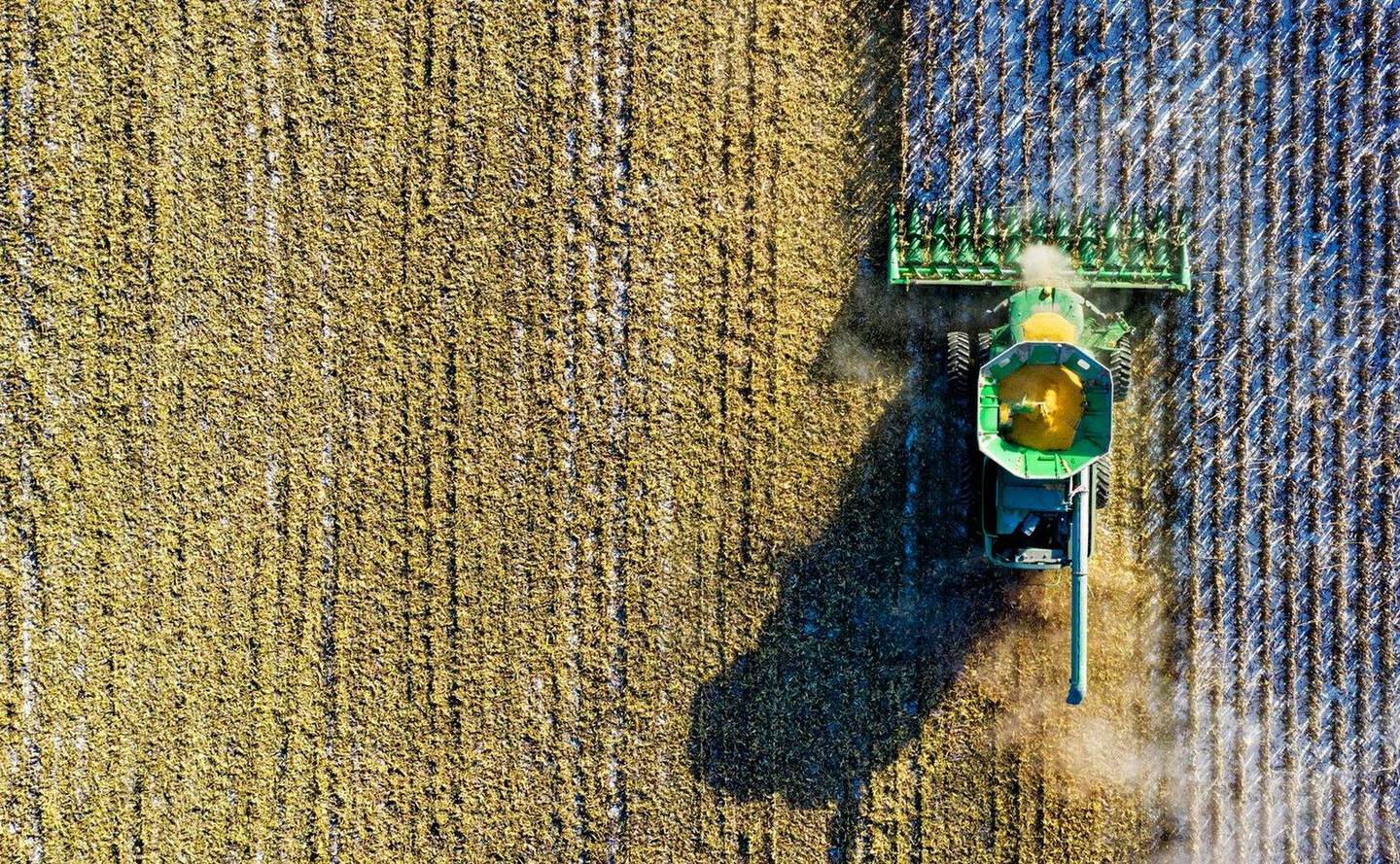
First, there’s the expected crop mix. Going into 2007, everyone knew that increased corn acreage to feed ethanol growth was going to largely drive the market to profitability. The final numbers were astounding — 93.6 million acres of corn were planted, up more than 12 million acres from the 2006 totals (and double what analysts predicted going into the year). This fact alone filled my 2007 Outlook glass of water to overflow.
But this year, market watchers forecast that corn acreage will decline, with most estimates placing it at 88 million acres. Instead, growers are expected to plant more soybeans and wheat, with each increasing approximately 4 million acres. Looking at the glass half-empty, this will probably mean less fertilizer and custom application opportunities than in 2007.
On the half-full side of the equation, more soybeans and wheat could open the door for increased fungicide and seed sales in 2008 for retailers.
Half-empty, the general economy seems to be slowing. Because of the mortgage crisis and rising fuel prices, economists are predicting the U.S. could experience a recession in 2008.
But half-full, net grower income increased to a record $87.5 billion in 2007. According to market observers, cash receipts for corn increased 44%. Likewise, wheat receipts grew 33% and soybean receipts were up 15%. This should keep spending up.
With these overall market indicators at a push, I’m forced to look to my own historic forecaster as a tiebreaker — the weight of the Kirby Thanksgiving turkey. As I explained last year, bigger turkeys from my father’s former employer (20 pounds and over) generally mean recession; smaller turkeys mean economic boom times. In 2006, the turkey weighed in at 17 pounds — and 2007 turned out well for the industry.
This past November, the Kirby turkey weighed 19 pounds — close enough to that troubling 20-pound figure to have me worried going forward.
So in the end, I can definitely say that the 2008 Outlook glass is 50% water. But I’m not sure if that means it’s half-full or half-empty just yet.