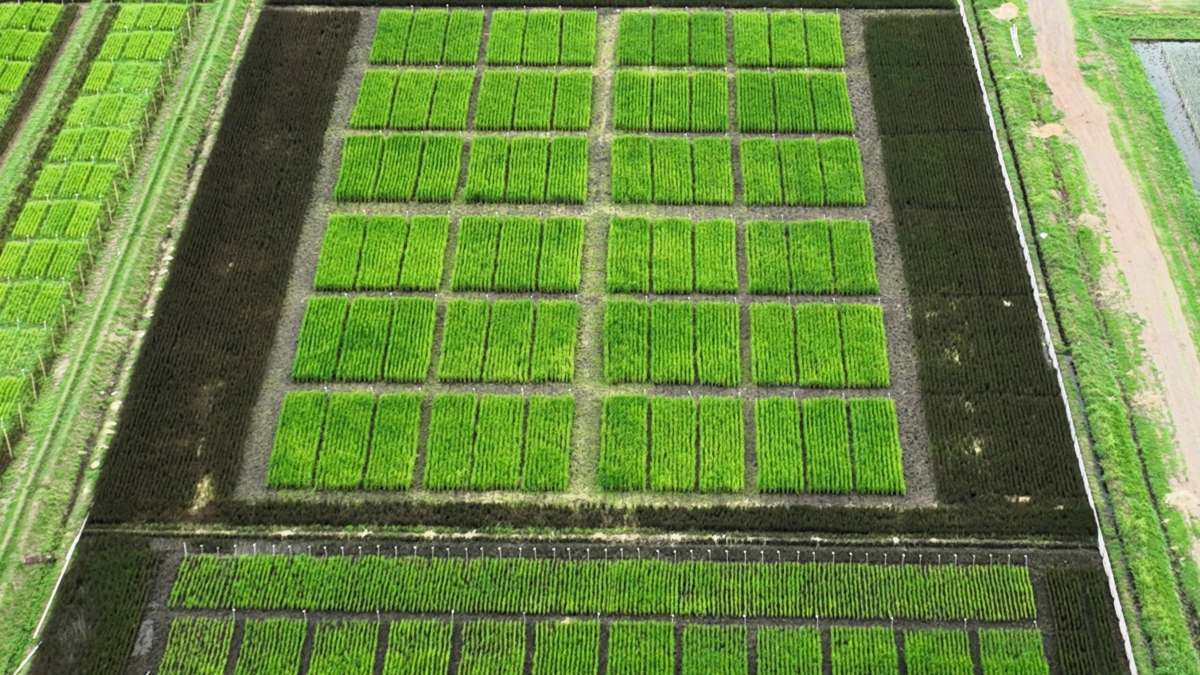

A hybrid in a nearby test plot caught your eye. It took the season’s challenges in stride and finished with strong yields. Should you consider it for your next seed order?
Absolutely. But before you add it to your list, you need more information.
Think of test plots as a tool that can help provide part of the answer rather than a definitive solution, says Mustang Seeds Field Agronomist Brian Ternus. He shares some of the best ways to use crop plot data to make more informed seed decisions.
Don’t Put Too Much Faith Into Individual Test Plot Results
Farm test plots aren’t research plots with lots of replications and checks. There’s variation from field to field and from farmer to farmer, and that can impact performance.
“Any product can do great in one plot if it happens to be well adapted to that particular field or season,” Ternus says. Different seasons bring different winners.
Getting a handle on whether that prowess reflects the situation or consistency requires a data set that goes beyond a single field.
“The real value comes from looking at test plot results as a whole grouping,” says Ternus, adding “there’s power in the numbers.” Together, they can start to give you a good idea of which hybrids will float to the top.
“Seeking consistent performance across plots gets you those hybrids or varieties that can handle the range of conditions we face in the Upper Midwest,” Ternus says. “If you’re strictly looking at the high yielder from one plot, you might find it thrived in current conditions but was unable to handle a shift in weather the next season.”
Certainly, there might be times when you’re seeking a top performer for productive acres or know you need to cut some inputs and need seed with higher stress tolerance. But it’s generally best to look for performance consistency across fields and years (if applicable).
For Ternus, that means choosing corn and soybean seed with yields that regularly rank in the top quarter across several farming plots.
Spread Risk by Planting a Variety of Seed
Ternus encourages farmers to plant several hybrids or varieties across their acres, which diversifies genetics and better spreads risk.
“You never know what you’re going to get for weather or disease pressures, and your seed choices need to account for that,” Ternus says. Planting a diverse mix of corn and soybean products can help farmers prepare for those unknowns.
This was a dry season for eastern South Dakota and southwest Minnesota. “Corn and soybean seed that handle drought stress well floated to the top,” Ternus says. “Last year, we had high disease pressure so seed with higher disease tolerances or with higher responses to fungicide applications tended to do best.”
As a result, Ternus says 52G02 is looking great in this year’s test plots, but the season prior it was limited by southern rust. In 2025, 58M01 handled disease pressures well and stood out in harvest test plots.
Ask Questions
If you’re interested in seed from a field trial, Ternus recommends asking questions to gain a deeper understanding of the plot and the performance of the seed planted to it. Those might include:
- What’s the soil type of the farm test plot?
- How did the growing season play out for this field? (e.g., did it catch rains others missed?)
- Was fungicide applied?
- What planting rotation is used in the field?
- Were any additional traits used?
Next up, Ternus advises questioning an agronomist, seed dealer or DSM who has likely seen the product elsewhere. Questions like these can help:
- Was there a specific thing in the plot that helped the product perform well?
- Is this product showing well across the area?
- How does it perform under conditions different from what we saw this season?
If the product is a year or two old, find out how it performed in actual growers’ fields. Sometimes, differences in shading in field test plot environments can impact performance.
Deepen Product Understanding to Improve Management
A test plot’s value doesn’t end with product selection. They also help agronomists and the growers they serve get a better handle on their characteristics and how to optimize management.
“If you know a hybrid is more susceptible to stalk rot, you can manage for it and harvest it a bit earlier,” Ternus offers as an example. The better growers know their seed, the more prepared they are to optimize their crops’ yields.
For Ternus, these farm plots help him offer better recommendations for meeting customers’ goals and they equip him with perspective on how they handle other regions or environments. In short, it makes him a stronger partner for the growers he serves.