Making Signage Work For You
 November 3, 2011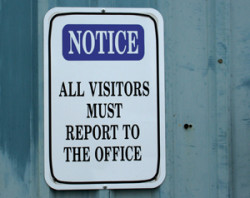
For most retailer outlets, the use of signs to convey messages to employees and visitors is commonplace. Visiting your average dealership, you are likely to find dozens of signs posted around the facility grounds. These provide information, warn of dangerous products, and help employees in distress find relief, to name a few functions. Here are four key points to consider when posting signage at your dealership.
- Signs telling visitors where to report should be visible at all entrances. In addition, no trespassing signs should be clearly posted at entrances and on fences.
- So that employees and emergency personnel know how to contact the appropriate company representative, contact names, and number signs should appear on building at the outlet.
- Signs providing information on products, safety procedures, and general warnings of danger should be placed in all areas that are deemed appropriate.
- First aid signs, along with emergency kits, eye washes, and safety showers, should be clearly marked and visible in any facility structure where they are considered necessary. This same “clearly visible” rule should apply to any such items that are located outside of outlet structures such as in the loading/unloading dock area.
0
1
5
Making Signage Work For You
Subscribe Today For
